
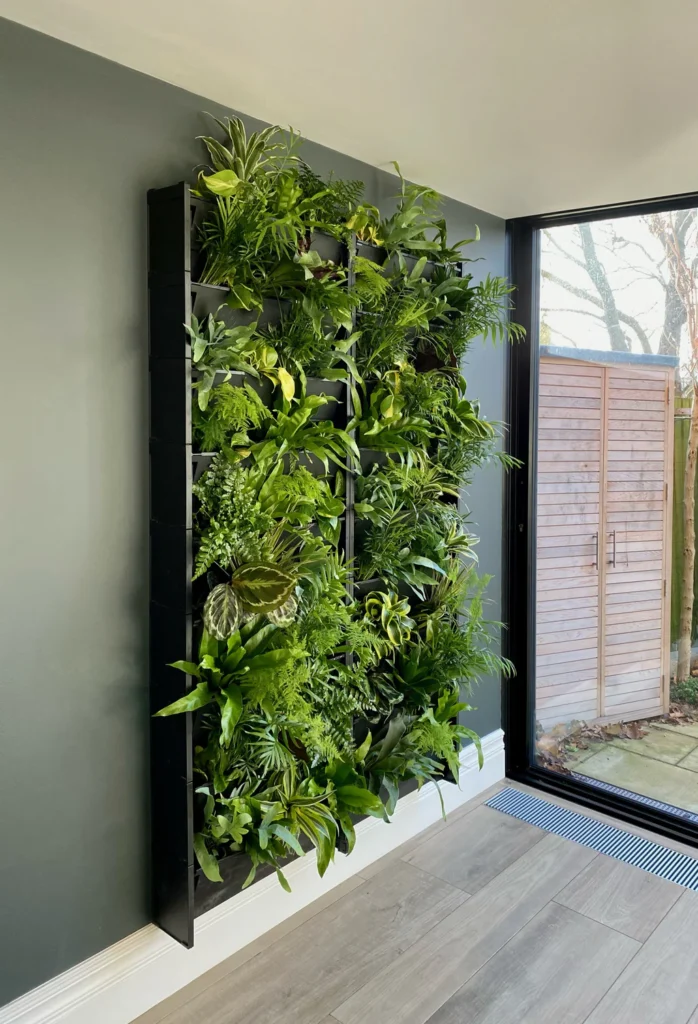
In recent years, green walls have become a popular trend in urban design, transforming cities into more sustainable and eco-friendly environments. Also known as living walls or vertical gardens, these innovative structures use vegetation to purify the air, reduce noise pollution, and create aesthetically pleasing spaces.
In this article, we will delve into the world of green walls, exploring their history, benefits, and practical applications. From outdoor installations to indoor designs, we’ll discuss how these remarkable structures can transform urban landscapes and improve our quality of life.
A Brief History of Green Walls
The concept of green walls dates back to ancient civilizations, where they were used for medicinal and spiritual purposes. However, it was the French botanist Patrick Blanc who revolutionized the design of living walls in the 1990s. His innovative system uses modular planters to create a self-sustaining ecosystem that can thrive even in challenging environments.
Blanc’s design was inspired by his experiences working with plants in urban areas, where he noticed how they could purify the air and provide insulation against noise pollution. He realized that by using vegetation to transform urban spaces, he could create a more sustainable and eco-friendly environment for both humans and wildlife.
Benefits of Green Walls
Green walls offer numerous benefits for both urban dwellers and the environment. Some of the most significant advantages include:
• Air Quality Improvement: Green walls absorb pollutants, particulate matter, and other airborne toxins, improving air quality and promoting healthier living conditions.
• Noise Reduction: The vegetation in green walls acts as a natural sound barrier, reducing noise pollution and creating more peaceful environments.
• Energy Efficiency: Green walls can reduce energy consumption by providing insulation, regulating temperature, and minimizing the need for artificial lighting.
• Urban Heat Island Mitigation: Green walls help to mitigate the urban heat island effect by providing shade, cooling the surrounding air, and reducing surface temperatures.
• Improved Aesthetic Appeal: Green walls add visual interest, create a sense of calmness, and can even serve as a natural screen to block out unwanted views.
Designing and Installing Green Walls
Before creating a green wall, it’s essential to consider several factors:
- Exposure to Sunlight: Ensure that the area receives sufficient sunlight for plant growth.
- Space Availability: Choose an area with enough space to accommodate the design and installation of the green wall.
- Maintenance and Upkeep: Consider the level of maintenance required, including watering, pruning, and fertilization.
- Plant Selection: Select plants that are suitable for the climate, soil conditions, and amount of sunlight available.
Types of Green Walls
There are several types of green walls, each with its unique characteristics and applications:
- Modular Planters: These pre-assembled modules can be easily installed on any surface.
- Tensioned Fabric Systems: This system uses a fabric membrane to create a structural framework for the plants.
- Hydroponic Systems: These systems use nutrient-rich water rather than soil to support plant growth.
Green Walls in Urban Environments
Green walls can be found in various urban settings, including:
- Office Buildings: Green walls provide a natural oasis for employees and improve air quality.
- Residential Homes: Green walls add aesthetic appeal and create a sense of calmness in living spaces.
- Public Spaces: Green walls can transform public areas into vibrant, sustainable environments.
Case Studies: Successful Green Wall Implementations
- The High Line, New York City: This elevated park features over 20 green walls that have transformed the urban landscape and improved air quality.
- The Singapore Botanic Gardens: These gardens feature a stunning green wall that has helped to mitigate the effects of climate change and improve air quality.
- The Green Wall at the University of California, Berkeley: This innovative system uses hydroponics to support plant growth and provides a natural oasis for students.
Challenges and Limitations
While green walls offer numerous benefits, there are also several challenges and limitations to consider:
- Maintenance Requirements: Green walls require regular maintenance, including watering, pruning, and fertilization.
- Cost: Installing and maintaining a green wall can be expensive, especially for large-scale projects.
- Limited Space: Green walls may not be suitable for areas with limited space or poor air quality.
- Climate Limitations: Some plants may not thrive in certain climates or weather conditions.
Conclusion
Green walls have come a long way since their inception, evolving from simple planters to sophisticated systems that can thrive even in challenging environments. With numerous benefits for both the environment and urban dwellers, green walls are an innovative solution for transforming cities into more sustainable and eco-friendly spaces.
By considering these factors and resources, you can create a thriving green wall that enhances the beauty and sustainability of your urban environment.
Frequently Asked Questions (FAQs)
-
What is a green wall?
A green wall is a living wall or vertical garden that uses vegetation to purify the air, reduce noise pollution, and create aesthetically pleasing spaces.
2. How do I design a green wall?When designing a green wall, consider factors such as exposure to sunlight, space availability, maintenance requirements, and plant selection.
3. What are the benefits of green walls?Green walls offer numerous benefits for both urban dwellers and the environment, including air quality improvement, noise reduction, energy efficiency, urban heat island mitigation, and improved aesthetic appeal.
4. Can I install a green wall in my backyard?Yes, you can install a green wall in your backyard, but consider factors such as sunlight exposure, space availability, maintenance requirements, and plant selection.
5. How often do I need to water a green wall?Watering frequency will depend on the type of plants used, climate conditions, and amount of sunlight available. Typically, green walls require watering once or twice a week during hot weather.
6. Can I use any type of plant in a green wall?No, choose plants that are suitable for the climate, soil conditions, and amount of sunlight available. Some plants may require more maintenance than others.
7. How long does it take to install a green wall?Installation time will depend on the size of the green wall, complexity of design, and installation method used. Typically, a modular planter system can be installed in a few hours or days.
Additional Resources:
- For more information on green walls and their benefits, visit websites such as the National Institute for Occupational Safety and Health (NIOSH) or the United States Environmental Protection Agency (EPA).
- Consult with experts in horticulture, urban design, or architecture to ensure that your green wall is designed and installed correctly.
- Explore local nurseries, gardening stores, or online retailers that specialize in plants, materials, and equipment for green walls.
By considering these factors and resources, you can create a thriving green wall that enhances the beauty and sustainability of your urban environment.


