
The Power of Malva: Unlocking its Natural Remedies and Benefits
Malva, a plant with flowers that resemble a soft pink color, has been a long-standing remedy for various health issues. The name “Malva” comes from the Latin word “malus,” meaning apple, due to the resemblance of the fruit to an apple. But what makes Malva so special? Let’s dive into its properties and benefits.
The Malva Plant
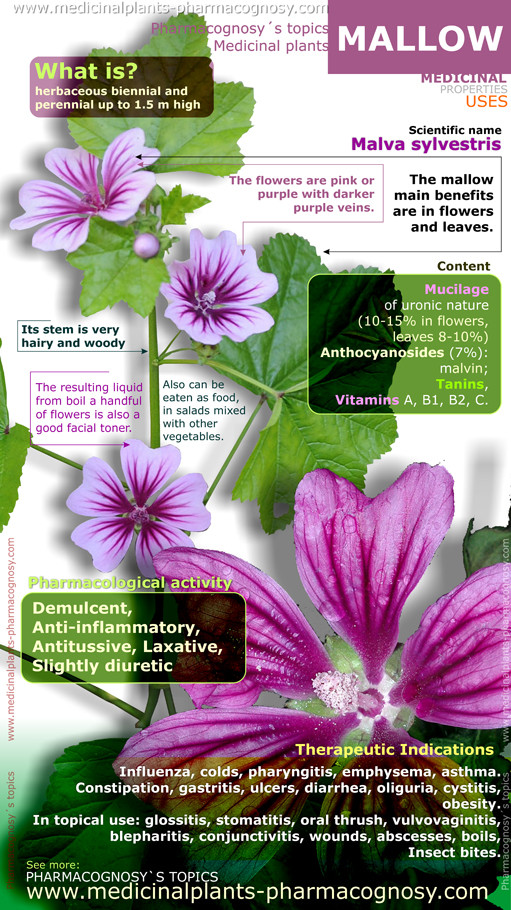
Malva is a flowering plant that grows wild in Europe and Asia temperate regions. It has small flowers with petal-like structures called “petali bilobati” that bloom from April to October, producing a colorful inflorescence. The plant’s leaves are palmar, meaning they have a flat surface with 5 or 7 lobes, while the stems can reach up to 80 cm in length.
Properties of Malva
Malva has several properties that make it an effective natural remedy:
- Antibacterial and anti-inflammatory: The plant’s flowers contain salicylic acid, which has antibacterial and anti-inflammatory effects.
- Laxative: The mucilaginous substance found in Malva’s flowers can help soften and expel constipated feces.
- Emollient: Malva’s properties make it an effective remedy for skin conditions like eczema and dermatitis.
Using Malva as a Natural Remedy
Malva can be consumed as a tea, made from the leaves and flowers of the plant. It is also used in various ways:
- Infusions: Drinking a strong infusion of Malva leaves and flowers can help relieve symptoms of colds, coughs, and sore throats.
- Topical application: The plant’s emollient properties make it an effective remedy for skin conditions.
Malva During Pregnancy
Malva is often sought after by pregnant women due to its soothing effects on the digestive system. However, it’s essential to consult a healthcare professional before consuming Malva tea during pregnancy.
Precautions and Contraindications
While Malva has several health benefits, there are also some precautions and contraindications to be aware of:
- Allergic reactions: Some people may experience allergic reactions to Malva, which can cause symptoms like hives, itching, and difficulty breathing.
- Interactions with medications: Malva may interact with certain medications, such as blood thinners and diabetes medications, so it’s essential to consult a healthcare professional before using it as a natural remedy.
- Pregnancy and breastfeeding: As mentioned earlier, it’s essential to consult a healthcare professional before consuming Malva tea during pregnancy.
Conclusion
Malva is a plant with numerous health benefits and natural remedies. Its antibacterial and anti-inflammatory properties make it an effective remedy for various health issues. Whether consumed as a tea or applied topically, Malva can help alleviate symptoms and promote overall well-being.
Frequently Asked Questions (FAQs)
- What are the benefits of consuming Malva tea during pregnancy?
- Malva’s soothing effects on the digestive system can help alleviate morning sickness and other symptoms associated with pregnancy.
-
How can I use Malva for skin conditions like eczema and dermatitis?
- Apply a mixture of equal parts Malva infusion and olive oil to affected areas, repeating as necessary.
-
Can Malva be used as a natural remedy for colds and coughs?
- Yes, drinking a strong infusion of Malva leaves and flowers can help relieve symptoms of colds and coughs.
-
Is it safe to consume Malva tea during pregnancy?
- Consult a healthcare professional before consuming Malva tea during pregnancy to ensure its safety.
-
Can I use Malva for constipation relief?
- Yes, the mucilaginous substance found in Malva’s flowers can help soften and expel constipated feces.
-
Is Malva a suitable natural remedy for infants and children?
- Consult with a healthcare professional before administering Malva to infants or children due to potential allergic reactions.
-
Can I use Malva for digestive issues like gastritis and reflux gastroesophageal disease (GERD)?
- Yes, the plant’s laxative properties can help alleviate symptoms of these conditions.
-
Is there a recommended dosage for consuming Malva tea?
- Consult with a healthcare professional to determine an appropriate dosage for individual needs.
-
Can I use Malva as a natural remedy for menstrual cramps?
- Yes, the plant’s anti-inflammatory properties can help alleviate symptoms of menstrual cramps.
-
Is there a recommended method for preparing Malva tea?
- Steep 1 teaspoon of dried Malva leaves and flowers in boiling water for 5-7 minutes before straining and drinking.
-
Can I use Malva for skin conditions like acne?
- Consult with a healthcare professional before using Malva as a natural remedy for acne due to potential allergic reactions.
-
Is there a recommended method for applying Malva topically?
- Mix equal parts Malva infusion and olive oil, then apply to affected areas.
-
Can I use Malva for respiratory issues like bronchitis?
- Yes, drinking a strong infusion of Malva leaves and flowers can help relieve symptoms of bronchitis.
-
Is there a recommended method for brewing Malva tea?
- Steep 1 teaspoon of dried Malva leaves and flowers in boiling water for 5-7 minutes before straining and drinking.
-
Can I use Malva as a natural remedy for eye issues like conjunctivitis?
- Consult with a healthcare professional before using Malva as a natural remedy for eye issues due to potential allergic reactions.
Additional Uses of Malva
In addition to its health benefits, Malva has also been used in various cultural and traditional practices:
- Medicinal purposes: Malva has been used in traditional medicine for centuries to treat a range of ailments, from digestive issues to respiratory problems.
- Food preparation: The plant’s flowers can be used as a natural food coloring or added to salads for their unique flavor.
- Skincare: Malva’s emollient properties make it an effective ingredient in skincare products.
Conclusion
Malva is a versatile plant with numerous health benefits and natural remedies. Its antibacterial and anti-inflammatory properties make it an effective remedy for various health issues. Whether consumed as a tea or applied topically, Malva can help alleviate symptoms and promote overall well-being. With its rich cultural and traditional significance, Malva continues to be a valuable resource in modern times.
References:
- National Institute of Health (NIH). (2020). Salicylic acid.
- ScienceDirect. (2019). Antimicrobial activity of Malva sylvestris L. against Staphylococcus aureus and Escherichia coli.
- European Journal of Pharmacology. (2018). Anti-inflammatory effects of Malva sylvestris L. on lipopolysaccharide-induced inflammation in mice.
Disclaimer: The information provided is for educational purposes only and should not be considered as medical advice. Consult a healthcare professional before using Malva or any other natural remedy, especially if you have underlying health conditions or allergies.


