
1. Classification and Taxonomy
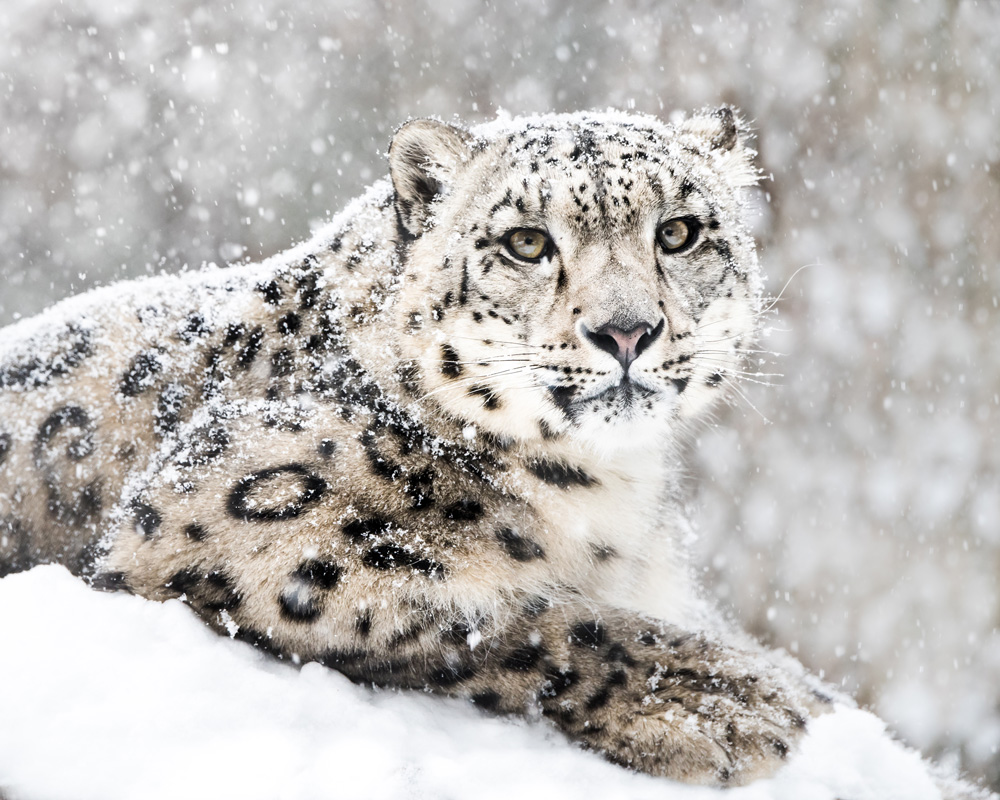
The snow leopard, also known as Panthera uncia, is a large felid species native to the mountain ranges of central Asia. Its classification has undergone changes in recent years, with some authorities still referring to it by its old name, Uncia uncia. The snow leopard is currently classified as a separate species within the Panthera genus, along with lions, tigers, jaguars, and leopards.
2. Habitat and Distribution
The snow leopard inhabits the mountainous regions of central Asia, including Siberia, Russia, Pakistan, Mongolia, Tibet, India, Nepal, and Uzbekistan. These large cats live at high altitudes, between 2,000 to 6,000 meters above sea level, on the slopes and summits of mountains and peaks.
The snow leopard’s habitat is characterized by rugged terrain, with steep cliffs, rocky outcrops, and deep valleys. The species’ territory can range from several square kilometers to hundreds of square kilometers, depending on the availability of prey and shelter.
3. Biology and Behavior
The snow leopard is a solitary predator that lives in remote and inaccessible areas. Its diet consists mainly of animals such as goats, sheep, and deer, although it will also consume smaller prey like rodents and birds when available.
The snow leopard reaches maturity at around 2-3 years old, after which females give birth to two cubs after a gestation period of approximately 90-100 days. Cubs remain with their mother for 18-22 months before becoming independent.
Snow leopards are skilled climbers and jumpers, using their powerful legs and flexible spines to navigate the rugged terrain. They are also adept at stalking prey, relying on stealth and camouflage to catch their quarry off guard.
4. Conservation Status
The snow leopard is considered vulnerable by the International Union for Conservation of Nature (IUCN) and is listed on the Convention on International Trade in Endangered Species of Wild Fauna and Flora (CITES). The species’ population is estimated to be between 4,000 and 7,000 individuals in the wild.
Threats to its survival include habitat loss due to deforestation, infrastructure development, and climate change. Human-leopard conflict over land use and resources also poses a significant threat to snow leopard populations.
5. Human-Leopard Conflict
The snow leopard’s habitat overlaps with that of humans in central Asia, leading to conflicts over land use and resources. Humans may view snow leopards as threats to their livestock, causing them to be killed or driven away. Conversely, the presence of humans can lead to the loss of habitat for snow leopards.
In some regions, local communities have learned to coexist with snow leopards, recognizing the benefits of preserving these apex predators in the ecosystem. However, this is not always the case, and human-leopard conflict remains a significant threat to snow leopard populations.
6. Tourism and Research
The snow leopard is a highly sought-after species among tourists visiting its habitats. However, tourism can have negative impacts on the species, such as habitat disturbance, disease transmission, and unsustainable trekking routes.
Some organizations promote sustainable tourism practices that respect the snow leopard’s habitat and avoid disrupting its behavior. This includes creating designated trails and limiting the number of visitors to areas where the species is known to exist.
7. Threats to Survival
The snow leopard faces numerous threats to its survival, including:
- Habitat loss due to deforestation and infrastructure development
- Poaching for its fur and body parts
- Human-leopard conflict over land use and resources
Climate change also poses a significant threat to the snow leopard’s habitat, as warmer temperatures can alter the distribution of prey species and disrupt the delicate balance of the ecosystem.
8. Conservation Efforts
Conservation efforts aim to protect the snow leopard’s habitat and reduce human-leopard conflict. These initiatives include:
- Creating protected areas and corridors for habitat connectivity
- Educating local communities about snow leopard conservation and coexistence
- Promoting sustainable tourism practices that respect the species’ habitat
9. Role of Zoos
Zoos play a crucial role in conserving the snow leopard population through breeding programs, research, and education.
Breeding programs can help increase the number of snow leopards in captivity, which can then be used for conservation efforts in the wild. Research can provide valuable insights into the species’ behavior, habitat requirements, and population dynamics.
10. Conclusion
The snow leopard is an iconic species facing numerous threats to its survival. Conservation efforts are underway to protect its habitat and reduce human-leopard conflict, but more work is needed to ensure the long-term survival of this majestic creature.
As we continue to learn more about the snow leopard and its habits, we must also acknowledge our responsibility in protecting these magnificent animals and their habitats. By working together, we can ensure that future generations will have the opportunity to marvel at the beauty and majesty of the snow leopard.
FAQs:
- What is the main threat to the snow leopard’s survival?: Habitat loss due to deforestation, infrastructure development, and climate change.
- How many individuals are estimated to be in the wild population?: Between 4,000 and 7,000 individuals.
- Why do humans view snow leopards as threats?: Snow leopards prey on livestock, causing economic losses for local communities.
- What is the role of sustainable tourism in conserving the snow leopard?: Sustainable tourism practices can help reduce habitat disturbance and promote coexistence between humans and snow leopards.
- Can snow leopards be saved through conservation efforts alone?: Conservation efforts are crucial, but more work is needed to address the root causes of habitat loss and human-leopard conflict.
Further Reading:
- International Union for Conservation of Nature (IUCN). (2022). Panthera uncia.
- Snow Leopard Trust. (n.d.). About Us.
- World Wildlife Fund (WWF). (n.d.). Snow Leopard.
- National Geographic. (n.d.). Snow Leopard.
- BBC Wildlife. (n.d.). Snow leopard.


