
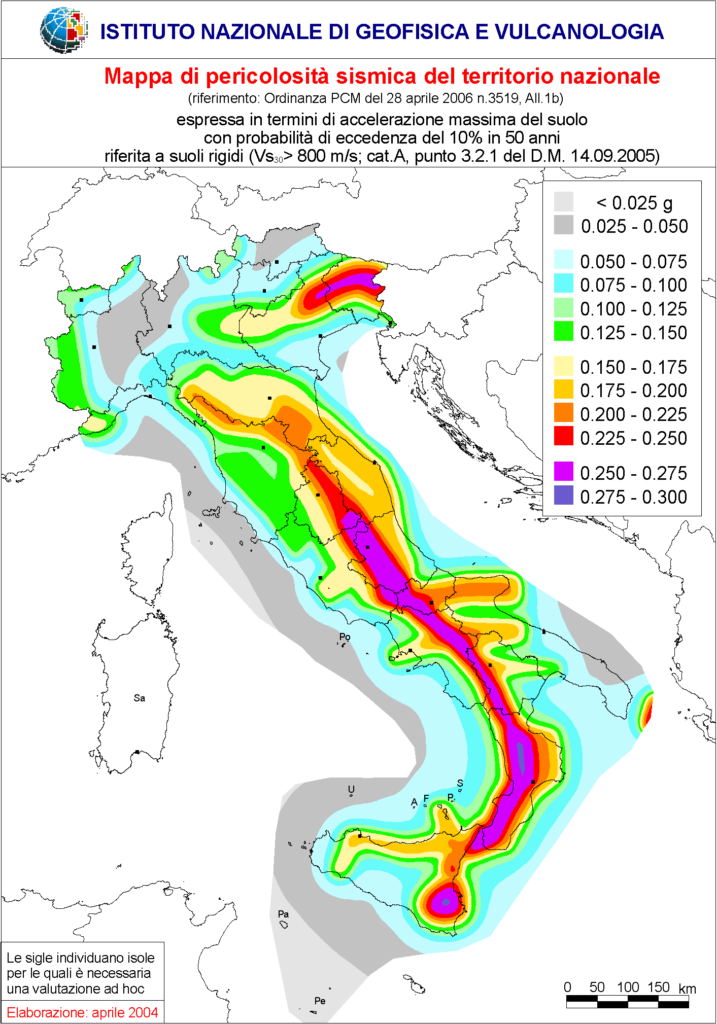
Italy is known for its rich history, art, architecture, and natural beauty, but it’s also prone to seismic activity. The country is divided into four zones of pericolosity sismica, each with distinct characteristics and requirements for mitigation measures. In this article, we’ll delve into the world of seismic zones, exploring their history, classification, and the initiatives implemented by the government to address these risks.
A Brief History of Seismic Regulation in Italy
The first seismic regulation in Italy dates back to February 1974, but many buildings were already in existence, making them inadequate for absorbing seismic shocks. Since 1981, the Italian National Institute of Geophysics and Volcanology (INGV) has been working on a map of seismic risk zones, which is regularly updated by geologists and researchers.
Understanding Sismic Zones in Italy
Italy is divided into four zones of pericolosity sismica:
- Zone 4: Low-risk zone, indicated with gray and light-gray colors
- Zone 3: Medium-risk zone, encompassing areas marked with light-blue, blue, green-light, and green colors
- Zone 2: High-risk zone, characterized by yellow, light-orange, dark-orange, and red colors
- Zone 1: High-risk zone, designated as “high-risk” due to its high likelihood of severe consequences from earthquakes
The SISMA Bonus Initiative
In an effort to encourage property owners to take proactive measures against seismic hazards, the Italian government has introduced the SISMA bonus initiative. This program provides fiscal incentives for building owners who implement anti-seismic measures.
The Fascicolo del Fabbricato: A Tool for Assessing Seismic Resistance
Each building is required to have a Fascicolo del fabbricato, which serves as a sort of “identity card” providing information on the building’s seismic resistance. This document will become mandatory in the near future.
Classifying Buildings by Sismic Risk
The classification of buildings by sismic risk is based on six categories, denoted by letters A to F. The letter F indicates the highest level of risk, while A corresponds to the lowest.
| Letter | Category |
|---|---|
| F | Most vulnerable to seismic activity |
| E | Vulnerable to moderate seismic activity |
| D | Moderately resistant to seismic activity |
| C | Resistant to moderate seismic activity |
| B | Less susceptible to seismic activity |
| A | Highly resistant to seismic activity |
A Map of Sismic Zones in Italy
The map of sismic zones in Italy was developed by the INGV and published in the Official Gazette of the State. The color scheme used on the map corresponds to the classification system outlined above.
| Color Scheme | Zone Classification |
|---|---|
| Gray and Light-Gray | Zone 4 (Low-Risk) |
| Light-Blue, Blue, Green-Light, and Green | Zone 3 (Medium-Risk) |
| Yellow, Light-Orange, Dark-Orange, and Red | Zones 2 and 1 (High-Risk) |
Understanding the Map
To make the most of this map, we can analyze it by examining the color scheme used. Each zone is designated with a specific set of colors, which can help identify areas at higher risk.
Islands Require Specialized Research
For islands, additional research is required to determine their seismic risks. Information on high-risk areas can be found on the INGV website, where there’s an up-to-date list of earthquakes in Italy.
The Connection Between Sismic Risk and Orogenesis
Orogenesis plays a significant role in shaping Italy’s geography and influencing its seismic risk. By studying how mountains form and evolve over time, we can gain valuable insights into the country’s geological past and present seismic hazards.
Building Codes and Zoning Regulations
In addition to the Fascicolo del fabbricato, building codes and zoning regulations play a crucial role in mitigating seismic risks. These measures are designed to ensure that buildings are constructed with seismic-resistant materials and designs that can withstand earthquakes.
The Role of Private Sector Initiatives
Private sector initiatives have also played an important role in addressing seismic risks in Italy. Companies such as insurance providers, construction firms, and consulting services offer solutions and support for property owners who want to take proactive measures against seismic hazards.
Mitigation Strategies
Several mitigation strategies are being implemented across Italy to address seismic risks:
- Strengthening Building Foundations: Strengthening building foundations is one of the most effective ways to mitigate seismic risks.
- Installing Seismic-Resistant Materials: Installing seismic-resistant materials such as reinforced steel and earthquake-resistant concrete can help reduce damage from earthquakes.
- Implementing Early Warning Systems: Implementing early warning systems that detect seismic activity before it occurs can help property owners evacuate safely.
Conclusion
Italy’s sismic zones pose a significant threat to its citizens and infrastructure. By understanding the various zones of pericolosity sismica, property owners can take proactive measures to mitigate earthquake risks. The SISMA bonus initiative and the Fascicolo del fabbricato are crucial tools in addressing these challenges.
Frequently Asked Questions
- What is the purpose of the INGV’s map of sismic zones in Italy?
- The map helps identify areas at higher risk due to seismic activity.
- How does the SISMA bonus initiative work?
- Property owners who implement anti-seismic measures can receive fiscal incentives from the Italian government.
- What is the Fascicolo del fabbricato, and why is it becoming mandatory?
- The Fascicolo del fabbricato serves as a tool for assessing seismic resistance in buildings; it will become mandatory in the near future to ensure public safety.
- How are buildings classified by sismic risk?
- Buildings are categorized based on their level of vulnerability to seismic activity using six categories (F, E, D, C, B, A).
- What information can be found on the INGV website regarding high-risk areas in Italy?
- The INGV website provides an up-to-date list of earthquakes in Italy and offers additional resources for researching sismic zones.
By understanding seismic zones in Italy and taking proactive measures to mitigate earthquake risks, we can work together to create a safer and more resilient future.


