
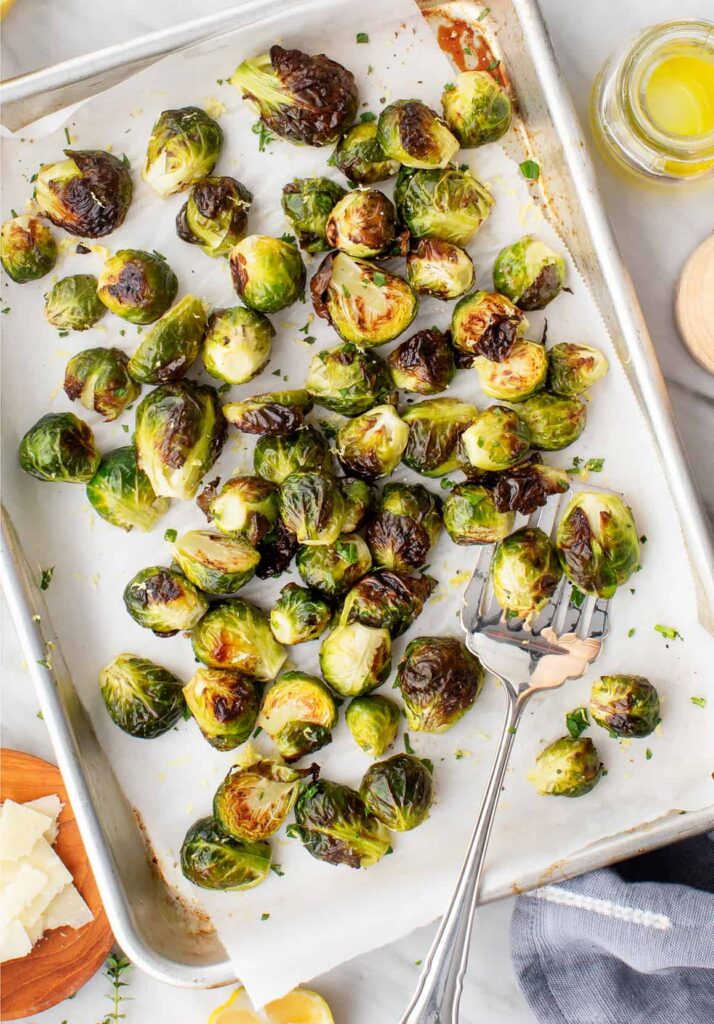
Are you ready to unlock the full potential of Brussels sprouts? From their versatility in cooking to their impressive nutritional profile, these tiny veggies pack a big punch. In this article, we’ll delve into the world of Brussels sprouts, exploring different recipes, preparation methods, and the benefits they offer.
What are Brussels Sprouts?
Brussels sprouts, also known as cavolini, are a type of vegetable that belongs to the Brassica family. They’re a cool-season crop, typically grown in temperate climates, and are native to Belgium (hence their name). These small, cabbage-like buds are packed with nutrients and offer numerous health benefits.
Preparing Brussels Sprouts: A Guide
When it comes to preparing Brussels sprouts, the options are endless. Here, we’ll focus on three popular methods: roasting, sautéing, and boiling.
Roasting Brussels Sprouts
Roasting brings out the natural sweetness in Brussels sprouts, making them a delicious side dish or topping for salads. To roast Brussels sprouts:
- Cut them in half
- Toss with olive oil, salt, and pepper
- Roast at 400°F (200°C) for 20-25 minutes
Sautéing Brussels Sprouts
Sautéing is a great way to preserve the crunch of Brussels sprouts while infusing them with flavor. To sauté Brussels sprouts:
- Cut them in half
- Sauté with olive oil, garlic, and salt
- Cook for 5-7 minutes
Boiling Brussels Sprouts
Boiling is a simple way to cook Brussels sprouts quickly. To boil Brussels sprouts:
- Cut them in half
- Boil in water until tender (8-10 minutes)
- Drain and serve
Variations: Vegan and Vegetarian Options
Brussels sprouts can be easily adapted to suit various dietary preferences. For vegan or vegetarian versions, substitute dairy products with plant-based alternatives.
- Replace mozzarella cheese with vegan cheese
- Use panna di soia instead of traditional cream
Health Benefits of Brussels Sprouts
Brussels sprouts are a nutritional powerhouse, offering numerous health benefits:
- High in Fiber: Supports digestive health and satiety
- Rich in Antioxidants: Protects against cell damage and chronic diseases
- Good Source of Vitamins: Vitamin C, K, and A for immune function and vision
- Minerals Abound: Calcium, iron, and potassium for strong bones and heart health
Growing Brussels Sprouts at Home
If you’re eager to grow your own Brussels sprouts, consider cultivating them in a pot or garden bed. With proper care and conditions, these tiny veggies can thrive.
- Choose a container with good drainage
- Plant seeds 1-2 inches deep and 6-8 inches apart
- Water regularly and provide adequate sunlight
Tips for Growing Brussels Sprouts
Growing Brussels sprouts requires specific conditions to flourish. Here are some tips to keep in mind:
- Plant Brussels sprouts in early spring or late summer/early fall, when the weather is cooler.
- Provide at least 6 hours of direct sunlight per day
- Keep the soil consistently moist but not waterlogged
- Fertilize with a balanced fertilizer once a month
Common Issues When Growing Brussels Sprouts
When growing Brussels sprouts, you may encounter some common issues. Here are some solutions to help you troubleshoot:
- Pests: Use neem oil or insecticidal soap to control pests like aphids and whiteflies.
- Diseases: Remove infected leaves and treat with a fungicide if necessary
- Nutrient deficiencies: Fertilize regularly and provide adequate sunlight
Conclusion
Brussels sprouts are an incredible addition to any meal, offering versatility, nutrition, and flavor. By exploring different cooking methods, adapting recipes for various diets, and understanding the health benefits, you’ll unlock the full potential of these tiny veggies.
Frequently Asked Questions (FAQs)
- What is the best way to store Brussels sprouts?
- Store in a sealed container or plastic bag in the refrigerator
- Can I eat raw Brussels sprouts?
- Yes, raw Brussels sprouts can be eaten as part of a salad or slaw
- How do I clean Brussels sprouts before cooking?
- Rinse under cold water and gently scrub with a brush to remove dirt
- Can I grow Brussels sprouts indoors?
- Yes, but require sufficient sunlight (12-14 hours) and temperatures between 60°F-70°F (15°C-21°C)
- Are Brussels sprouts suitable for people with allergies?
- Consult a doctor or registered dietitian to determine safety for individual allergy needs
- Can I use frozen Brussels sprouts in cooking?
- Yes, but thaw and rinse before using to ensure optimal texture and flavor
- How do I choose the freshest Brussels sprouts at the market?
- Opt for firm, green buds without signs of wilting or discoloration
- Can Brussels sprouts be eaten raw in a smoothie?
- Yes, but blend with other ingredients to mask any bitterness
Additional Recipes and Ideas
Here are some additional recipes and ideas to get you started with your Brussels sprouts journey:
- Roasted Brussels Sprouts Salad: Toss roasted Brussels sprouts with mixed greens, cherry tomatoes, and a homemade vinaigrette
- Pan-Seared Brussels Sprouts: Sauté sliced Brussels sprouts in olive oil and butter until crispy, then top with garlic and parmesan cheese
- Braised Red Cabbage with Brussels Sprouts: Cook chopped red cabbage and Brussels sprouts in liquid, flavored with apples and spices


