
As we navigate the complexities of human relationships, it’s easy to get caught up in toxic dynamics that can leave us feeling drained, confused, and trapped. These “toxic” relationships, also known as “perspecticide,” are a mix of manipulation and control that can destroy our perspectives and identities.
Recognizing Toxic Relationships: The First Step to Freedom
The first step towards escaping these toxic relationships is acknowledging their presence in your life. This may not be an easy task, especially if you’re accustomed to putting others’ needs before your own or have a tendency to people-please. However, recognizing the signs of toxicity can help you break free from its suffocating grip.
Toxic relationships can manifest in various forms, including:
- Controlling partners: Those who try to exert control over every aspect of your life, often using emotional manipulation and guilt trips.
- Manipulative family members: Individuals who use their position or influence to exploit and dominate you.
- Calculating colleagues: Co-workers who prioritize their own interests over team harmony and individual well-being.
Understanding the Psychology Behind Toxic Relationships
Toxic relationships are not just about power struggles; they’re also rooted in psychological manipulation. Some common tactics include:
- Gaslighting: Making you question your own perceptions, memories, or sanity.
- Emotional blackmail: Using guilt, anger, or self-pity to control your emotions and actions.
- Isolation: Separating you from friends, family, or support networks to maintain control.
Breaking Free: Taking Care of Yourself
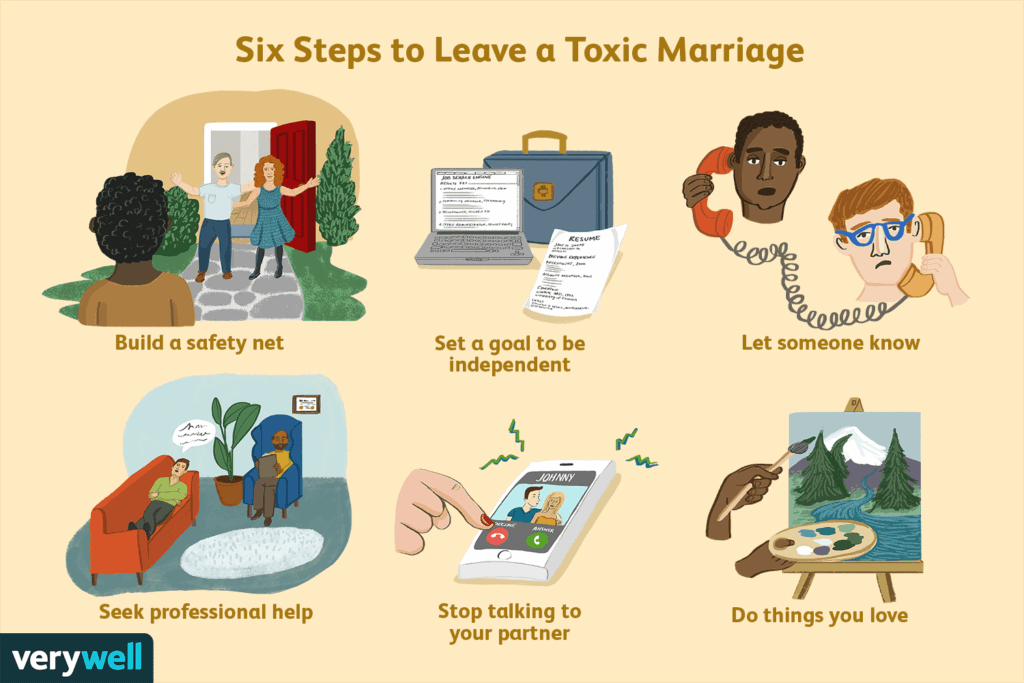
So, how can you break free from these toxic relationships? Here are some steps to help you start your journey:
- Prioritize self-care: Make time for activities that nourish your mind, body, and soul.
- Set boundaries: Learn to say “no” without feeling guilty or anxious.
- Surround yourself with positivity: Spend time with people who uplift and support you.
Toxic Relationships in Love: Navigating the Challenges
When it comes to romantic relationships, toxic dynamics can be particularly challenging. Here are some signs that your relationship might be toxic:
- Control and possessiveness: Your partner wants to dictate every aspect of your life.
- Emotional manipulation: You feel like you’re walking on eggshells, trying not to upset them.
Toxic Relationships in Family: Breaking Free from the Cycle
Family dynamics can also be toxic. Here are some signs that your family relationship might be unhealthy:
- Manipulation and control: A parent or sibling tries to dictate your decisions or actions.
- Emotional abuse: You feel belittled, criticized, or rejected.
Toxic Relationships at Work: Strategies for Success
Even in the workplace, toxic relationships can arise. Here are some signs that you might be dealing with a toxic colleague:
- Power struggles: Your coworker tries to undermine your authority or achievements.
- Emotional manipulation: You feel like you’re walking on eggshells around them.
Consolations: Seeking Help and Support
Breaking free from toxic relationships can be challenging, but it’s not impossible. Here are some resources that might help:
- Therapy: Work with a therapist to develop coping strategies and build resilience.
- Support groups: Join a support group to connect with others who have experienced similar situations.
Don’t let toxic relationships hold you back any longer. Take the first step towards freedom, and remember that you deserve to be treated with love, respect, and kindness.
Understanding the Dangers of Toxic Relationships
Toxic relationships can have serious consequences on both physical and mental health. Here are some potential risks:
- Depression: Chronic stress and emotional manipulation can lead to feelings of hopelessness and despair.
- Anxiety: The constant feeling of being on edge or walking on eggshells can trigger anxiety attacks.
The Power of Self-Reflection
Breaking free from toxic relationships requires self-reflection and introspection. Here are some questions to ask yourself:
- What are my boundaries?: What do I feel comfortable with, and what don’t I?
- How do I communicate effectively?: Am I assertive, or do I tend to people-please?
- Who am I around?: Are there people in my life who uplift me, or do they bring me down?
Building a Support Network
Breaking free from toxic relationships often requires building a support network. Here are some ways to connect with others:
- Friends and family: Reach out to loved ones for emotional support.
- Therapy groups: Join a therapy group to connect with others who have experienced similar situations.
- Support hotlines: Call a support hotline for immediate assistance.
The Road to Recovery
Breaking free from toxic relationships takes time, effort, and patience. Here are some tips for navigating the recovery process:
- Practice self-care: Make time for activities that nourish your mind, body, and soul.
- Set boundaries: Learn to say “no” without feeling guilty or anxious.
- Surround yourself with positivity: Spend time with people who uplift and support you.
By taking these steps, you can begin to break free from the shackles of toxic relationships and start rebuilding your life on a foundation of love, respect, and kindness.


