
As humans, we are all unique individuals with distinct physical characteristics that set us apart from one another. But have you ever stopped to think about how these traits can reveal our ethnicity? In this article, we’ll delve into the fascinating world of physical anthropology and explore the connection between ethnicities and their corresponding physical traits.
The Study of Physical Traits: A Journey Through Ethnicity
A recent study conducted by the Department of Experimental Psychology at the University of Glasgow has shed new light on the relationship between physical traits and ethnicity. The researchers analyzed thousands of photographs of faces from various countries to identify common characteristics that distinguish individuals from different ethnic backgrounds.
One of the most striking findings was the prevalence of fair skin among European populations, often accompanied by blue or green eyes and blonde hair. However, it’s essential to remember that these traits are not exclusive to Europeans and can be found in other ethnic groups as well.
For example, people of African descent may also have fair skin, although it is relatively rare compared to their European counterparts. Similarly, individuals from East Asia, such as Chinese or Japanese populations, often have a more robust build and prominent facial features, which are not unique to these groups alone.
The History of Physical Anthropology: A Legacy of Discovery
Sir Francis Galton, a renowned social scientist, conducted a groundbreaking study on physical traits back in 1880. He created an image of the “average face” by superimposing multiple photographs from different sources. This pioneering work laid the foundation for modern physical anthropology.
In recent years, photographer Mike Story has embarked on a similar project, capturing the faces of people from diverse backgrounds to create a comprehensive dataset for analysis. His work, titled “The Face of Tomorrow,” is a testament to the power of photography in revealing our shared humanity.
Unraveling the Mystery of Physical Traits: A Symbol of Character?
Some researchers believe that physical traits can reveal aspects of our character, personality, and even destiny. While this idea may seem far-fetched, it’s essential to approach it with caution and nuance. After all, we are complex individuals with unique experiences and backgrounds.
To gain a deeper understanding of this concept, I recommend exploring the book “The Study of Character: Knowing Others Through Physical Traits, Gestures, and Behavior” available on Amazon for just $10. This engaging guide offers practical tips on interpreting physical cues to better understand others.
For instance, research has shown that people with wider facial features tend to be more open-minded and agreeable, while those with narrower features are often more competitive and assertive. However, it’s crucial to remember that these traits are not absolute and can vary greatly among individuals.
Infancy and Beyond: Uncovering the Secrets of Neonatal Features
Newborns are a mystery to many, and their facial features can be particularly enigmatic. As we wait for these infants to develop more defined characteristics, we must rely on observation and research to make educated predictions about their future personalities and traits.
Studies have shown that infants as young as six months old exhibit distinct facial expressions that can predict their temperament later in life. For example, babies with a more relaxed facial expression tend to be more laid-back and easy-going, while those with a more tense expression are often more anxious or stressed.
The Jewish Physical Trait Phenotype: A Stereotypical Representation?
Unfortunately, some physical traits have become associated with specific ethnic groups, often due to cultural stereotypes or biases. The case of the Jewish physical trait phenotype is a prime example. While it’s essential to recognize that these traits are not exclusive to Jews, they are often exaggerated or distorted in popular culture.
Norman Physical Traits: A Legacy of Strength and Vigor
When discussing Norman physical traits, we’re typically referring to characteristics such as fair skin, blue eyes, and a robust build. These features have been passed down through generations and are often associated with the Viking warrior culture.
However, it’s essential to note that Normans were not solely composed of these physical traits, and there is significant variation within the group. Additionally, the concept of “Norman” has become a bit of a misnomer, as many individuals with these physical characteristics may not identify as Norwegian or Norman by cultural heritage.
The Enigma of Eastern Physical Traits: A Diverse Spectrum
The concept of “Eastern” physical traits is often oversimplified or reduced to a single stereotype. In reality, this category encompasses numerous ethnic groups with distinct characteristics. From the piercing eyes of Chinese individuals to the robust features of Indian men, each group boasts its unique blend of physical attributes.
For example, people from Southeast Asia often have darker skin tones and more prominent facial features than those from East Asia. Meanwhile, indigenous populations in South America may exhibit a wide range of physical traits due to their complex history of migration and assimilation.
The Influence of Environmental Factors on Physical Traits
While genetics play a significant role in shaping our physical characteristics, environmental factors can also have an impact. For instance, people who live at high altitudes may develop more robust lung capacity due to the lower oxygen levels in their environment.
Similarly, individuals from tropical regions may exhibit darker skin tones as a natural adaptation to protect themselves from excessive sunlight. These examples highlight the complex interplay between genetic and environmental factors that shape our physical traits.
Genetic Variation and the Role of Epigenetics
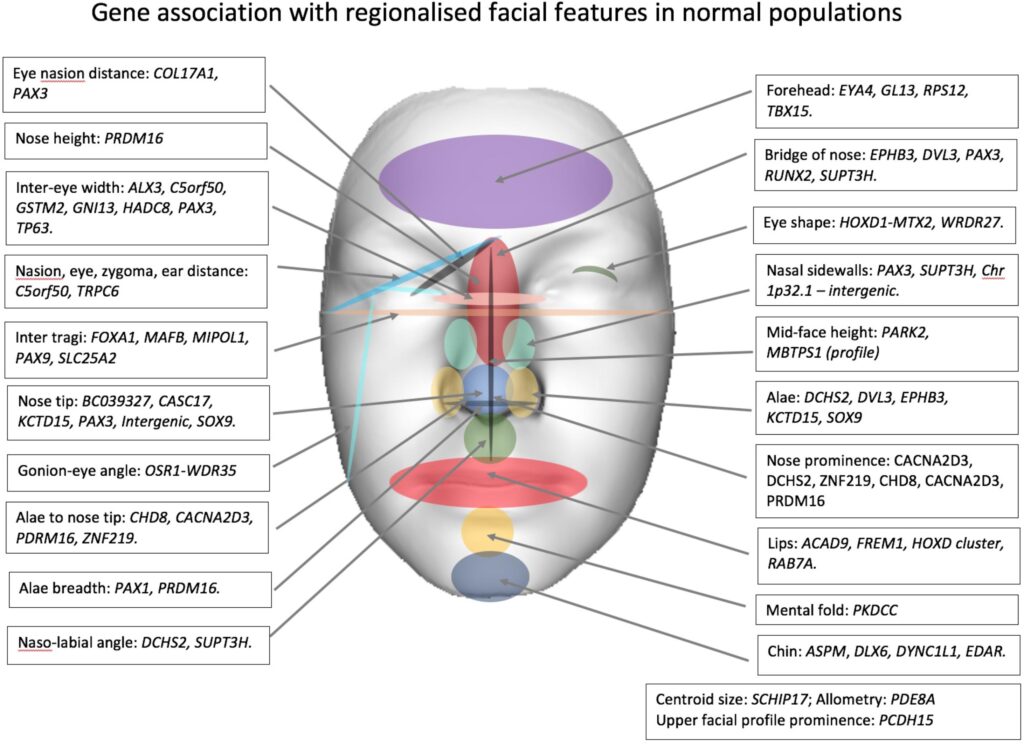
Recent advances in genetics have revealed the intricate complexities of human variation. While we often focus on genetic differences between populations, epigenetic factors can also influence our physical traits. For example, environmental toxins like lead or pesticides can affect gene expression, leading to changes in our physical characteristics.
The Intersection of Physical Traits and Social Identity
Physical traits are not isolated from social identity; they often intersect with cultural norms, values, and attitudes. For instance, the concept of beauty standards varies significantly across cultures, influencing how we perceive and interact with individuals based on their physical appearance.
Conclusion: Embracing Our Diversity
As we explore the fascinating world of physical traits and their connections to ethnicity, it’s essential to remember that our diversity is what makes us stronger. By embracing our differences and celebrating our individuality, we can foster a more inclusive and compassionate society.
Frequently Asked Questions (FAQs)
Q: Can physical traits reveal our destiny or personality?
A: While some researchers believe that physical traits can provide clues about our character, it’s essential to approach this idea with caution and nuance. Our experiences, environment, and choices play a significant role in shaping who we are today.
Q: How accurate is the concept of “average faces”?
A: The notion of an “average face” has been debunked as a misconception. Human diversity is vast, and there is no single representation that captures the essence of our species.
Q: Can physical traits be influenced by genetics or environment?
A: Both genetic and environmental factors contribute to the development of physical traits. While genes play a significant role in determining our physical appearance, lifestyle choices and experiences can also shape our features over time.
Q: How can I better understand the cultural significance of physical traits?
A: By engaging with diverse perspectives and experiencing different cultures firsthand, you can gain a deeper appreciation for the complex relationships between physical traits, ethnicity, and identity.
Q: Can physical traits be used to predict someone’s behavior or personality?
A: While some researchers believe that physical traits can provide insights into our character, it’s essential to remember that humans are infinitely complex beings. Behavior and personality are shaped by a multitude of factors, including experiences, environment, and choices.
Q: How has the concept of physical anthropology evolved over time?
A: The field of physical anthropology has undergone significant transformations since its inception. From early studies on facial structure to more recent advances in genetics and biometrics, our understanding of human diversity continues to grow and evolve.
Q: Can I use my knowledge of physical traits to improve my relationships with others?
A: Absolutely! By recognizing and appreciating the unique characteristics that make each person special, you can foster deeper connections and build stronger relationships.
Q: How can I challenge cultural stereotypes and biases associated with physical traits?
A: By engaging in open discussions, sharing diverse perspectives, and advocating for inclusivity, we can work together to break down barriers and promote a more nuanced understanding of human diversity.


