
As we walk through our homes and public spaces, it’s easy to overlook the materials that make up their floors. However, one such material deserves more attention – printed concrete. In this article, we’ll delve into the world of printed concrete, exploring its working process, benefits, and applications.
What is Printed Concrete?
Printed concrete, also known as decorative concrete or stamped concrete, is a type of flooring material that uses cement and water to create a design or pattern on the surface. Unlike traditional concrete, which is often gray and dull, printed concrete can mimic the appearance of natural materials like stone, wood, or even brick.
The Laying Process
The laying process of printed concrete is relatively straightforward. It involves applying a layer of cement and water to the surface, followed by a design pattern created using special tools and molds. The amount of cement and water used depends on the desired texture and thickness of the final product. Once the mixture is applied, it’s left to set for 24 hours before being washed and finished.
Benefits of Printed Concrete
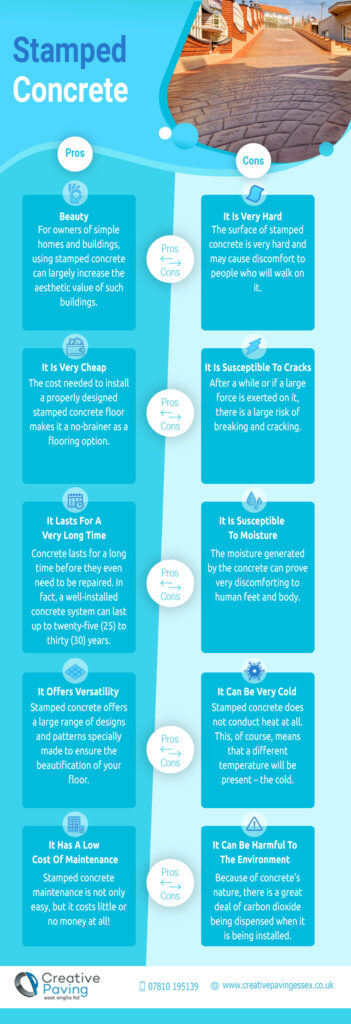
Printed concrete offers several benefits that make it an attractive choice for homeowners and businesses alike. Here are some of its advantages:
- Cost-effective: Compared to traditional flooring materials like wood or stone, printed concrete is relatively inexpensive.
- Low maintenance: The surface of printed concrete is easy to clean and maintain, making it perfect for high-traffic areas.
- Versatile design options: Printed concrete can be designed to mimic a wide range of materials, from natural stone to brick.
Applications of Printed Concrete
Printed concrete is not limited to flooring applications. It can also be used for external surfaces like driveways, sidewalks, and patios. In addition, it’s often used in industrial settings like warehouses, factories, and showrooms. Its durability and versatility make it an ideal choice for a variety of applications.
Types of Printed Concrete
There are several types of printed concrete, each with its own unique characteristics. Some of the most common types include:
- Geometric prints: These prints feature geometric patterns like chevrons or herringbone.
- Nature-inspired prints: These prints mimic natural materials like stone, wood, or brick.
- Textured prints: These prints feature textured surfaces that add depth and visual interest to the final product.
Tips for Choosing the Right Printed Concrete
When selecting a printed concrete product, there are several factors to consider. Here are some tips to help you make an informed decision:
- Consider your budget: Printed concrete is generally more affordable than traditional flooring materials.
- Think about durability: If you have high-traffic areas or extreme weather conditions, choose a printed concrete that’s designed for heavy use.
- Choose the right finish: Depending on your desired level of shine and texture, select a printed concrete product with a finish that suits your needs.
Popular Uses of Printed Concrete
Printed concrete is used in various settings due to its durability and aesthetic appeal. Here are some popular uses:
- Home flooring: Printed concrete is often used for home floors because it’s easy to clean, maintain, and repair.
- Public spaces: Printed concrete is commonly used in public areas like shopping centers, airports, and stadiums due to its durability and versatility.
- Industrial applications: Printed concrete is used in industrial settings like warehouses and factories due to its ability to withstand heavy traffic and harsh conditions.
The Benefits of Printed Concrete for Outdoor Spaces
Printed concrete can also be used for outdoor spaces like driveways, sidewalks, and patios. The benefits of using printed concrete for outdoor spaces include:
- Durability: Printed concrete is resistant to weathering and erosion, making it perfect for outdoor applications.
- Low maintenance: The surface of printed concrete is easy to clean and maintain, reducing the need for frequent repairs.
- Design flexibility: Printed concrete can be designed in a wide range of patterns and textures, allowing homeowners to create unique outdoor spaces.
Challenges and Limitations of Printed Concrete
While printed concrete offers many benefits, there are also some challenges and limitations to consider. Here are a few things to keep in mind:
- Color consistency: The color of printed concrete can vary depending on the manufacturer and application process.
- Texture variation: The texture of printed concrete can vary depending on the desired finish and pattern.
- Environmental impact: Printed concrete is made from cement, which has a significant environmental impact when produced and transported.
Conclusion
Printed concrete is a versatile and cost-effective flooring material that offers numerous benefits. Its durability, low maintenance requirements, and wide range of design options make it an ideal choice for homeowners and businesses alike. Whether you’re looking for a natural stone-like finish or a bold geometric pattern, printed concrete has something to offer.
Frequently Asked Questions
Q: What is the cost of printed concrete?
A: The cost of printed concrete varies depending on the size, texture, and design chosen. On average, it can range from 60 euros per square meter.
Q: How long does printed concrete take to set?
A: Printed concrete typically takes 24 hours to set after application.
Q: Can I apply printed concrete in high-traffic areas?
A: Yes, printed concrete is suitable for high-traffic areas due to its durability and resistance to wear and tear.
Q: Can I use printed concrete in exterior applications?
A: Yes, printed concrete can be used for external surfaces like driveways, sidewalks, and patios.
Q: What are the different types of prints available for printed concrete?
A: There are several types of prints available for printed concrete, including geometric prints, nature-inspired prints, and textured prints.


