
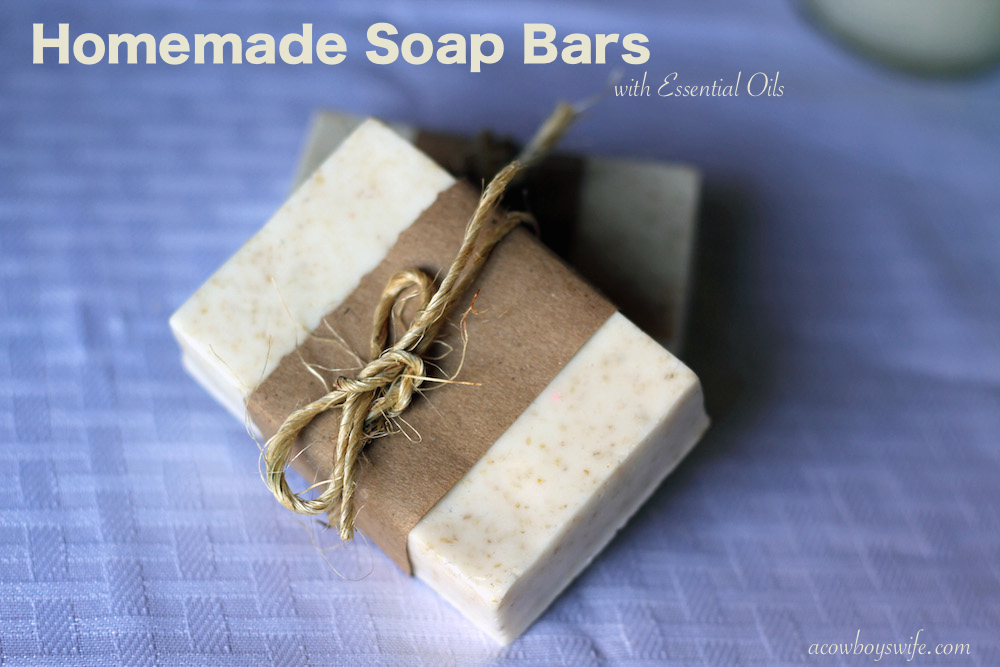
Are you tired of using commercial soap that contains harsh chemicals and artificial fragrances? Do you want to make a positive impact on the environment while also taking care of your skin? Look no further than making your own soap at home. Not only is it a fun and rewarding hobby, but it’s also a great way to avoid exposure to nasty ingredients found in commercial soaps.
Why Make Soap at Home?
When you make soap at home, you have complete control over the ingredients that go into it. This means that you can choose natural ingredients that are gentle on your skin and the environment. Unlike commercial soaps, which often contain synthetic fragrances, dyes, and preservatives, homemade soap is free from these nasty additives.
In addition to being a healthier alternative, making soap at home is also an eco-friendly option. When you make your own soap, you can reduce your carbon footprint by avoiding the transportation of goods and reducing packaging waste.
The Benefits of Making Soap at Home
So why should you make soap at home? Here are just a few benefits:
- Natural ingredients: You get to choose the natural ingredients that go into your soap, ensuring that it’s free from harsh chemicals and artificial fragrances.
- Customizable: With homemade soap, you can customize the scent, color, and texture of your soap to suit your preferences.
- Cost-effective: Making soap at home can be a cost-effective alternative to buying commercial soap, especially if you buy ingredients in bulk.
- Fun and rewarding: Making soap at home is a fun and rewarding hobby that allows you to express your creativity.
Getting Started
So how do you get started with making soap at home? Here are the basic supplies you’ll need:
- Glycerin
- Colorants (alcoholic or vegetable-based)
- Essential oils (choose from a variety of scents and flavors)
- Silicone molds (you can use different shapes and sizes)
The Process
Once you have your supplies, it’s time to start making soap! Here’s a basic recipe to get you started:
- Mix the glycerin with water in a bowl until it reaches a temperature of around 100°F to 110°F.
- Add a few drops of colorant and essential oils to the mixture and stir well.
- Pour the mixture into your silicone mold and let it cool and harden.
- Once the soap is hardened, remove it from the mold and cut it into bars.
Variations and Customizations
One of the best things about making soap at home is that you can customize it to suit your preferences. Here are a few ideas for variations:
- Add a natural exfoliant: You can add ingredients like oatmeal, coffee grounds, or sugar to create a natural exfoliant.
- Try different fragrances: Experiment with different essential oils and fragrance combinations to create unique scents.
- Use natural colorants: Instead of using synthetic dyes, try using natural colorants like turmeric, spirulina, or matcha green tea.
Tips for Making Soap at Home
Here are a few tips to keep in mind when making soap at home:
- Follow safety precautions: When working with essential oils and glycerin, make sure to follow proper safety precautions.
- Experiment with different recipes: Don’t be afraid to try new recipes and ingredients to create unique and personalized soaps.
- Practice patience: Making soap takes time and patience, so don’t get discouraged if it doesn’t turn out perfectly the first time.
FAQs
Here are some frequently asked questions about making soap at home:
- What kind of mold do I need?
You can use a variety of molds to create unique shapes and designs. - How long does it take for the soap to harden?
The time it takes for the soap to harden will depend on the temperature and humidity of your environment. - Can I add other ingredients to my soap?
Yes, you can add a variety of ingredients to create different textures and scents. - How do I store my homemade soap?
You can store your homemade soap in an airtight container or bag to keep it fresh.
Making soap at home is a fun and rewarding hobby that allows you to take control of the ingredients that go into your soap. With a little creativity and experimentation, you can create unique and personalized soaps that are gentle on your skin and the environment.
Benefits for Your Skin
Homemade soap made with natural ingredients has several benefits for your skin:
- Moisturizing: Many homemade soap recipes include moisturizing ingredients like coconut oil, olive oil, and shea butter to help hydrate and nourish your skin.
- Exfoliating: Adding a natural exfoliant like oatmeal or sugar can help remove dead skin cells and leave your skin feeling smooth and refreshed.
- Anti-inflammatory: Some essential oils, such as tea tree oil, have anti-inflammatory properties that can help soothe and calm irritated skin.
Benefits for the Environment
Making soap at home is also a great way to reduce your environmental impact:
- Reduced packaging waste: When you make your own soap, you don’t need to purchase individual bars or packets of ingredients, which reduces packaging waste.
- Less energy consumption: By making your own soap, you can avoid the energy used by commercial soap manufacturers to produce and transport their products.
- Sustainable ingredients: Many homemade soap recipes use sustainable ingredients like coconut oil, olive oil, and essential oils that are gentle on the environment.
Conclusion
Making soap at home is a fun and rewarding hobby that allows you to take control of the ingredients that go into your soap. With a little creativity and experimentation, you can create unique and personalized soaps that are gentle on your skin and the environment. Whether you’re looking for a healthier alternative or just want to try something new, making soap at home is definitely worth considering.


