
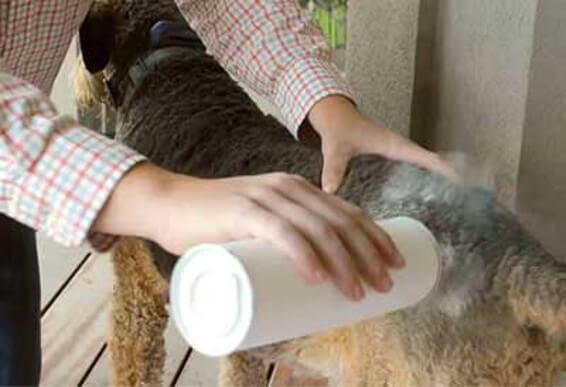
Are you tired of using chemical-based insecticides that harm your health and the environment? Look no further than diatomaceous earth (DE), a natural and effective solution for controlling insects and parasites. As an eco-friendly alternative, DE has gained popularity among gardeners, farmers, and pest control professionals.
What is Diatomaceous Earth?
Diatomaceous earth is a powder made from the fossilized remains of tiny aquatic organisms called diatoms. These microscopic algae were abundant in ancient lakes and oceans, and their shells formed a thick layer of sediment that eventually became fossilized. The resulting powder, known as diatomite, has been used for centuries to produce various industrial products.
How Does Diatomaceous Earth Work?
Unlike chemical-based insecticides, DE works by exploiting the physical properties of its tiny particles. When insects come into contact with DE, the sharp edges of the powder cut through their exoskeletons, causing dehydration and ultimately leading to death. This process is mechanical, not chemical, making it a safer choice for humans, pets, and the environment.
Properties and Composition
Diatomaceous earth has several beneficial properties that contribute to its effectiveness as an insecticide:
- High percentage of silicon dioxide (SiO2)
- Presence of calcium, sodium, magnesium, iron, and other minerals
- Abrasive texture, which helps break down exoskeletons
- Long-lasting effectiveness, making it a durable solution for pest control
Uses and Benefits
The uses of diatomaceous earth extend beyond insect control:
- Used as a natural fertilizer due to its high nutrient content
- Can be used as a thickening agent in food products
- Has been employed in the production of paper, cosmetics, and pharmaceuticals
- Can be used to treat skin conditions like eczema and acne
How Much Does Diatomaceous Earth Cost?
The cost of diatomaceous earth varies depending on the supplier, quality, and quantity. Generally, organic DE can range from $15 to $30 per pound (450 grams), while food-grade DE may be more expensive due to stricter regulations.
Controlling Specific Insects with Diatomaceous Earth
DE is effective against a wide range of insects, including:
- Fleas
- Ticks
- Lice and bed bugs
- Ants
- Aphids
- Whiteflies
Using Diatomaceous Earth as a Natural Insecticide
To effectively use diatomaceous earth as an insecticide:
- Sprinkle the powder liberally around affected areas, such as gardens or pet enclosures.
- Avoid direct contact with DE, as it can cause respiratory issues if inhaled.
- Wear protective clothing and gloves when handling DE to prevent skin irritation.
Alternatives to Diatomaceous Earth
If you’re looking for other natural insecticides, consider:
- Pyrethrin
- Neem oil
While these alternatives may have their own benefits, diatomaceous earth remains a popular choice due to its non-toxic nature and long-lasting effectiveness.
Benefits of Using Diatomaceous Earth
- Natural and Non-Toxic: DE is a safe alternative to chemical-based insecticides, making it an excellent choice for households with pets or children.
- Long-Lasting Effectiveness: DE can remain effective for extended periods, reducing the need for frequent applications.
- Durable Solution for Pest Control: DE’s abrasive texture helps break down exoskeletons, making it a durable solution for pest control.
- Cost-Effective: DE is generally less expensive than chemical-based insecticides, especially when used in large quantities.
Potential Drawbacks of Using Diatomaceous Earth
- Respiratory Issues: Inhaling DE can cause respiratory problems, so it’s essential to handle the powder with care and avoid direct contact.
- Skin Irritation: DE can irritate skin, especially if handled improperly. Wear protective clothing and gloves when handling DE.
- Not Suitable for All Insects: While DE is effective against many insects, some may not be affected by it, such as bed bugs.
Conclusion
In conclusion, diatomaceous earth is an effective and eco-friendly solution for controlling insects and parasites. Its unique properties make it a safer alternative to chemical-based insecticides, while its versatility ensures that it has a range of applications beyond pest control.


