
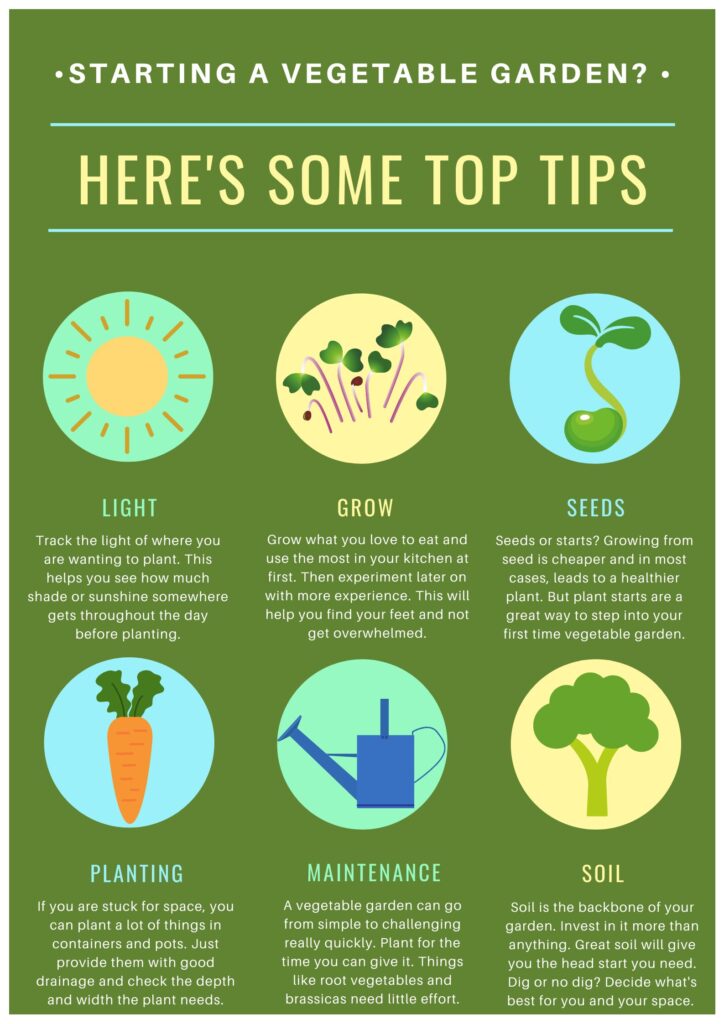
Growing fresh vegetables at home is a rewarding hobby that allows you to connect with nature and enjoy the fruits of your labor. One way to do this is by growing fresh vegetables indoors. This hobby has become a true passion for many Italians, who have discovered the joy of growing their own vegetables and enjoying the fruits of their labor.
Fortunately, today it is possible to purchase indoor plants of every type online, from aromatic herbs to wild forest fruits, to unique and unusual varieties. The advantage of buying indoor plants online is that you can find varieties that are often not available in traditional stores, and they can be delivered directly to your home.
Additionally, many companies also offer useful tips for caring for the plants, ensuring the best possible results from your gardening efforts. So, if you’re passionate about gardening or want to explore this world, choosing indoor plants online is a convenient and practical way to have access to the highest-quality products, with the guarantee of freshness and quality.
Getting Started with Indoor Gardening
Before we dive into the details of growing vegetables indoors, it’s essential to understand why this method has become so popular. Indoor gardening allows you to grow your own food in a controlled environment, which provides several benefits:
- Freshness: When you grow your own vegetables, you can enjoy them at their freshest and best flavor.
- Convenience: With indoor gardening, you don’t have to wait for produce to ripen on the vine or worry about transportation issues.
- Control: By growing indoors, you have complete control over the conditions in which your plants are grown.
Selecting Indoor Plants
Choosing the right indoor plants is crucial to ensure a good yield of vegetables. It’s essential to select healthy, vigorous, and disease-free plants to maximize production.
When selecting indoor plants, consider the following factors:
- Climate: Choose plants that adapt well to your zone’s climate.
- Seasonality: Select plants that thrive during the right season.
- Variety: Choose a variety of vegetables that are suitable for indoor gardening.
By selecting healthy and disease-free plants, you can increase the chances of a successful harvest.
Preparing the Soil
Soil preparation is a fundamental step in achieving good results from indoor gardening. In this section, we will outline the essential steps to follow to create a fertile soil suitable for planting.
Before preparing the soil, consider the following factors:
- Fertilization: Add compost or organic fertilizer to enrich the soil with essential nutrients.
- pH adjustment: Balance the pH level of the soil, aiming for a range between 6 and 7 to ensure optimal plant growth.
- Drainage: Improve drainage by adding materials like sand or gravel.
By following these simple steps, you’ll be able to create a fertile soil that supports healthy plant growth.
Planting Techniques
Planting is a critical step in indoor gardening. In this section, we will present expert techniques for planting vegetables successfully.
When planting, consider the following methods:
- Direct sowing: Plant seeds directly into the soil.
- Transplanting: Move seedlings from a nursery or seed tray to the final growing location.
By using these techniques, you can increase the chances of successful planting and growth.
Caring for Indoor Plants
Proper care is essential for healthy plant growth. In this section, we will discuss methods for watering, pest control, pruning, and harvesting.
When caring for your indoor plants, consider the following factors:
- Watering: Water plants regularly, but not too frequently.
- Pest control: Prevent pests by maintaining clean soil and using protective covers.
- Pruning: Prune dead or damaged branches to promote new growth.
- Harvesting: Regularly harvest vegetables to encourage more production.
By following these simple steps, you can maintain healthy indoor plants and enjoy a bountiful harvest.
Protecting Indoor Plants
Indoor plants require special care to ensure healthy growth and fruiting. In this section, we will discuss methods for protecting plants from pests and diseases.
When protecting your indoor plants, consider the following techniques:
- Retaining: Use retaining materials like anti-granding nets or fabric covers to protect plants.
- Prevention: Prevent disease and pest infestations by crop rotation, healthy plant selection, fertilization, pruning, and other methods.
By following these tips, you can protect your indoor plants and enjoy a thriving garden.
Conclusion
Growing fresh vegetables at home is a rewarding hobby that allows you to connect with nature and enjoy the fruits of your labor. By selecting healthy and disease-free plants, preparing fertile soil, using expert planting techniques, caring for your plants properly, and protecting them from pests and diseases, you can achieve success in indoor gardening.
With these simple steps, you can grow a bounty of fresh vegetables in the comfort of your own home. So why not give it a try?
FAQs
- What are the benefits of growing fresh vegetables at home?
Growing fresh vegetables at home offers several benefits, including freshness, convenience, and control over growing conditions. - How do I select healthy indoor plants for gardening?
When selecting indoor plants, consider factors such as climate, seasonality, and variety to ensure optimal growth. - What is the best way to prepare soil for planting vegetables indoors?
To prepare soil for planting, add compost or organic fertilizer, adjust pH levels, and improve drainage with materials like sand or gravel. - What are some expert techniques for planting vegetables successfully?
Expert techniques include direct sowing and transplanting seedlings to a final growing location. - How often should I water my indoor plants?
Water plants regularly, but not too frequently, typically requiring about 2.5 cm of water per week. - What are some effective methods for pest control in indoor gardening?
Effective methods include maintaining clean soil, using protective covers, and practicing crop rotation to prevent disease and pest infestations. - How can I protect my indoor plants from pests and diseases?
Techniques include retaining materials like anti-granding nets or fabric covers, preventing disease by fertilization, pruning, and other methods. - What are some additional tips for achieving success in indoor gardening?
Additional tips include crop rotation, healthy plant selection, fertilization, pruning, and proper harvesting to ensure optimal growth and fruiting.
Popular Indoor Vegetable Varieties
Growing fresh vegetables indoors allows you to choose a wide variety of plants suitable for your climate and season. Here are some popular varieties:
- Leafy greens: Lettuce, spinach, kale, collard greens
- Brassicas: Broccoli, cauliflower, cabbage, Brussels sprouts
- Root vegetables: Carrots, beets, radishes, turnips
- Peppers and cucumbers: These warm-season crops thrive in containers indoors.
By choosing a variety of vegetables that are suitable for indoor gardening, you can enjoy a diverse harvest year-round.


