
When it comes to nutrition, carbohydrates are often the focus of discussion. While they can get a bad rap for being detrimental to our health, in reality, they’re an essential source of energy for our bodies. In this article, we’ll explore what makes good carbohydrates and how to incorporate them into your diet.
The Good, the Bad, and the Ugly: Types of Carbohydrates
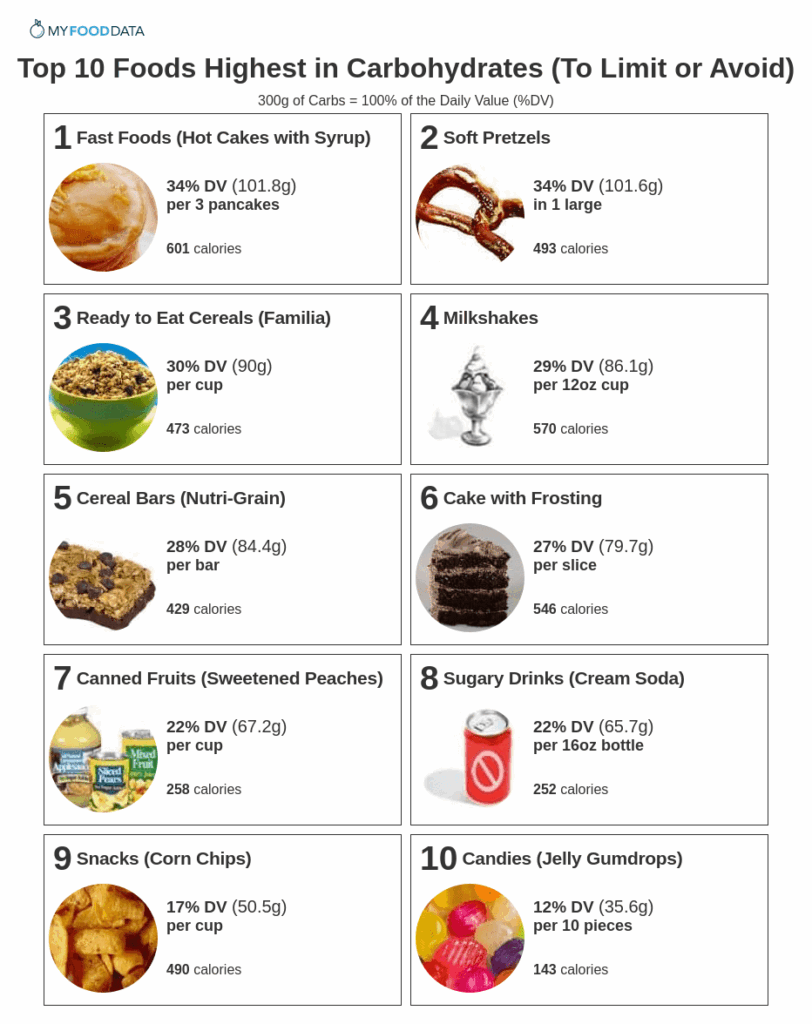
There are two types of carbohydrates: those that are beneficial for us and those that are not. The latter group includes processed foods like junk food, hydrogenated oils, and refined sugars – all considered “empty calories.” On the other hand, whole foods like fruits, vegetables, and natural sweeteners are rich in essential nutrients.
Why Carbohydrates Matter
Carbohydrates serve as a primary source of energy for our bodies. To utilize them effectively, we need to convert them into glucose. Simple carbohydrates can be easily transformed, while complex ones require more time and can be stored as reserves by our bodies.
How Much of What You Need?
Knowing how much carbohydrate to consume and how often can have significant benefits for your overall health and well-being. Here are some examples of good sources of carbohydrates:
Potato
The humble potato is a staple in many diets. To reap its nutritional benefits, it’s essential to cook it using methods that preserve its nutrients, such as baking or roasting. One 100-gram serving of potato contains approximately 27 grams of carbohydrates, along with vital vitamins B6 and C and potassium.
Banana
Bananas are an excellent source of complex carbohydrates, making them perfect for athletes and fitness enthusiasts. The ideal time to consume bananas depends on your activity level: green bananas provide sustained energy due to their higher starch content, while ripe bananas offer a quick burst of energy thanks to their higher sugar content.
Oatmeal
Avena is another excellent source of complex carbohydrates, providing approximately 50 grams per cup. It’s also rich in fiber, making it an incredibly satisfying and energizing food choice. Oatmeal can be paired with various toppings like milk, honey, banana, or fruit to create a delicious breakfast or snack.
Berries and Forest Fruits
While they may seem like small portions of carbohydrates, berries and forest fruits are packed with essential nutrients like antioxidants, vitamins, and minerals. A serving of mixed berries (such as strawberries, blueberries, raspberries) contains about 21 grams of carbohydrates, making them an excellent addition to your diet.
Legumes
Legumes, such as fava beans, lentils, chickpeas, are excellent sources of complex carbohydrates, providing around 18-25 grams per 100 grams. They’re also rich in protein and iron, making them a staple in many health diets. Make sure to include at least two servings per week.
Leafy Greens
Leafy greens like spinach, kale, collard greens contain not only carbohydrates but also fiber, vitamins, and minerals. While they may not be as high in carbs as other foods, their nutritional value makes them a great addition to your diet.
Incorporating Good Carbohydrates into Your Diet
To reap the benefits of good carbohydrates, focus on whole, unprocessed foods like fruits, vegetables, whole grains, legumes, and nuts. Aim for a balanced mix of complex and simple carbohydrates to provide sustained energy throughout the day.
Common Questions about Carbohydrates
Here are some frequently asked questions about carbohydrates:
- What is the best way to consume carbohydrates?
- The best way to consume carbohydrates depends on your individual needs and activity level. Generally, it’s recommended to focus on whole, unprocessed foods like fruits, vegetables, whole grains, legumes, and nuts.
- How much carbohydrate should I consume daily?
- The ideal daily intake of carbohydrate varies depending on factors such as age, sex, weight, height, and activity level. A general guideline is to aim for 45-65% of your total daily calories from carbohydrates.
- Can I get enough energy from complex carbohydrates alone?
- While complex carbohydrates can provide sustained energy, they may not be sufficient for high-intensity or long-duration activities. It’s often recommended to combine them with other nutrient-dense foods and fluids.
- What is the difference between simple and complex carbohydrates?
- Simple carbohydrates are easily broken down into glucose, providing a quick burst of energy. Complex carbohydrates take longer to digest, releasing energy more slowly over time.
- Can I get enough fiber from whole grains alone?
- Whole grains can be an excellent source of fiber, but they may not provide enough for everyone’s needs. Combining whole grains with other high-fiber foods like legumes and vegetables can help meet daily fiber goals.
- What is the role of glycogen in carbohydrate metabolism?
- Glycogen serves as a stored form of glucose in the liver and muscles, providing energy during periods of low food intake or physical activity.
- Can I get enough carbohydrates from plant-based sources only?
- While it’s possible to get enough carbohydrates from plant-based sources like fruits, vegetables, whole grains, legumes, and nuts, individual nutrient needs may vary depending on factors such as age, sex, weight, height, and activity level.
- What is the best way to manage carbohydrate intake during intense exercise?
- To effectively manage carbohydrate intake during intense exercise, consider consuming a mix of simple and complex carbohydrates about 1-3 hours before exercise, along with fluids containing electrolytes like sodium and potassium.
In conclusion, understanding the role of carbohydrates in our diets is essential for maintaining optimal health and well-being. By focusing on whole, unprocessed foods like fruits, vegetables, whole grains, legumes, and nuts, we can reap the benefits of good carbohydrates while minimizing empty calorie intake.
Tips to Incorporate Good Carbohydrates into Your Diet
- Eat a variety of colorful fruits and vegetables daily
- Choose whole grains over refined or processed carbs
- Include legumes in your meals at least twice a week
- Limit or avoid sugary drinks and foods high in added sugars
- Be mindful of portion sizes to maintain a balanced diet
By incorporating good carbohydrates into your diet, you can experience numerous health benefits such as improved energy levels, enhanced athletic performance, and even weight management.


