
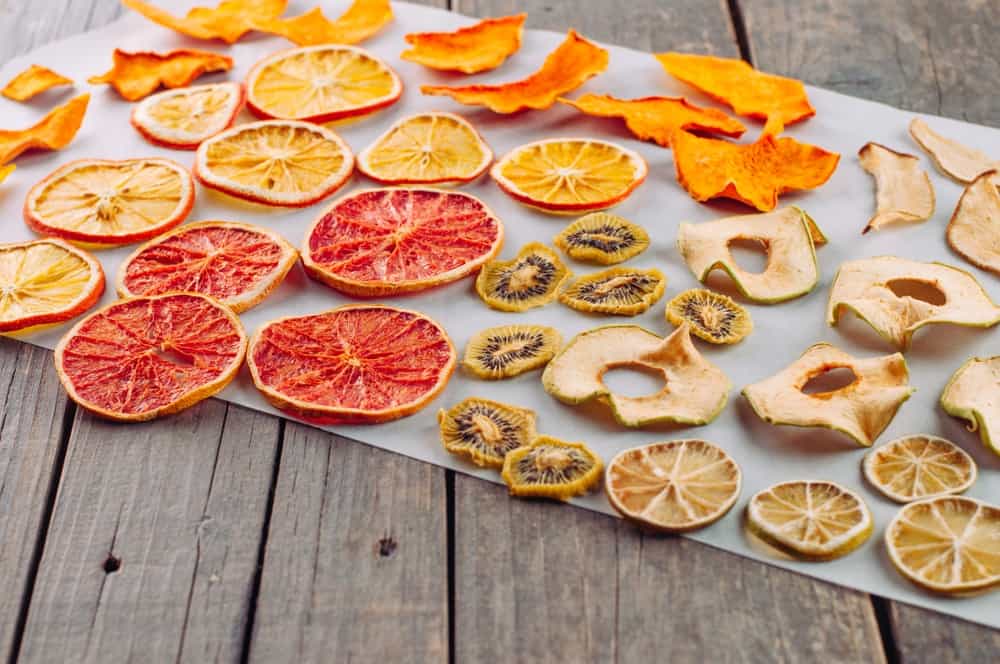
As a healthy snack option or dessert topping, dehydrated fruit is an excellent choice. However, it can be inconvenient and expensive to purchase dried fruit every time you want some. Learning how to dehydrate fruit at home can save you money and provide peace of mind.
What is Dehydration?
Before we dive into the methods, let’s explore what dehydration actually is. This ancient practice dates back thousands of years as a way to preserve fruits and vegetables before the invention of refrigeration. Dehydrating removes the water content from food, making it an extremely economical and eco-friendly method.
Dehydration preserves the nutritional value of the fruit and avoids adding preservatives like salt, sugar, or oil. The main disadvantage of dehydrated fruit is its high commercial price, but learning to do it at home eliminates this issue.
Benefits of Dehydrating Fruit
So, why should you eat dehydrated fruit? First and foremost, it’s just as nutritious as fresh fruit. When we consume dried fruits, we can be certain that we’re getting all the vitamins and minerals they naturally contain. Dried fruits don’t require any additives or preservatives.
Another advantage of eating dried fruits is their convenience. You can use them whenever you want, not limited by seasonality or freshness concerns like with fresh fruits. In fact, if you live in an area where seasonal fruit isn’t available, dehydrating allows you to enjoy your favorite fruits year-round.
What Can Be Dehydrated?
The possibilities for dehydrating are endless! You can start with classic options like prunes and cranberries or try more exotic fruits such as pineapple, mango, or strawberries. Even vegetables like carrots, beets, and zucchini can be dehydrated to make crispy snacks.
In addition to fruits and veggies, you can also experiment with herbs and spices for a delicious homemade tea blend. The options are limitless, so feel free to explore!
Choosing the Right Method
Now that we’ve covered why dehydration is beneficial and what can be dehydrated, let’s talk about methods. There are several techniques available:
- Using the sun: This method uses natural sunlight to dry out your fruits or vegetables. It’s an eco-friendly approach that doesn’t require any equipment, but you need good weather conditions.
- Oven drying: Place sliced fruit on a baking sheet lined with parchment paper and set it in a low-temperature oven (around 40°C – 60°C). Monitor the temperature to avoid over-drying.
When selecting a method, consider your time constraints, equipment needs, and desired results. While using the sun may be more cost-effective and environmentally friendly, oven drying offers more control over the dehydration process.
Preparation is Key
Regardless of which method you choose, preparation plays an essential role in successful dehydrating:
- Cut fruits and veggies: Slice your chosen fruits or vegetables into thin pieces or strips for efficient drying.
- Clean equipment: Ensure all surfaces are clean to prevent cross-contamination.
- Use the right tools: If you choose oven drying, invest in a thermometer to monitor temperature accurately.
By following these steps, you’ll be on your way to creating delicious dehydrated treats at home.
Tips and Tricks for Dehydrating Fruit
Here are some additional tips and tricks to keep in mind when dehydrating fruit:
- Monitor temperature: Keep an eye on the temperature of your oven or dehydrator, as it can affect the final texture of your dried fruits.
- Be patient: Dehydration is a slow process that requires patience. Be prepared to spend several hours drying out your fruits or vegetables.
Common Mistakes to Avoid When Dehydrating Fruit
While dehydrating fruit at home can be a fun and rewarding experience, there are some common mistakes to avoid:
- Over-drying: Avoid over-drying your fruits or vegetables, as this can make them taste bitter or unpleasantly chewy.
- Under-drying: On the other hand, under-drying can result in soft or mushy dried fruits that aren’t ideal for snacking.
Conclusion
Dehydrating fruit at home is a simple, cost-effective way to enjoy your favorite fruits and veggies year-round. By understanding what dehydration entails and exploring various methods, you can create delicious homemade snacks while reducing waste.
Whether you’re looking for convenience or simply want to explore the world of dehydrated foods, this guide has provided you with all the necessary information to get started.


