
Introduction
Garlic is a popular ingredient in many cuisines around the world. Growing garlic is a simple and cost-effective way to have a continuous supply of this flavorful bulb. In this article, we will provide you with a comprehensive guide on how to grow garlic, including the best time to plant, soil preparation, and harvesting.
Choosing the Right Variety
When it comes to growing garlic, there are several varieties to choose from. Some popular types include:
- Hardneck Garlic: This variety has a tough, woody center that forms a head when mature.
- Softneck Garlic: This variety has a soft, pliable stem and is often used for cooking.
For this article, we will focus on the most common variety of garlic: the softneck variety.
Preparing the Soil
Garlic prefers well-draining, fertile soil with a pH between 6.0 and 7.0. Before planting, it’s essential to prepare the soil by adding compost or manure to improve its fertility and drainage.
- Compost: Add 2-3 inches of compost to the soil before planting.
- Manure: Mix in 1-2 cups of well-aged manure into the soil.
- Soil testing: Test your soil pH and adjust it if necessary.
Planting Garlic
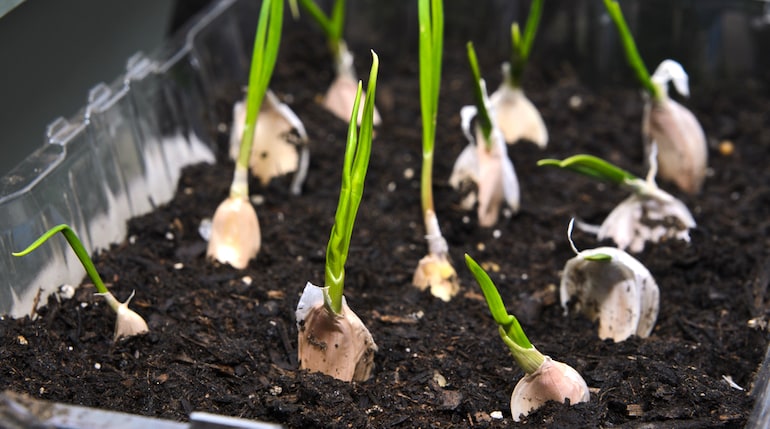
To plant garlic, you’ll need to obtain fresh garlic bulbs from an organic farm. Choose bulbs that are firm and have no signs of mold or rot. Remove the papery skin from the bulb, exposing the white base. Cut off any sprouts from the top of the bulb, leaving only three to four cloves per bulb.
- Planting depth: Plant the garlic bulbs 1-2 inches deep in the soil.
- Spacing: Space the garlic bulbs about 10 inches apart.
- Watering: Water the soil gently after planting.
Watering and Fertilization
Garlic requires consistent moisture during the growing season. Water the soil deeply once or twice a week, depending on weather conditions. During the spring growth phase, garlic needs more nitrogen-rich fertilizers. Apply a balanced fertilizer (10-10-10 NPK) according to package instructions.
- Nitrogen: Garlic needs about 1 pound of nitrogen per plant.
- Phosphorus: Phosphorus is not essential for garlic, but it can promote healthy growth.
- Potassium: Potassium helps with pest resistance and overall health.
Caring for Garlic
To ensure healthy growth and harvesting, follow these care tips:
- Mulch: Mulch around the plants to retain moisture and suppress weeds.
- Water: Water regularly, but avoid overwatering.
- Weed control: Remove weeds by hand or with a tool to prevent competition for nutrients.
- Pest control: Watch out for pests like aphids, mites, and rodents.
Harvesting Garlic
Garlic is typically ready to harvest in mid-to-late summer. When the tops of the plants begin to yellow and fall over, it’s time to dig them up. Use a fork to carefully loosen the soil around the bulb, then lift it out of the ground. Trim off any dead or damaged leaves.
- Timing: Harvest garlic when the tops of the plants turn yellow and start to fall over.
- Digging: Carefully loosen the soil around each bulb with a fork.
- Lifting: Lift the bulbs out of the ground, taking care not to damage them.
Tips for Growing Garlic
- Choose the right variety: Select a variety that suits your climate and desired use.
- Soil preparation: Prepare the soil by adding compost or manure to improve its fertility and drainage.
- Plant at the right time: Plant garlic in late winter or early spring, when the ground is workable.
- Maintain good air circulation: Garlic needs good air circulation to prevent fungal diseases.
Common Problems with Garlic
- Aphids: Aphids are small, soft-bodied insects that can infest garlic plants. Use neem oil or pyrethrin sprays to control them.
- Mites: Mites are tiny, eight-legged arachnids that feed on the sap of garlic plants. Use neem oil or insecticidal soap to control them.
- Rodents: Rodents can damage garlic bulbs by eating them. Use natural repellents like garlic spray or predator urine to deter them.
Conclusion
Growing garlic is a simple and rewarding process that requires minimal maintenance. By following these tips and guidelines, you can enjoy a bountiful harvest of delicious, homegrown garlic.
Here are eight FAQs related to growing garlic:
- Q: What is the best time to plant garlic?
A: The best time to plant garlic depends on your location. In general, it’s best to plant in late winter or early spring, when the ground is workable. - Q: How often should I water my garlic plants?
A: Garlic needs consistent moisture during the growing season. Water deeply once or twice a week, depending on weather conditions. - Q: Can I grow garlic in containers?
A: Yes, you can grow garlic in containers. Choose a large container with good drainage and follow the same care instructions as for field-grown garlic. - Q: How do I store garlic after harvesting?
A: Store garlic bulbs in a cool, dry place with good air circulation. Keep them away from direct sunlight and moisture. - Q: Can I grow garlic indoors?
A: Yes, you can grow garlic indoors. Choose a container with good drainage and provide the necessary light and temperature conditions for healthy growth. - Q: How do I control pests on my garlic plants?
A: Use physical barriers like row covers or fine mesh to prevent pests from reaching your garlic plants. You can also use organic pest control methods like neem oil or pyrethrin sprays.
Using Garlic in Cooking
Garlic is a versatile ingredient that can be used in various dishes. Here are some ideas for using your freshly harvested garlic:
- Roasted garlic: Roasting garlic mellows its flavor and makes it easier to spread on bread or use as a topping.
- Garlic soup: Blend roasted garlic with chicken or vegetable broth for a creamy, comforting soup.
- Garlic butter: Mix softened butter with minced garlic and use as a compound butter for bread, vegetables, or meats.
Growing Garlic in the Shade
If you have limited sunlight available, you can still grow garlic in partial shade. Here are some tips:
- Choose a variety that tolerates shade: Some garlic varieties like ‘Belinda’ and ‘Creole’ tolerate shade better than others.
- Provide filtered sunlight: If possible, provide filtered sunlight for your garlic plants by using a trellis or other support structure.
- Maintain good air circulation: Garlic needs good air circulation to prevent fungal diseases.
Growing Garlic in the Winter
If you live in an area with cold winters, you can still grow garlic during this time. Here are some tips:
- Choose a variety that tolerates frost: Some garlic varieties like ‘Creole’ and ‘Silverskin’ tolerate frost better than others.
- Plant garlic bulbs in late winter: Plant garlic bulbs in late winter or early spring, when the ground is workable.
- Provide protection from extreme cold: If possible, provide protection for your garlic plants from extreme cold by using a mulch or other cover material.


