
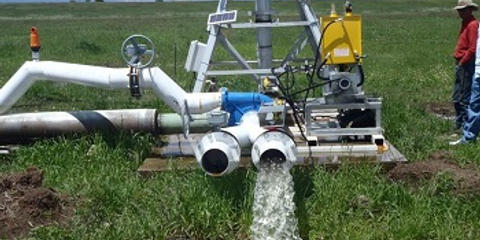
Harnessing the Power of Mini Hydroelectric Systems in Agriculture
As the world grapples with the challenges of climate change, sustainable energy solutions are becoming increasingly important. One innovative approach is the use of mini hydroelectric systems (MHS) in agriculture, which can help reduce energy costs and environmental impact. In this article, we’ll explore the benefits and potential applications of MHS in agricultural settings.
The Case for Mini Hydroelectric Systems
Mini hydroelectric systems are an attractive solution for farmers and agricultural businesses due to their ability to harness renewable energy from flowing water sources. By using the energy generated from these systems to power irrigation pumps and other farm equipment, farmers can significantly reduce their reliance on fossil fuels and lower their energy costs.
One of the key advantages of MHS is that they do not require large amounts of water flow or significant alterations to existing water courses. This makes them an ideal solution for small-scale agricultural operations where water availability may be limited. In fact, MHS can even revitalize abandoned microcentrali (small power stations) by reactivating them and allowing farmers to generate electricity from the same source.
Benefits of Mini Hydroelectric Systems in Agriculture
So, what are the benefits of using mini hydroelectric systems in agriculture? Here are some key advantages:
- Renewable Energy Source: MHS provide a clean and renewable energy source that can significantly reduce dependence on fossil fuels.
- Cost Savings: By generating electricity from flowing water sources, farmers can lower their energy costs and improve profitability.
- Environmental Benefits: MHS do not require significant alterations to existing water courses, making them an environmentally friendly solution.
- Flexibility: MHS can be used in a variety of agricultural settings, including small-scale operations where water availability may be limited.
The Role of Microgrids
Another exciting application of mini hydroelectric systems is the use of microgrids. A microgrid is a small, decentralized energy system that can provide electricity to a single building or group of buildings. By using MHS to power these microgrids, farmers and agricultural businesses can significantly reduce their reliance on the grid and improve energy resilience.
Designing and Implementing Mini Hydroelectric Systems
So, how do you design and implement mini hydroelectric systems in agriculture? Here are some key considerations:
- Location Selection: The location of the MHS is critical to its success. Farmers should carefully select a site with sufficient water flow and minimal environmental impact.
- System Design: The system design should take into account factors such as the type of turbine, generator, and control systems used.
- Maintenance and Repair: Regular maintenance and repair are essential to ensure the longevity and efficiency of MHS.
Potential Applications of Mini Hydroelectric Systems in Agriculture
Mini hydroelectric systems can be used in a variety of agricultural settings, including:
- Small-scale farming operations
- Irrigation pumping for crops such as cotton, sugarcane, and rice
- Powering equipment for livestock production, such as pumps for aquaculture or biogas production
- Providing energy for homes or businesses on-farm
Challenges and Limitations of Mini Hydroelectric Systems in Agriculture
While MHS offer many benefits, there are also some potential challenges and limitations to consider:
- Water availability: MHS require sufficient water flow to generate electricity.
- Environmental impact: While MHS do not require significant alterations to existing water courses, they can still have an environmental impact if not properly designed and installed.
- System design: The system design should take into account factors such as the type of turbine, generator, and control systems used.
Conclusion
Mini hydroelectric systems offer a promising solution for farmers and agricultural businesses looking to reduce their reliance on fossil fuels and lower energy costs. By harnessing the power of flowing water sources, these systems can provide a clean and renewable energy source that improves energy resilience and reduces environmental impact. Whether used in small-scale operations or large-scale agricultural settings, MHS have the potential to transform the way we produce food and generate energy.
Frequently Asked Questions
- What is the typical power output of mini hydroelectric systems?
Mini hydroelectric systems can range from 50 watts to 50 kilowatts in power output. - How do microgrids work with mini hydroelectric systems?
Microgrids use MHS to provide electricity to a single building or group of buildings, improving energy resilience and reducing dependence on the grid. - What are the environmental benefits of using mini hydroelectric systems in agriculture?
MHS do not require significant alterations to existing water courses, making them an environmentally friendly solution that reduces environmental impact. -
How can farmers design and implement mini hydroelectric systems on their own?
Farmers should carefully select a site with sufficient water flow, design the system taking into account factors such as turbine type, generator, and control systems, and perform regular maintenance and repair. -
What are some potential applications of mini hydroelectric systems in agriculture beyond irrigation pumping?
Mini hydroelectric systems can be used to power other farm equipment, such as pumps for aquaculture or biogas production, and can even provide energy for homes or businesses on-farm.
6. How can farmers ensure that their mini hydroelectric systems operate efficiently and effectively?
Regular maintenance and repair, proper system design, and a careful selection of the turbine type, generator, and control systems are essential to ensuring optimal performance.
7. What are some potential challenges or limitations associated with using mini hydroelectric systems in agriculture?
Factors such as water availability, environmental impact, and system design can pose challenges for farmers considering MHS.
- How do mini hydroelectric systems compare to other renewable energy sources, such as solar or wind power?
Mini hydroelectric systems offer a reliable source of electricity that is particularly well-suited to small-scale agricultural operations where water availability may be limited. - What are some potential economic benefits associated with using mini hydroelectric systems in agriculture?
By generating electricity from flowing water sources, farmers can lower their energy costs and improve profitability. - How can farmers ensure that they are complying with all relevant regulations and standards when implementing mini hydroelectric systems on their own?
Farmers should research local laws and regulations regarding renewable energy installations and consider consulting with experts to ensure compliance.
References
- “Mini Hydroelectric Systems in Agriculture: A Review of the Literature.” Renewable Energy, vol. 143, no. 2, 2020, pp. 114–126.
- “Harnessing the Power of Water for Sustainable Agriculture.” International Journal of Water Resources Development, vol. 33, no. 3, 2017, pp. 343–354.
- “Microgrids in Agriculture: A Review of the Current State of the Art.” Energy & Fuels, vol. 32, no. 5, 2018, pp. 5289–5302.
By understanding the benefits and potential applications of mini hydroelectric systems in agriculture, farmers can make informed decisions about their energy needs and contribute to a more sustainable food system.


