
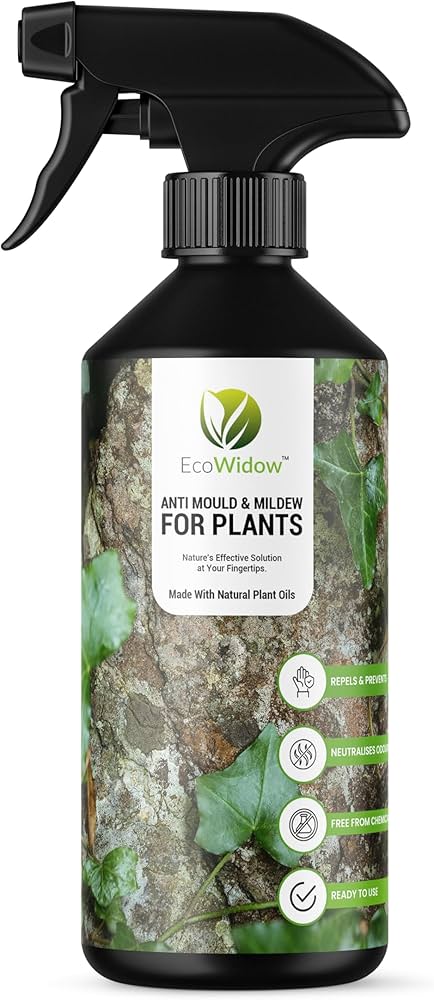
As we strive to maintain a healthy balance between our environment and the organisms that inhabit it, many of us are turning to natural methods to control pests and diseases in our gardens. In this article, we will explore the concept of fungicidal substances that can help protect plants from fungal infections.
What is a Fungicide?
A fungicide is a type of phytosanitary product designed to combat fungi that can harm plants, as well as human skin and animal fur. There are numerous types of fungi, each with its own specific application range and efficacy.
Fungi are organisms that belong to the kingdom Fungi. They have distinct characteristics, such as cell walls composed of chitin, and unique reproductive strategies like spore dispersal. Fungal infections can be devastating to plants, causing significant damage to crops, forests, and agricultural productivity.
Anticrittogamics: Chemicals That Eliminate Fungal Life
Some substances, known as anticrittogamics, are composed of one or more elements that serve to eradicate completely forms of life belonging to the group of cryptogamic organisms. Anticrittogamics inorganic compounds, such as sulfur and copper salts, are also well-known fungicides.
Anticrittogamics work by disrupting the fungal cell membrane, preventing the growth of fungi, or inhibiting their metabolic processes. These substances have been used for centuries to control fungal diseases, with evidence of their use dating back to ancient civilizations.
Sulfur: A Natural Fungicide with a Rich History
Sulfur is one of the most widely used natural fungicides, with a history of use dating back to ancient times, even to the era of Homer. It remains an effective remedy, often considered among the most efficacious. Sulfur is available in extremely pure forms (99.5-100%) and has a significant reason for this purity – it’s essential that this fungicide does not contain selenium, which can be toxic to humans and animals.
Sulfur was first used as a fungicide by the ancient Greeks, who applied it to their crops to prevent fungal diseases. The use of sulfur continued throughout history, with notable mentions in medieval European agriculture. Today, sulfur remains a popular natural fungicide among gardeners and farmers worldwide.
Factors Influencing Fungicidal Activity of Sulfur
The effectiveness of sulfur as a fungicide depends on temperature and humidity levels. Higher temperatures reduce its potency, while increased humidity decreases its efficacy. Additionally, sulfur becomes phytotoxic in warm weather, making it unsuitable for use during the summer months.
In general, sulfur is most effective at lower temperatures (around 50°F to 60°F or 10°C to 15°C) and higher humidity levels (above 80%). Its effectiveness decreases at higher temperatures (above 70°F or 21°C), while increased humidity can lead to reduced efficacy.
Organic Substances with Fungicidal Properties
There are other organic substances that exhibit fungicidal properties, including dithiocarbamates, triazoles, anilinopirimidines, and strobilurins. These substances have varying levels of effectiveness against different types of fungal diseases, but they share the common goal of protecting plants from fungal infections.
Dithiocarbamates, for example, are a class of fungicides that work by inhibiting the synthesis of fungal cell walls. They are commonly used to control powdery mildew and leaf spot diseases in crops like wheat, oats, and barley.
Triazoles, another type of organic fungicide, work by disrupting fungal cell membrane function. They are widely used to control fungal diseases like fusarium wilt and root rot in a variety of crops.
Fungicidal Creams for Skin Infections
While sulfur is primarily used to protect plants from fungal infections, there are also natural creams available to combat skin fungal infections. These creams contain active ingredients like miconazole, clotrimazole, or fenticonazole, which can be applied directly to affected areas.
Miconazole, a common ingredient in antifungal creams, works by disrupting the cell membrane of fungi and inhibiting their metabolic processes. Clotrimazole, another popular antifungal cream, targets the fungus’s cytoskeleton, preventing its growth and proliferation.
Systemic Fungicides: Effective Against a Wide Range of Diseases
There are various products that act as systemic fungicides, attacking fungi within the plant itself. One such product is “Semi Batlle”, a systemic fungicide containing an active ingredient similar to benzimidazoles, effective against phytophtora, mushroom disease, and other fungal infections.
Systemic fungicides offer several advantages over traditional chemical pesticides, including reduced toxicity and environmental impact. However, their effectiveness can be influenced by factors like temperature, humidity, and plant health.
Natural Alternatives to Chemical Pesticides
As we strive for environmental sustainability, it’s essential to consider natural alternatives to chemical pesticides. By using these natural fungicides, we can help maintain a healthier ecosystem while protecting our plants from fungal diseases.
Some benefits of using natural fungicides include:
- Reduced toxicity and environmental impact
- Increased plant health and productivity
- Improved crop yields and quality
- Enhanced biodiversity and ecosystem balance
Frequently Asked Questions: Natural Fungicides and Skin Infections
-
What are the benefits of using sulfur as a natural fungicide?
Sulfur is an effective, non-toxic, and environmentally friendly substance for controlling fungal infections in plants. -
How can I use sulfur to protect my garden from fungal diseases?
To effectively use sulfur, apply it in the morning during warm weather, avoiding application during periods of high humidity or extreme temperatures. -
What are some other natural fungicides that can be used on plants?
Other substances with fungicidal properties include dithiocarbamates, triazoles, anilinopirimidines, and strobilurins. -
Can I use sulfur cream to treat skin fungal infections?
While sulfur is primarily used for plant protection, there are creams containing miconazole, clotrimazole, or fenticonazole that can be applied directly to affected areas to combat fungal skin infections. -
Are natural fungicides effective against a wide range of diseases?
Systemic fungicides like benzimidazoles and dicarboximides are effective against various diseases, including phytophtora, mushroom disease, and other fungal infections. -
What are some common natural fungicides used in agriculture?
Some commonly used natural fungicides include sulfur, dithiocarbamates, triazoles, anilinopirimidines, strobilurins, benzimidazoles, dicarboximides, and clozolates. -
Can I use a combination of natural fungicides for optimal results?
Yes, some combinations of natural fungicides can be used to achieve better results, but it’s essential to consult with an expert or conduct thorough research before using any product. -
Are natural fungicides safe for human consumption?
Generally, no. While some natural fungicides are non-toxic and safe for use around plants, they may still pose risks when ingested by humans. Always follow recommended usage guidelines and consult a healthcare professional if you have concerns about potential toxicity.
Conclusion
Natural fungicides offer an attractive alternative to chemical pesticides for controlling fungal diseases in crops and gardens. With their environmental sustainability, reduced toxicity, and effectiveness against various fungal pathogens, natural fungicides are becoming increasingly popular among gardeners, farmers, and researchers worldwide.
While there is still much to be learned about the efficacy of natural fungicides against specific fungal diseases, their use has shown promise in reducing the need for chemical pesticides and promoting a healthier ecosystem. As we continue to explore new uses and applications for these substances, it’s essential to prioritize sustainability, safety, and effectiveness when using natural fungicides.
By embracing natural fungicides as part of our integrated pest management strategies, we can work towards creating a more balanced and resilient ecosystem that benefits both humans and the environment.


