
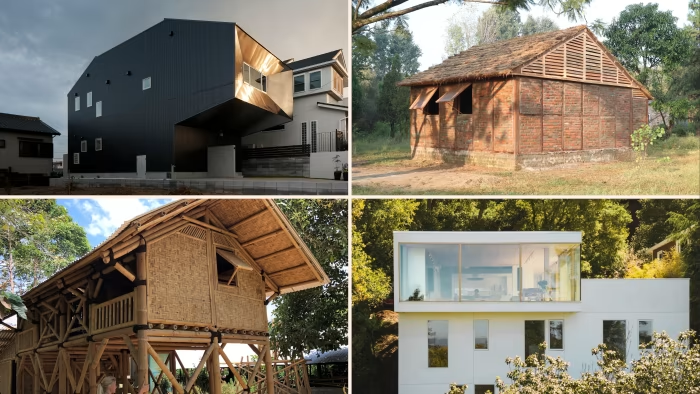
As you search for a new home, have you ever wondered about the safety of your potential abode? One question that is often overlooked is whether the house can withstand earthquakes. Just like checking the condition of an old car before buying it, inspecting a building’s seismic resistance is crucial before making a purchase or renting out a property.
In this article, we will delve into the world of earthquake-resistant houses, exploring their characteristics, building regulations, and guidelines to make your home safe from tremors.
What Are Earthquake-Resistant Houses?
An earthquake-proof house is designed to withstand seismic events by ensuring ductile behavior, allowing it to absorb vibrations produced by underground soil. This requires strict construction standards that vary depending on the location where the house will be built.
A well-designed earthquake-resistant house should have a strong foundation structure capable of responding to earthquakes without causing peripheral displacements incompatible with the limit reference state.
Characteristics of an Earthquake-Resistant House
To build an earthquake-proof house, several features are essential:
- Seismic Isolators: These devices prevent soil vibrations from reaching the building by positioning them between the foundations and structures in elevation.
- Anti-Seismic Joints: These joints help to dissipate energy during earthquakes, reducing the risk of damage or collapse.
- Energy Dissipators: Particularly useful for multi-story houses, these devices absorb seismic energy, preventing it from being transmitted to the building.
- Particular Beams: Designed to resist seismic loads, these beams intercalate in walls and ceilings to ensure structural integrity during earthquakes.
How to Make Your Own House Earthquake-Resistant
While incorporating these features into a new house’s design phase is ideal, it’s also possible to retrofit an existing structure. However, the cost of intervention can be prohibitively expensive for some homeowners.
In cases where seismic retrofitting is not feasible due to financial constraints, consider alternative solutions:
- Seismic Retrofitting: This involves upgrading the building’s foundation and structural components to improve its seismic resistance.
- Hyperstatic Structure: A well-designed hyperstatic structure with regularity in plan and height can provide rigidity and resistance while maintaining ductility.
Can Old Houses Become Earthquake-Resistant?
While it’s theoretically possible to retrofit an old house, the cost of intervention can be prohibitively expensive. In some cases, it might be more convenient to demolish and rebuild rather than attempting seismic retrofitting.
Houses Made of Concrete or Bricks: Which is Safer?
In general, houses made of bricks are considered safer during earthquakes due to their ability to absorb seismic energy. However, constructions prior to the 1980s can also pose a risk if they were built using cement-based materials.
Wooden Houses: Are They Safer?
Yes, wooden houses have shown excellent resistance to earthquake-induced vibrations. This is because wood has natural properties that allow it to dissipate seismic energy effectively.
Transforming an Old House into an Earthquake-Resistant House
Modifications to an existing structure can be costly and complex. However, there are ways to make your old house safer:
- Lighten the Roof: One of the first steps is to lighten the roof, which can help reduce the overall weight of the structure.
- Act on Foundations: Another area for improvement is the foundation itself. This may involve upgrading or reinforcing the existing structure.
Incentives for Seismic Adaptation
If you’re considering seismic retrofitting your home, there are incentives available to help offset the costs. These include tax relief programs and government subsidies.
By understanding the characteristics of earthquake-resistant houses, building regulations, and guidelines, you can make an informed decision about your new or existing home’s seismic safety. Prioritize your family’s well-being and take proactive steps to ensure their safety during earthquakes.
The Benefits of Building Seismic-Resistant Houses
Building a house that is resistant to earthquakes has numerous benefits:
- Increased Safety: The primary benefit of building an earthquake-resistant house is the increased safety it provides for its occupants.
- Reduced Property Damage: By reducing the risk of damage from earthquakes, owners can minimize losses and protect their investment.
- Longer Lifespan: A well-designed seismic-resistant house will have a longer lifespan, as it is less prone to damage from earthquakes.
The Impact of Earthquake-Resistant Construction on Community Development
Incorporating earthquake-resistant construction into community development can have significant benefits:
- Enhanced Resilience: By building homes that are resistant to earthquakes, communities can enhance their overall resilience and ability to withstand natural disasters.
- Increased Property Values: Homes built with seismic-resistance in mind can increase in value over time, making them more attractive to potential buyers.
The Role of Government Policies in Promoting Earthquake-Resistant Construction
Government policies play a crucial role in promoting earthquake-resistant construction:
- Building Codes: Governments establish building codes that require new constructions to meet specific seismic standards.
- Incentives and Subsidies: Governments offer incentives and subsidies to encourage homeowners to retrofit their existing structures or build new ones with seismic resistance.
The Importance of Education and Awareness
Education and awareness are key to promoting earthquake-resistant construction:
- Public Awareness Campaigns: Governments and organizations run public awareness campaigns to educate the public about the importance of seismic-resistance.
- Technical Assistance: Technical assistance programs provide resources and support for homeowners who need help retrofitting their existing structures or building new ones.
Best Practices for Seismic-Resistant Construction
Here are some best practices for seismic-resistant construction:
- Design Considerations: Designers should consider the site-specific seismic hazard when designing buildings.
- Material Selection: Builders should select materials that meet specific seismic standards.
- Installation Techniques: Installers should follow established installation techniques to ensure compliance with building codes.
Conclusion
Building an earthquake-resistant house is a wise decision for homeowners who want to protect their family and property from natural disasters. By understanding the characteristics of earthquake-resistant houses, building regulations, and guidelines, you can make an informed decision about your new or existing home’s seismic safety.


