
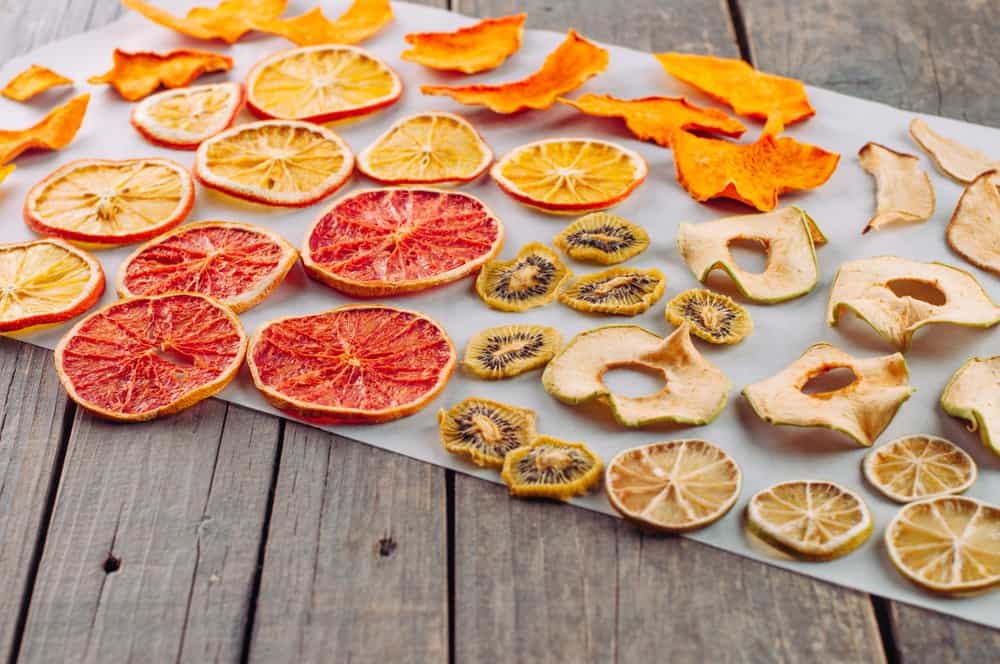
Drying Fruit at Home: A Comprehensive Guide
As we navigate the world of healthy eating and preserving food, one method that stands out is drying fruit. Not only does it save us from buying wilted or spoiled produce, but it also allows us to enjoy our favorite fruits year-round. In this article, we’ll explore the different methods of drying fruit at home, including natural sun-drying, oven drying, and using an electric dehydrator.
The Benefits of Drying Fruit
Drying fruit is a simple yet effective way to preserve it for long periods. It helps to:
- Reduce food waste: By preserving fruits, you can enjoy them throughout the year, even when they’re out of season.
- Save money on fresh produce: Purchasing dried fruits can be more cost-effective than buying fresh ones.
- Enjoy seasonal fruits all year round: Drying allows you to savor your favorite fruits regardless of their availability.
- Create healthy snacks and treats: Dried fruits are a convenient and nutritious option for snacking.
Natural Sun-Drying: The Old-Fashioned Way
Sun-drying is a traditional method that has been used for centuries. It’s free, easy to set up, and requires minimal equipment. To dry fruit using the sun, you’ll need:
- A sunny spot with good air circulation
- A wire mesh or tray to support the fruit
- Optional: a shade cloth or umbrella to prevent overexposure
To dry fruit using natural sunlight, follow these steps:
- Cut your favorite fruits into thin slices or strips.
- Place the fruit on the wire mesh or tray, making sure they don’t overlap.
- Position the fruit in a sunny spot with good air circulation.
- Bring the fruit inside at night to protect it from moisture and pests.
Oven Drying: A Convenient Alternative
While oven drying is not as common as sun-drying or using an electric dehydrator, it’s still a viable option. To dry fruit in the oven, follow these steps:
- Preheat your oven to its lowest temperature setting (usually around 150-200°F).
- Place the fruit slices on a baking sheet lined with parchment paper.
- Set the timer according to the type and thickness of the fruit:
- Thin fruits like strawberries or citrus: 2-3 hours
- Thicker fruits like apples or pears: 4-6 hours
Note that oven drying can be more expensive than sun-drying, but it allows for faster results.
Using an Electric Dehydrator
Electric dehydrators have become increasingly popular in recent years due to their convenience and efficiency. Here are some tips for using an electric dehydrator:
- Choose a dehydrator with adjustable temperature control (usually between 135-155°F).
- Set the timer according to the type and thickness of the fruit:
- Thin fruits like strawberries or citrus: 4-6 hours
- Thicker fruits like apples or pears: 8-12 hours
Tips for Successful Drying
To ensure successful drying, keep these tips in mind:
- Monitor temperature and humidity levels to prevent spoilage.
- Use a thermometer to check the temperature of your dehydrator.
- Keep an eye on the fruit’s texture and color; if it becomes too dry or develops off-flavors, stop the process immediately.
Common Challenges and Solutions
When drying fruit, you may encounter some common challenges. Here are some solutions to help you overcome them:
- Mold growth: Regularly check your fruit for signs of mold and remove any affected pieces.
- Over-drying: Keep an eye on the fruit’s texture and color; if it becomes too dry or develops off-flavors, stop the process immediately.
Drying Different Types of Fruit
Not all fruits can be dried equally. Here are some tips for drying different types of fruit:
Fruits with High Water Content (Strawberries, Pineapple)
- To dry strawberries and pineapple, reduce cooking times by 50% to prevent over-drying.
- Use a dehydrator or oven on its lowest temperature setting.
Citrus Fruits (Oranges, Lemons)
- Dry citrus fruits in thin slices to prevent charring.
- Monitor their color closely; if they become too dark, remove them from the dryer.
Berries and Other Small Fruits
- Cut berries into smaller pieces to speed up drying time.
- Use a dehydrator or oven on its lowest temperature setting.
Apples and Pears
- Dry apples and pears in thin slices to prevent over-drying.
- Monitor their texture closely; if they become too dry, remove them from the dryer.
Safety Precautions
When drying fruit, it’s essential to follow some safety precautions:
- Always check your dehydrator for proper functioning before using it.
- Be cautious when handling hot equipment and sharp objects.
- Store dried fruits in airtight containers to prevent moisture from entering.
Preserving Dried Fruit
Dried fruit can be preserved in various ways to extend its shelf life:
Airtight Containers
Store dried fruits in airtight containers, such as glass jars or plastic containers with tight-fitting lids. This helps maintain freshness and prevents pests from accessing the stored food.
Sugar-Coated Dried Fruit
Add sugar to your dried fruits before storing them. The sugar serves as a natural preservative, slowing down bacterial growth and spoilage.
Freeze-Dried Fruits
Freeze-drying removes water from the fruit, making it more durable and resistant to spoilage. Freezer-safe containers or bags can be used for storage.
Conclusion
Drying fruit is a simple yet effective way to preserve it for long periods. By understanding the different methods of drying fruit at home, including natural sun-drying, oven drying, and using an electric dehydrator, you’ll be well-equipped to enjoy your favorite fruits year-round.
Here are some frequently asked questions that address common concerns related to drying fruit:
FAQs
-
What is the best way to store dried fruit?
Store dried fruit in airtight containers to maintain freshness.
2. Can I dry fruits with high water content?Yes, but it’s essential to adjust cooking times and temperatures accordingly.
3. How do I clean my dehydrator after use?Wash the dehydrator with soap and water; for tough stains, mix equal parts water and white vinegar.
4. Can I dry fruits with pits or seeds?Remove pits and seeds before drying to prevent contamination.
5. What are some common mistakes when drying fruit?Monitor temperature and humidity levels, keep an eye on texture and color, and avoid over-drying.
By following these guidelines and tips, you’ll be well on your way to becoming a master fruit dryer. Happy preserving!


