
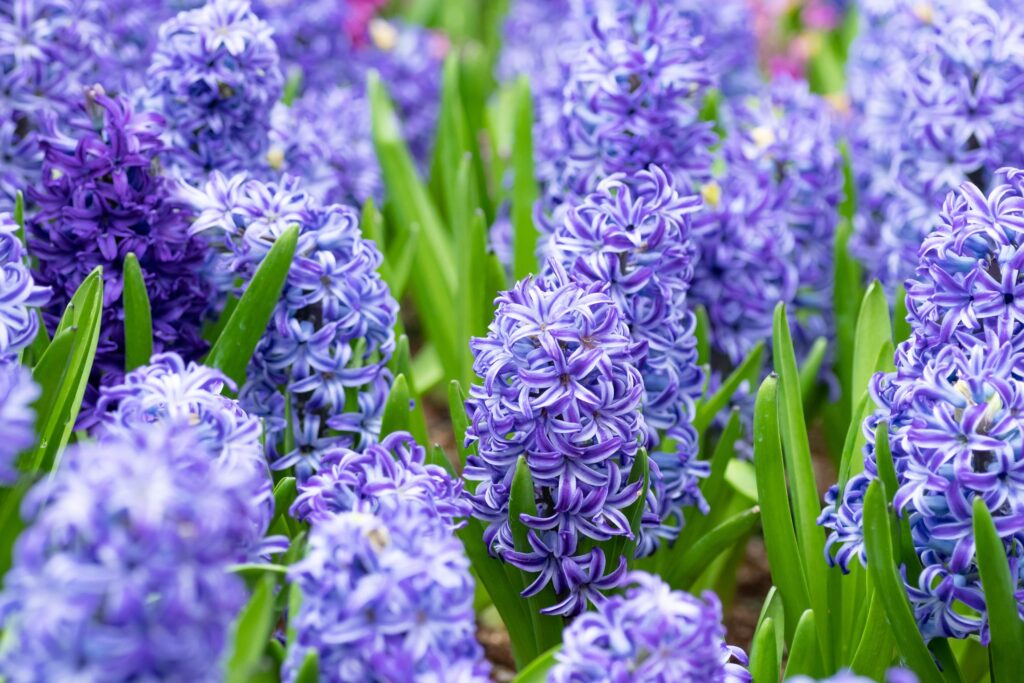
As a gardener, there’s no better feeling than enjoying a vibrant, colorful garden that changes with the seasons. Spring-blooming plants are the key to achieving this goal, as they bring color and life to your outdoor space from late winter to early summer. In this article, we’ll explore the benefits of incorporating spring-blooming plants into your garden, as well as provide tips on how to choose, care for, and maintain these beautiful additions.
Why Spring-Blooming Plants are a Must-Have
Spring-blooming plants offer several advantages over other types of flowers. For one, they provide a burst of color during the typically dull winter months, brightening up even the grayest of days. Additionally, they can help to create a sense of continuity in your garden, as their blooms can extend into the summer and early fall months.
The Best Spring-Blooming Plants for Your Garden
There are countless options when it comes to spring-blooming plants, but here are some of our favorites:
- Apple trees (Malus domestica): These iconic trees produce stunning white or pink flowers in late winter and early spring.
- Flowering cherries (Prunus avium): With their delicate, fragrant blooms, flowering cherries add a touch of elegance to any garden.
- Weeping cherry (Prunus serrulata): This ornamental tree produces showy pink or white flowers in early spring and is a popular choice for gardeners looking to create a sense of drama.
- Azaleas (Rhododendron spp.): These flowering shrubs come in a range of colors, including pink, purple, and white, and are sure to add a pop of color to your garden.
Common Challenges with Spring-Blooming Plants
While spring-blooming plants can be a wonderful addition to your garden, they do require some special care. Here are a few common challenges to watch out for:
- Overcrowding: When planting multiple spring-blooming shrubs or trees in close proximity, it’s easy for the flowers to become overgrown and lose their luster.
- Lack of maintenance: Spring-blooming plants often require regular pruning and deadheading to keep them looking their best.
Tips for Choosing the Right Spring-Blooming Plants
When selecting spring-blooming plants for your garden, consider the following factors:
- Climate: Make sure the plant you choose is suitable for your local climate.
- Soil type: Different plants require different soil types to thrive.
- Sunlight: Consider how much sunlight each plant will receive and choose accordingly.
Creating a Colorful Spring Garden
To create a stunning spring garden, follow these tips:
- Plan ahead: Choose your plants carefully and consider their growth habits and bloom times.
- Mix it up: Combine different types of flowers to create a visually interesting and dynamic display.
- Don’t forget the foliage: Incorporate plants with beautiful leaves or branches to add depth and interest to your garden.
The Benefits of Choosing Spring-Blooming Plants
Incorporating spring-blooming plants into your garden can have numerous benefits, including:
- Year-round color: By choosing plants that bloom in multiple seasons, you can enjoy a colorful garden for months on end.
- Improved air quality: Some spring-blooming plants are known to purify the air and improve local ecosystems.
Conclusion
Spring-blooming plants offer a wide range of benefits, from providing color during the typically dull winter months to creating a sense of continuity in your garden. By choosing the right plants for your climate, soil type, and sunlight conditions, you can create a stunning spring garden that will delight visitors all year round.
Frequently Asked Questions
- What are some popular spring-blooming plants?
- Apple trees (Malus domestica), flowering cherries (Prunus avium), weeping cherry (Prunus serrulata), and azaleas (Rhododendron spp.) are just a few examples of the many beautiful options available.
- How can I create a colorful spring garden?
- By planning ahead, mixing different types of flowers, and incorporating plants with beautiful foliage, you can create a stunning display that will delight visitors all year round.
- Are there any challenges to consider when choosing spring-blooming plants?
- Yes, overcrowding, lack of maintenance, and climate suitability are just a few common challenges to watch out for.
Choosing the Right Spring-Blooming Plants for Your Climate
When selecting spring-blooming plants for your garden, it’s essential to choose varieties that are suitable for your local climate. Here are some tips to help you make the right choices:
- Check the hardiness zone: Different regions have different hardiness zones, which determine how cold or warm it can get in a given area.
- Research plant requirements: Look into the specific needs of each plant, including sunlight, water, and soil requirements.
- Consult with local nurseries: Reach out to local nurseries or gardening experts for advice on choosing spring-blooming plants that will thrive in your area.
Tips for Planting Spring-Blooming Plants
When planting spring-blooming plants, here are some tips to keep in mind:
- Choose healthy plants: Make sure the plants you choose are healthy and free of pests or diseases.
- Plant at the right time: Plant your spring-blooming plants when they’re at their best, usually in early spring or late fall.
- Provide proper care: Water, fertilize, and prune your plants regularly to ensure they receive the best care.
Maintaining Your Spring-Blooming Plants
To keep your spring-blooming plants looking their best, follow these maintenance tips:
- Deadhead flowers: Remove spent blooms to encourage new growth and prevent seed production.
- Prune trees and shrubs: Prune branches to maintain shape, promote healthy growth, and encourage blooming.
- Fertilize regularly: Feed your plants with a balanced fertilizer to provide essential nutrients.
Common Pests and Diseases in Spring-Blooming Plants
While spring-blooming plants can be a wonderful addition to your garden, they do require some special care when it comes to pests and diseases. Here are some common issues to watch out for:
- Aphids: Small, soft-bodied insects that feed on plant sap.
- Slugs and snails: Slender, slimy pests that can damage leaves and flowers.
- Fungal diseases: Fungi like powdery mildew and leaf spot can infect plants.
How to Prevent Pests and Diseases
To prevent pests and diseases in your spring-blooming plants, follow these tips:
- Inspect plants regularly: Check for signs of pests or diseases on a regular basis.
- Use integrated pest management techniques: Combine physical barriers, biological control methods, and chemical controls to manage pests.
- Practice good garden hygiene: Remove weeds, debris, and infested plants to prevent the spread of disease.
Conclusion
Spring-blooming plants are a beautiful addition to any garden, providing color and life during the typically dull winter months. By choosing the right plants for your climate, soil type, and sunlight conditions, you can create a stunning spring garden that will delight visitors all year round.


