
As we navigate the world of interior design, it’s easy to get caught up in the quest for perfection. However, our pursuit of beauty and functionality often comes at a cost – namely, the loss of the natural soul of wood. In an era where chemical treatments and plasticizers have become increasingly popular, many of us are starting to question the true value of preserving our wooden treasures.
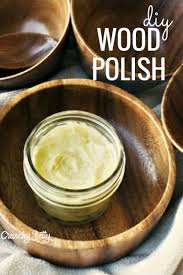
That’s why we’re excited to share with you a game-changing DIY project: natural wood polish cream. This simple, eco-friendly solution not only honors the integrity of your furniture but also adds a touch of warmth and character to any room.
The Rise of Synthetic Treatments
For years, synthetic treatments have dominated the world of wood preservation. These chemical-based products promised ease and convenience but ultimately came at a cost – sacrificing the unique charm and character that makes wood so special.
As we’ve seen time and again, these synthetic treatments often lead to an over-reliance on artificial fixes rather than embracing the natural beauty of our wooden furniture. Patination, plasticization, and vitrification have become a norm in some circles, resulting in a homogenized aesthetic that forgets the true essence of wood.
The Power of Natural Wood Polish
Fortunately, there’s an alternative – one that not only celebrates the unique qualities of wood but also harnesses its natural strengths. By embracing a DIY approach to natural wood polishing, you can unlock a world of possibilities and rediscover the authentic beauty of your wooden furniture.
In this article, we’ll delve into the world of natural wood polishing, exploring what it means to respect our treasured wooden pieces while still wanting them to shine. We’ll also provide you with a simple recipe for creating your own natural wood polish cream – using just a few ingredients and some basic kitchen tools.
The Science Behind Natural Wood Polish
So, how does this DIY approach work? The answer lies in the chemistry of wood itself. Wooden surfaces contain tiny pores that can trap moisture, dirt, and other impurities. By creating a natural polish, we’re essentially filling these pores with a gentle, nourishing substance that enhances the wood’s natural glow.
In our recipe, raw honey beeswax, tung oil, and lemon essential oil work in harmony to create a balanced blend of waxes, oils, and fragrances that gently polishes and protects your wooden furniture. This approach is based on the principles of traditional craftsmanship, where artisans would often use plant-based materials to craft beautiful pieces that stood the test of time.
The Benefits of Natural Wood Polish
Natural wood polish not only enhances the appearance of your wooden furniture but also offers a range of benefits for both you and the environment. Here are just a few reasons why natural wood polishing is an excellent choice:
- Non-toxic: Our recipe uses non-toxic ingredients that won’t harm children, pets, or the environment.
- Eco-friendly: Natural wood polish reduces waste by reusing existing materials and promoting sustainability.
- Long-lasting: With proper care, natural wood polish can last for years, eliminating the need for frequent chemical-based treatments.
The Recipe: Natural Wood Polish Cream
Ready to give natural wood polishing a try? Here’s our simple recipe for creating your own DIY cream:
Ingredients:
- 50g raw honey beeswax
- 2 tablespoons white beeswax drops
- 150ml demineralized water or natural mineral water
- 3 tablespoons tung oil
- 2 tablespoons scrape soap
- 10 drops lemon essential oil
Instructions:
- Boil the Water: Begin by boiling the water in a pot until it reaches a gentle simmer.
- Dissolve the Soap: Add the scrape soap to the boiling water and stir until dissolved.
- Mix with Blender: Use a blender or immersion tool to speed up the mixture, creating a smooth, homogeneous solution.
- Cool Down: Let the solution cool down before moving on to the next step.
- Melt the Beeswax: Meanwhile, melt the raw honey beeswax mixed with tung oil in a double boiler or a heat-proof glass bowl set over a pot of simmering water.
- Combine Mixtures: Once both mixtures have cooled down, combine them and add the essential oils for a refreshing scent.
- Pour into Containers: Pour your natural wood polish cream into containers that can be sealed airtight.
Using Your Natural Wood Polish Cream
Now that you’ve created your very own DIY wood polish cream, it’s time to put it to use! Apply a small amount to your wooden furniture using a soft cloth and gently stroke until the polish is fully absorbed.
As you work with this natural polish, remember that patience and gentle touch are key. Avoid applying too much pressure or rubbing too vigorously, as this can damage the wood.
Tips for Effective Use
- Test on an inconspicuous area first: Before applying the polish to your entire piece, test it on a small, hidden area to ensure compatibility with the type of wood and any existing finishes.
- Apply thin layers: Apply multiple thin layers of polish rather than one thick layer. This will help prevent excessive buildup and ensure an even finish.
- Buff gently: Once you’ve applied the final coat, buff the surface using a soft cloth to create a smooth, glossy finish.
Conclusion
In an era where synthetic treatments dominate the world of wood preservation, it’s refreshing to rediscover the simplicity and elegance of natural wood polishing. By embracing a DIY approach and harnessing the power of plant-based ingredients, you can unlock a world of possibilities for your treasured wooden pieces.
Join us in celebrating the beauty of nature and the art of preserving our cherished wooden treasures. With this simple recipe and some basic kitchen tools, you’re just one step away from rediscovering the authentic charm of wood – and creating a timeless piece that will stand the test of time.
Frequently Asked Questions
-
What kind of wood is suitable for natural polishing?
Any type of untreated wooden furniture can benefit from natural polishing. However, we recommend starting with softwoods like pine or fir before moving on to hardwoods.
2. How often should I reapply the polish cream?The frequency of reapplication will depend on usage and environmental factors. Generally, it’s recommended to apply a new layer every 2-3 months to maintain the natural glow of your wooden furniture.
3. Can I use this polish cream on outdoor wood?Yes, but be sure to test the recipe on an inconspicuous area first to ensure compatibility with the type of wood and environmental conditions.
4. Is it safe for children and pets?While the ingredients used in our recipe are generally considered non-toxic, we recommend keeping the polish cream out of reach of children and pets to avoid any potential accidents.
5. Can I add color or fragrance to the polish cream?Yes, but be cautious when adding new ingredients, as this can alter the natural properties of the wood. Always test a small area first before applying the polish cream to your entire piece.
By embracing the power of natural wood polishing, you’re not only enhancing the beauty and character of your wooden furniture – you’re also promoting sustainability and reducing waste. Join us in celebrating the simple yet elegant art of preserving our cherished wooden treasures!


