
As our body’s natural response to injury or infection, inflammation is a vital process that helps us recover from trauma. But what exactly is inflammation, and why does it occur?
What is Inflammation?
Inflammation is an infammary condition characterized by the swelling of tissues in response to damage or infection. It is a complex biological response involving various cells, biochemicals, and physiological changes. When we experience injury or infection, our immune system responds by releasing chemical signals, such as cytokines and prostaglandins, which trigger an inflammatory response.
Causes of Inflammation
There are several reasons why inflammation occurs:
- Infection: Bacterial, viral, or fungal infections can trigger inflammation.
- Trauma: Physical injury, such as a cut or burn, can cause inflammation.
- Chemical Irritation: Exposure to toxins or chemicals can lead to inflammation.
Symptoms of Inflammation
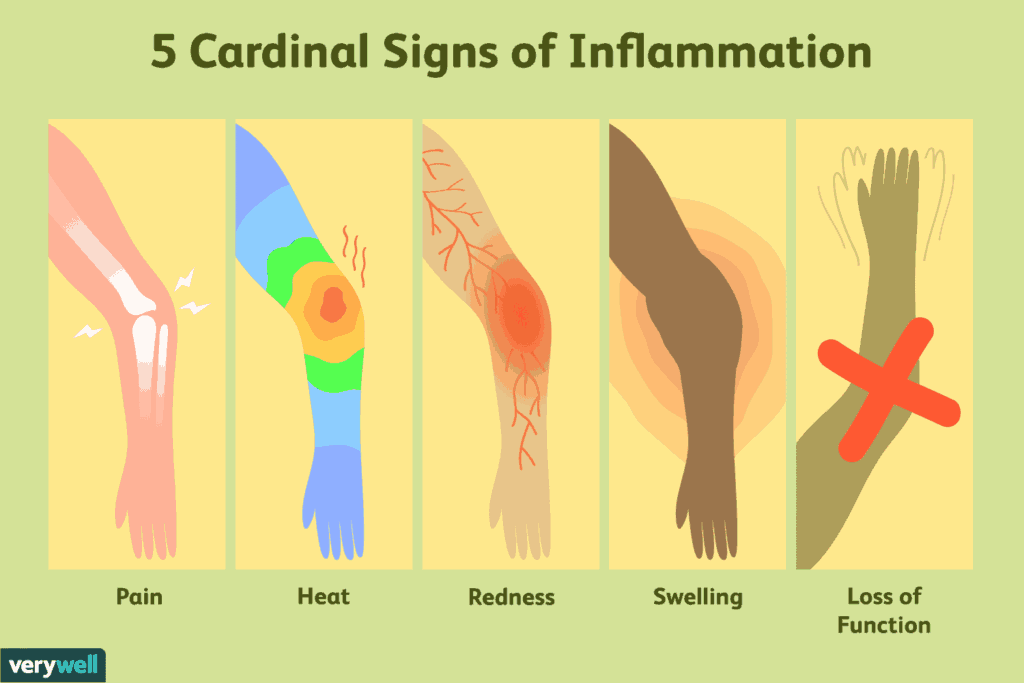
Common signs of inflammation include:
- Redness (eritema): This is one of the first symptoms of inflammation, and it’s caused by increased blood flow to the affected area.
- Swelling (edema): Fluid builds up in the tissues, leading to swelling. This can be acute or chronic.
- Pain: Inflammation causes pain, which is often a sharp, stabbing sensation.
- Limited mobility: As inflammation increases, it can limit our ability to move or perform daily activities.
Chronic vs. Acute Inflammation
Acute inflammation is a short-term response that usually resolves on its own within a few days. Chronic inflammation, however, can last for weeks, months, or even years. This type of inflammation is often associated with diseases such as arthritis, diabetes, and cardiovascular disease.
How Does the Body Respond to Inflammation?
When we’re injured or infected, our immune system responds by releasing chemical signals, such as prostaglandins, which trigger an inflammatory response. These chemicals cause blood vessels to dilate, leading to increased blood flow and swelling in the affected area. The body also releases white blood cells, known as neutrophils, to fight off the infection.
White Blood Cells
Neutrophils are a type of white blood cell that plays a crucial role in fighting infections. They engulf and digest foreign particles and bacteria, helping to eliminate them from our bodies.
Treatment Options
There are several treatment options available for inflammation, including:
- Antibiotics: For bacterial infections
- Pain Relief Medications: To manage pain and discomfort
- Anti-Inflammatory Medications: To reduce inflammation and swelling
- Immune-Modulating Therapy: To modulate the immune system’s response to inflammation
Can We Prevent Inflammation?
While it’s not always possible to prevent inflammation entirely, there are steps we can take to minimize its impact:
- Maintaining a Healthy Lifestyle: Regular exercise, balanced diet, and adequate sleep can help keep our immune system strong.
- Managing Stress: Chronic stress can weaken our immune system and increase the risk of inflammation. Practicing stress-reducing techniques such as meditation or yoga can help mitigate this effect.
Nutritional Factors
A healthy diet plays a crucial role in preventing and managing inflammation. Certain nutrients, such as omega-3 fatty acids, antioxidants, and polyphenols, have anti-inflammatory properties that can help reduce inflammation. Here are some examples of pro-inflammatory foods and how to avoid them:
- Processed Foods: These foods often contain added sugars, salt, and unhealthy fats that can contribute to chronic inflammation.
- Saturated Fats: Consuming high amounts of saturated fats can increase the risk of chronic inflammation.
Omega-3 Fatty Acids
Omega-3 fatty acids are a type of polyunsaturated fat found in fish oil. They have anti-inflammatory properties and can help reduce inflammation.
Antioxidants
Antioxidants, such as vitamins C and E, help protect our cells from damage caused by free radicals. Free radicals contribute to oxidative stress, which is associated with chronic inflammation.
Conclusion
Inflammation is an essential part of our body’s natural response to injury or infection. By understanding what causes inflammation and how it affects our bodies, we can take steps to prevent and manage its symptoms. Maintaining a healthy lifestyle, managing stress, and following a balanced diet are all crucial in preventing chronic inflammation.
Understanding the Impact of Chronic Inflammation
Chronic inflammation is associated with various diseases and conditions, including:
- Arthritis: Osteoarthritis and rheumatoid arthritis are two common forms of joint inflammation.
- Cardiovascular Disease: Chronic inflammation increases the risk of heart disease by damaging blood vessels and increasing blood pressure.
- Cancer: Some types of cancer, such as colon cancer, are associated with chronic inflammation.
Conclusion
Inflammation is a complex biological response that plays a vital role in our body’s natural response to injury or infection. By understanding the causes and symptoms of inflammation, we can take steps to prevent and manage its impact on our bodies. Maintaining a healthy lifestyle, managing stress, and following a balanced diet are all crucial in preventing chronic inflammation.


