
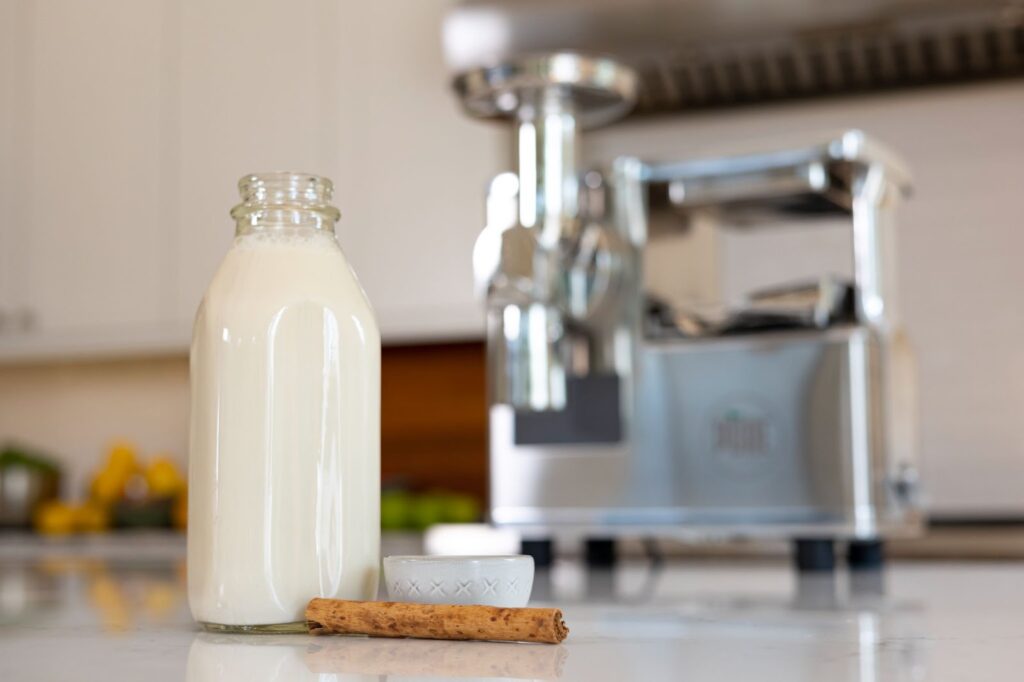
Are you looking for a healthier alternative to dairy milk? Do you want to save money and experiment with new flavors? Look no further! In this article, we’ll show you how to make plant-based milk at home using an extractor. We’ll cover three popular types of milk: almond milk, oat milk, and soy milk.
The Benefits of Making Plant-Based Milk at Home
Using an extractor to make plant-based milk has several benefits. Firstly, it’s cost-effective and allows you to control the amount of sugar and flavorings that go into your milk. Secondly, it’s healthier than buying commercial plant-based milks, which often contain additives and preservatives. Finally, making your own milk at home gives you the freedom to experiment with new flavors and recipes.
The Science Behind Plant-Based Milk Making
When you make plant-based milk at home, you’re essentially creating a liquid extract from the base ingredient (such as almonds, oats, or soybeans). The extraction process involves blending the ingredients together with water and then straining the mixture to remove any solids. This leaves you with a smooth, creamy liquid that can be flavored and sweetened to taste.
Making Almond Milk
Almond milk is one of the most popular types of plant-based milk. It’s low in calories and rich in vitamins, making it a great choice for those looking for a healthier alternative to dairy milk. To make almond milk at home, you’ll need:
- 250g of almonds
- 2 dates
- 500ml of hot water
Soak the almonds and dates in hot water for about an hour, or until they’re completely softened. Then, blend them together with a little more water to create a smooth paste. Strain the mixture through an extractor and filter it with a muslin cloth to remove any solids.
Tips for Making Almond Milk
Here are some tips to keep in mind when making almond milk at home:
- Use fresh almonds: Fresh almonds will yield a better-tasting milk than old or stale ones.
- Don’t over-soak the almonds: Soaking the almonds for too long can make them mushy and unpleasant to drink.
- Experiment with flavors: Add a pinch of salt, a squeeze of lemon juice, or a sprinkle of cinnamon to create unique flavor combinations.
Making Oat Milk
Oat milk is another popular type of plant-based milk. It’s creamy and rich in fiber, making it a great choice for those looking for a healthier alternative to dairy milk. To make oat milk at home, you’ll need:
- 3 oats
- 250ml of water
Soak the oats in water for about an hour, or until they’re completely softened. Then, blend them together with a little more water to create a smooth paste. Strain the mixture through an extractor and filter it with a muslin cloth to remove any solids.
Tips for Making Oat Milk
Here are some tips to keep in mind when making oat milk at home:
- Use rolled oats: Rolled oats will yield a creamier milk than steel-cut oats.
- Don’t over-soak the oats: Soaking the oats for too long can make them mushy and unpleasant to drink.
- Experiment with flavors: Add a pinch of salt, a squeeze of lemon juice, or a sprinkle of cinnamon to create unique flavor combinations.
Making Soy Milk
Soy milk is a classic type of plant-based milk that’s been around for decades. It’s high in protein and is often fortified with calcium and vitamins D and B12. To make soy milk at home, you’ll need:
- 250g of soybeans
- 250ml of water
Soak the soybeans in water for about an hour, or until they’re completely softened. Then, blend them together with a little more water to create a smooth paste. Strain the mixture through an extractor and filter it with a muslin cloth to remove any solids.
Tips for Making Soy Milk
Here are some tips to keep in mind when making soy milk at home:
- Use dried soybeans: Dried soybeans will yield a better-tasting milk than fresh ones.
- Don’t over-soak the soybeans: Soaking the soybeans for too long can make them mushy and unpleasant to drink.
- Experiment with flavors: Add a pinch of salt, a squeeze of lemon juice, or a sprinkle of cinnamon to create unique flavor combinations.
The Importance of Using an Extractor
An extractor is essential for making plant-based milk at home. It allows you to separate the liquid from the solids, leaving you with a smooth and creamy milk that’s free from any impurities. Without an extractor, your milk may be cloudy or grainy, which can affect its texture and taste.
How to Choose the Right Extractor
When choosing an extractor, consider the following factors:
- Material: Look for extractors made from durable materials like stainless steel or BPA-free plastic.
- Capacity: Choose an extractor with a large capacity to allow you to make multiple batches of milk at once.
- Ease of use: Opt for an extractor that’s easy to clean and maintain, with simple controls and minimal fuss.
Conclusion
Making plant-based milk at home is a great way to take control of your health and experiment with new flavors. With an extractor, you can create high-quality milks that are low in calories and rich in nutrients. Whether you’re looking for almond milk, oat milk, or soy milk, we hope this article has inspired you to give making plant-based milk at home a try.
Frequently Asked Questions
- Q: What is the best type of milk to make at home?
A: The best type of milk to make at home depends on your personal preferences and dietary needs. Almond milk, oat milk, and soy milk are all popular options. - Q: How do I clean my extractor?
A: Cleaning your extractor regularly is essential for making high-quality plant-based milk. Wash it with soap and water after each use and dry it thoroughly to prevent bacterial growth. - Q: Can I add flavorings to my plant-based milk?
A: Yes! You can experiment with different flavors and spices to create unique and delicious milks. - Q: Is making plant-based milk at home expensive?
A: Making plant-based milk at home can be cost-effective, especially if you buy ingredients in bulk. - Q: Can I store my plant-based milk in the fridge?
A: Yes! You can store your plant-based milk in the fridge for up to 3 days. - Q: How do I make oat milk without an extractor?
A: You can make oat milk without an extractor by blending oats with water and then straining it through a cheesecloth or nut milk bag. - Q: Can I use soybeans instead of almonds for making plant-based milk?
A: Yes! Soybeans can be used to make plant-based milk, but they may require more soaking time than almonds. - Q: How do I ensure the quality of my plant-based milk?
A: To ensure the quality of your plant-based milk, use filtered water, clean your extractor regularly, and store it in the fridge at a temperature below 40°F (4°C).


