
As we delve into the world of music-making, it’s hard to deny the significance of acoustic resonance. This phenomenon is at the heart of many musical instruments, providing a rich, harmonious sound that resonates within our souls.
What is Acoustic Resonance?
Acoustic resonance occurs when an external stimulus induces amplification of sound waves in a resonator, which can be mechanical or airborne. This phenomenon has practical and pleasing implications for musicians, architects, and engineers alike.
Acoustic resonance is the interaction between sound waves and a physical system, such as an instrument, building, or structure. When these two elements are in harmony, they create a symphony of vibrations that produce a rich, resonant sound. In the world of music, acoustic resonance plays a vital role in shaping the timbre, tone, and overall quality of sound produced by instruments.
How Does it Work?
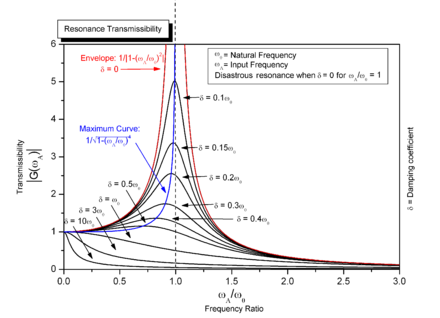
When the frequency of the external stimulus matches the natural resonance frequency of the resonator, the effect is more pronounced. The resonator absorbs incoming sound waves, storing energy that accumulates with each new input. As a result, the intensity of the sound wave increases over time.
The resonance frequency of a resonator depends primarily on its physical properties: mass, stiffness, and elasticity. For instance, the characteristic frequencies of a guitar string or a violin bow determine the instrument’s pitch range. When these frequencies align with the external stimulus, the resulting sound is amplified and enriched by the resonator.
Understanding Diapason
To simplify the concept of acoustic resonance, consider the diapason, an acoustic instrument used to standardize musical notes. A steel bar (diatonic) produces a pure tone when struck; placing it on a wooden resonator enhances the sound, creating a harmonious effect.
The diapason’s properties influence its resonance frequency. The type and configuration of the instrument also impact its acoustic characteristics. By understanding these principles, musicians can create instruments that produce rich, resonant sounds that enhance their music-making experience.
Materials Science and Acoustic Resonance
Beyond music, acoustic resonance plays a vital role in materials science. In construction, understanding resonance frequencies helps architects evaluate an edifice’s stability and potential for dynamic behavior under various loads or external influences. By analyzing these properties, engineers can design safer structures that are better equipped to withstand extreme conditions.
In the field of materials science, researchers study the acoustic properties of materials to develop new materials with improved sound-absorbing capabilities. For instance, studies on advanced composites have shown that certain materials exhibit remarkable sound absorption properties, making them suitable for use in soundproofing applications.
The Power of Music and Acoustic Resonance
In the realm of music, acoustic resonance is a fundamental concept. Musical instruments rely on resonance to produce their characteristic sounds. A typical instrument consists of three elements: a sound source, an acoustic resonator (which amplifies the sound), and impedance-adaptive components (that help transmit energy between these elements).
These components work in harmony to create a cohesive, harmonious sound that captivates our ears and minds. When we understand how acoustic resonance works within instruments, we can appreciate the intricate dance of sound waves interacting with matter.
Designing Eco-Friendly Instruments
With increasing environmental awareness, designers are turning to sustainable materials for musical instruments. By understanding acoustic resonance principles, they can craft resonators from recyclable materials while maintaining the instrument’s overall quality and aesthetic appeal.
For instance, some manufacturers are using recycled wood or bamboo to create eco-friendly instruments that not only reduce waste but also produce a rich, resonant sound. By embracing this knowledge, we can create a more harmonious coexistence between music-making and our planet.
The Role of Acoustic Resonance in Architectural Design
In architecture, acoustic resonance plays a crucial role in designing spaces that promote comfort, productivity, and well-being. By understanding how to analyze resonance frequencies, architects can evaluate edifices’ stability and potential for dynamic behavior under various loads or external influences.
For example, in the design of concert halls, acoustic engineers use complex models to simulate resonance frequencies and optimize sound quality. By ensuring that the acoustics are optimized, architects can create spaces that provide an immersive musical experience for both performers and audience members.
Understanding Acoustic Resonance in Environmental Sustainability
Acoustic resonance has significant implications for environmental sustainability. In the context of climate change, understanding how to analyze resonance frequencies can help us better understand the impact of human activities on our planet’s ecosystems.
For instance, researchers are using acoustic sensors to monitor ocean health by analyzing resonance frequencies generated by marine life. This allows scientists to track changes in ocean currents, temperature, and marine biodiversity, providing valuable insights into the state of our oceans.
Conclusion
Acoustic resonance is an essential phenomenon in various fields: music, materials science, architecture, and environmental sustainability. Its principles help us understand how sound waves interact with matter, producing the rich harmonies that enrich our lives.
In conclusion, let’s appreciate the intricate dance of sound and matter, where resonance plays a vital role in shaping our musical experiences and environmental awareness.
Frequently Asked Questions (FAQs)
Q: What is acoustic resonance, and how does it work?
A: Acoustic resonance occurs when an external stimulus induces amplification of sound waves in a resonator. The frequency of the stimulus should match the natural resonance frequency for maximum effect.
Q: How do materials influence acoustic resonance frequencies?
A: Materials’ physical properties (mass, stiffness, and elasticity) determine their characteristic frequencies, which impact the resonance of objects within them.
Q: What is diapason, and how does it relate to acoustic resonance?
A: A steel bar used in a musical instrument produces a pure tone when struck; placing it on a wooden resonator enhances the sound by amplifying its natural frequency.
Q: Can we design sustainable instruments using eco-friendly materials?
A: By understanding acoustic resonance principles, designers can craft resonators from recyclable materials while maintaining an instrument’s quality and aesthetic appeal.
Q: How does understanding resonance impact architectural design and construction?
A: Knowing how to analyze resonance frequencies helps architects evaluate edifices’ stability and potential for dynamic behavior under various loads or external influences.
Q: Can acoustic resonance affect the pitch of a musical instrument?
A: Yes, materials’ characteristics influence an instrument’s characteristic frequencies, which in turn determine its natural pitch range.
Q: How does understanding acoustic resonance apply to environmental sustainability?
A: By using recyclable materials and designing resonators that minimize waste, musicians can create eco-friendly instruments that contribute to a more harmonious coexistence between music-making and our planet.


