
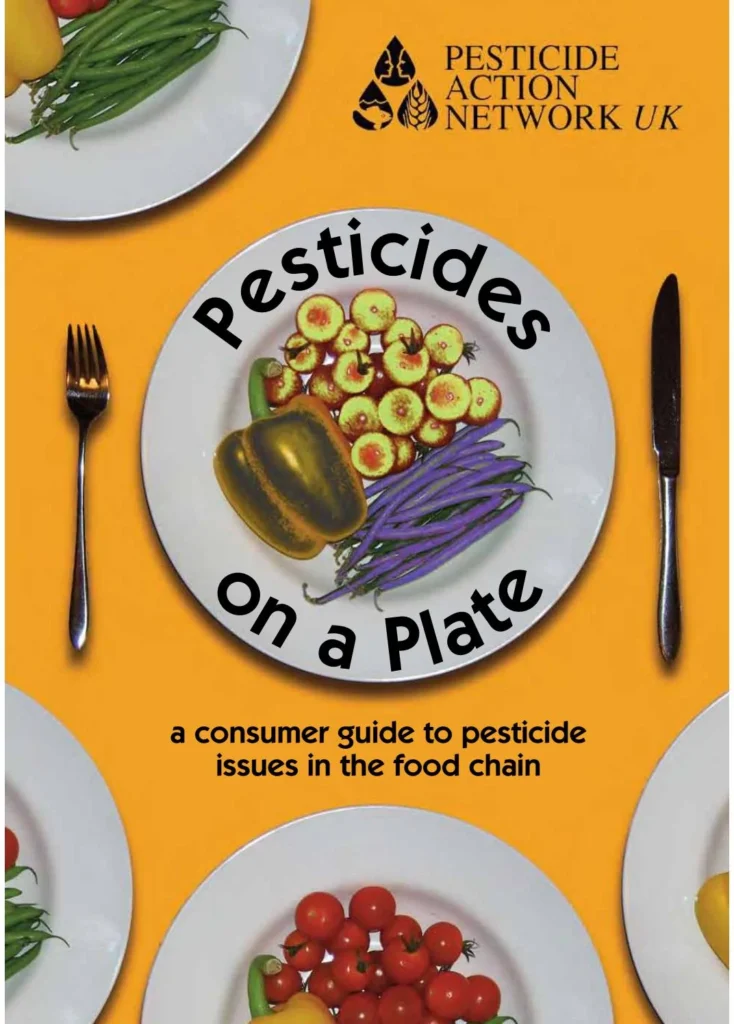
As a consumer, we often focus on the quality and safety of our food. However, there’s another critical factor to consider: the use of pesticides in agriculture. The good news is that many countries are shifting towards more sustainable and organic farming practices. But what about the risks associated with pesticide exposure? Let’s dive into the world of low-level pesticide exposure and its impact on human health.
The Dark Side of Pesticides
Pesticides are designed to kill pests, but they also pose a significant threat to our environment and health. The most concerning aspect is that even at low levels of exposure, pesticides can cause harm to our central nervous system. Research has shown that the brain’s memory and cognitive function can be impaired by pesticide exposure.
The Study Reveals the Truth
A recent study conducted by the University College London and Open University analyzed data from 1,600 participants and found strong connections between low-level pesticide exposure and cognitive decline. The study’s lead author, Dr. Sarah McKenzie Ross, emphasizes the need for new safety regulations to protect workers who handle pesticides.
The study used a combination of surveys, questionnaires, and biological samples to assess the impact of pesticide exposure on cognitive function. The researchers found that participants who reported higher levels of pesticide exposure were more likely to experience symptoms such as memory loss, forgetfulness, and decreased concentration.
The Risks Go Beyond Agriculture
Pesticides are not only used in agriculture but also in animal husbandry and aviation fuel production. This raises concerns about the widespread presence of toxic substances in our food supply. Even if the official data suggests that only 0.6% of food samples contain banned pesticides, the reality is more complex.
The Environmental Protection Agency (EPA) has reported that pesticide residues are found on over 90% of fruits and vegetables tested. These residues can come from various sources, including agricultural practices, transportation, and storage.
The Cumulative Effect
As we consume more foods, the number of toxic substances in our bodies adds up. This cumulative effect can have devastating consequences for our health. The trend towards more sustainable and organic farming practices is not just a moral imperative but also a necessary step towards protecting public health.
For example, a study published in the Journal of Exposure Science & Environmental Epidemiology found that children who consumed more fruits and vegetables were less likely to have pesticide residues in their blood. This suggests that reducing our exposure to pesticides through sustainable agriculture can have significant health benefits.
The Human Cost
The effects of pesticide exposure are far-reaching and can affect cognitive function, memory, and overall well-being. As we become increasingly aware of the risks associated with pesticides, it’s essential to take action to reduce our exposure. This includes supporting sustainable agriculture, choosing organic produce, and advocating for stricter regulations.
For instance, a study published in the Journal of Environmental Health found that workers in the agricultural industry were more likely to experience neurological problems such as numbness, tingling, and pain due to pesticide exposure. These symptoms can have long-term effects on their quality of life and productivity.
Conclusion
In conclusion, the hidden danger of pesticides is a pressing issue that requires immediate attention. By understanding the risks associated with low-level pesticide exposure and taking steps to minimize our exposure, we can protect ourselves and future generations from the devastating effects of these toxic substances.
It’s time for us to rethink our approach to agriculture and take action to reduce our reliance on pesticides. This includes supporting sustainable agriculture, choosing organic produce, and advocating for stricter regulations to protect workers who handle pesticides.
Frequently Asked Questions (FAQs)
- What are the main sources of pesticide exposure?
Pesticides are used in agriculture, animal husbandry, aviation fuel production, and other industries. However, the primary source of exposure is through food consumption.
2. How can I reduce my pesticide exposure?
Choose organic produce, support sustainable agriculture, and advocate for stricter regulations to minimize your exposure.
3. What are the symptoms of pesticide exposure?
Symptoms can include cognitive decline, memory problems, and overall well-being issues. Neurological problems such as numbness, tingling, and pain can also occur due to pesticide exposure.
4. Can pesticides be completely eliminated from food supply?
While it’s challenging to eradicate pesticides entirely, a shift towards sustainable and organic farming practices can significantly reduce their presence in our food supply.
5. Are all pesticides created equal?
No, different pesticides have varying levels of toxicity and risk. Some may be more hazardous than others.
6. Can pesticide exposure affect children and pregnant women?
Yes, children and pregnant women are particularly vulnerable to the effects of pesticide exposure due to their developing brains and bodies.
7. What role can governments play in regulating pesticide use?
Governments must establish stricter regulations, provide education on pesticide safety, and support sustainable agriculture to protect public health.
8. Can I still eat non-organic produce if I’m concerned about pesticides?
While it’s not ideal, eating non-organic produce is still better than avoiding it altogether. Look for produce that has been certified as “pesticide-free” or choose seasonal, locally grown options whenever possible.
9. Are there any alternative methods to pesticide use?
Yes, integrated pest management (IPM) techniques focus on using natural methods to control pests, reducing the need for pesticides.
10. Can I grow my own food without pesticides?
Growing your own food using sustainable practices can significantly reduce your exposure to pesticides. Consider starting a garden or joining a community-supported agriculture (CSA) program.
Breaking Down the Pesticide Industry
The pesticide industry is a multi-billion dollar market that has been criticized for its lack of transparency and accountability. To address these concerns, it’s essential to hold companies accountable for their practices and ensure that regulations are enforced consistently.
For instance, in 2019, the EPA announced plans to phase out chlorpyrifos, a widely used pesticide linked to neurological problems and developmental issues. However, some critics argue that this decision was too slow and failed to account for the full range of pesticides’ impacts on human health.
Supporting Sustainable Agriculture
One way to reduce our exposure to pesticides is by supporting sustainable agriculture practices. This includes choosing organic produce, buying locally grown food, and advocating for policies that support environmentally friendly farming methods.
Organic farming uses natural methods to control pests and weeds, reducing the need for synthetic pesticides. By supporting local farmers who use sustainable practices, we can promote a healthier food supply and reduce our exposure to toxic substances.
The Role of Governments
Governments play a critical role in regulating pesticide use and ensuring public health. This includes establishing stricter regulations, providing education on pesticide safety, and supporting sustainable agriculture initiatives.
For instance, the European Union has implemented policies aimed at reducing pesticide residues in food products. Similarly, some US states have passed laws to phase out or limit pesticide use in agricultural areas.
Conclusion
In conclusion, the hidden danger of pesticides is a pressing issue that requires immediate attention. By understanding the risks associated with low-level pesticide exposure and taking steps to minimize our exposure, we can protect ourselves and future generations from the devastating effects of these toxic substances.
It’s time for us to rethink our approach to agriculture and take action to reduce our reliance on pesticides. This includes supporting sustainable agriculture, choosing organic produce, and advocating for stricter regulations to protect workers who handle pesticides.
Together, we can create a healthier food supply and a safer environment for ourselves and future generations.


