
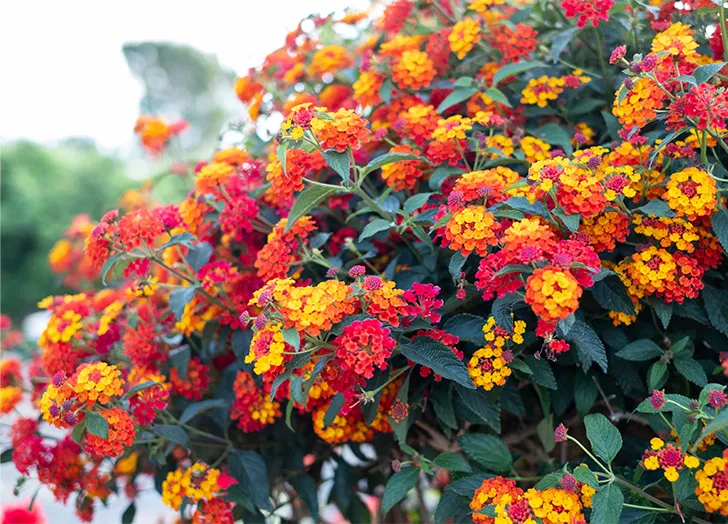
As the beautiful season arrives, gardens and balconies are filled with colors; sometimes, some plants die because they can’t handle high temperatures! To avoid wasting your efforts in caring for your garden, you should know that there are many beautiful plants available that don’t suffer from elevated temperatures and can adapt well to little water or shade. Let’s explore which plants are most resistant to heat for your garden or balcony.
Heat-Tolerant Plants
Lavender: The Ultimate Heat-Resistant Plant
Lavender is a rustic plant that doesn’t require much care. We can grow it in the garden or in pots, on balconies or terraces. It’s not necessary to water it often, and it can tolerate full sun… in short, it’s a very versatile plant! The only thing it doesn’t like is stagnant water!
Lavender blooms in spring and summer, and its flowers can be picked throughout the flowering period. Due to its fragrance, lavender attracts many bees, butterflies, and other pollinators. These insects help pollinate the plants, which means they produce seeds.
The dried flowers of lavender can be used to perfume rooms and closets. In addition, it has antiseptic properties and is often used in skincare products.
Lavender also has a strong ability to repel pests and moths, making it an excellent choice for gardens where these pests are common.
Geranium: The Colorful Heat-Tolerant Plant
Colorful geraniums are very heat-tolerant. Like lavender, geraniums also dislike frequent watering and wet soil, so make sure to pay attention to stagnant water.
The most suitable species for growing on balconies is the “Ad Edera” variety, characterized by a beautiful cascading habit. Recurrent geraniums are appreciated for their abundant flowering: if you want to add color to your balcony, you can grow them with verbena, and you’ll get a contrast of colors that will envy all passersby.
There are also zonal geraniums, which have an upright growth habit and dark spots on the leaves. If you choose this species, it’s better to fill the spaces by alternating plants with lobelia or campanulas.
Impatiens New Guinea: The Heat-Tolerant Flower
This plant presents a very abundant and prolonged flowering. The name of the genus refers to the fact that when the plant is mature, the seed capsule breaks open with just one touch, scattering seeds away.
Adaptable to gardens and balconies, it dislikes excessive wind more than heat. Impatiens New Guinea can grow well in partial shade or full sun, but it’s essential to provide enough humidity for optimal growth.
Petunia: The Heat-Tolerant Annual
Originating from South America, petunias are grown as annuals because they don’t tolerate cold. However, they can handle high temperatures and offer beautiful cascades of flowers in various color variations from mid-spring to mid-autumn.
To encourage more blooms, it’s necessary to prune the plant regularly. Pruning will increase the density of the flower spikes, leading to a greater number of blooms.
Nasturtium: The Low-Maintenance Heat-Tolerant Plant
It’s a plant that doesn’t need special care, so you’ll often find it in many gardens and flower beds. It blooms from spring to late summer producing profusely scented flowers in yellow and red tones.
Nasturtiums are edible in all their parts: flowers, leaves, and seeds are rich in vitamin C. They can be added to salads or used as pickled capers.
Orchids: Heat-Tolerant Plants
Orchids are known for their beautiful blooms and low maintenance requirements. Many orchid species are heat-tolerant and thrive in warm climates.
However, it’s essential to provide enough humidity for optimal growth. Overheating can lead to leaf drop and reduced blooming.
Bromeliads: The Tropical Heat-Tolerant Plant
Bromeliads are native to tropical regions and have adapted well to high temperatures. They require minimal care and can thrive in full sun.
To encourage more blooms, it’s necessary to provide enough humidity for optimal growth. Overheating can lead to leaf drop and reduced blooming.
African Violets: The Low-Maintenance Heat-Tolerant Plant
African violets are small plants that require minimal care. They thrive in partial shade or full sun, but they dislike excessive heat.
To encourage more blooms, it’s necessary to provide enough humidity for optimal growth. Overheating can lead to leaf drop and reduced blooming.
Frequently Asked Questions
Q: How often should I water my heat-tolerant plants?
A: Water your plants regularly, but avoid frequent and stagnant watering. It’s essential to check the soil moisture before watering, as overwatering can be detrimental to some plants.
Q: Can I grow heat-tolerant plants in areas with high humidity?
A: Yes, many heat-tolerant plants can thrive in humid environments. However, it’s crucial to ensure good air circulation around the plant to prevent fungal diseases.
Q: What is the best way to care for lavender?
A: Lavender doesn’t require much care. Water it occasionally and ensure good air circulation. Prune the plant regularly to promote bushy growth and encourage more blooms.
Q: How do I harvest petunia flowers?
A: Harvest petunia flowers regularly to encourage more blooms. Simply snip off the flowers with scissors or pinch them off with your fingers.
Q: Can I grow nasturtiums in cold climates?
A: Nasturtiums are annuals that don’t tolerate frost, so they should be grown in warm climates or started indoors before being transplanted outside.
Tips and Tricks
- Always check the specific care requirements for each plant to ensure you’re providing the best conditions.
- Prune your plants regularly to promote bushy growth and encourage more blooms.
- Water your plants regularly, but avoid frequent and stagnant watering.
- Provide enough humidity for optimal growth, especially for tropical heat-tolerant plants.
- Avoid overheating, as it can lead to leaf drop and reduced blooming.
By following these tips and choosing the right heat-tolerant plants for your garden or balcony, you’ll be able to enjoy beautiful blooms all season long!


