
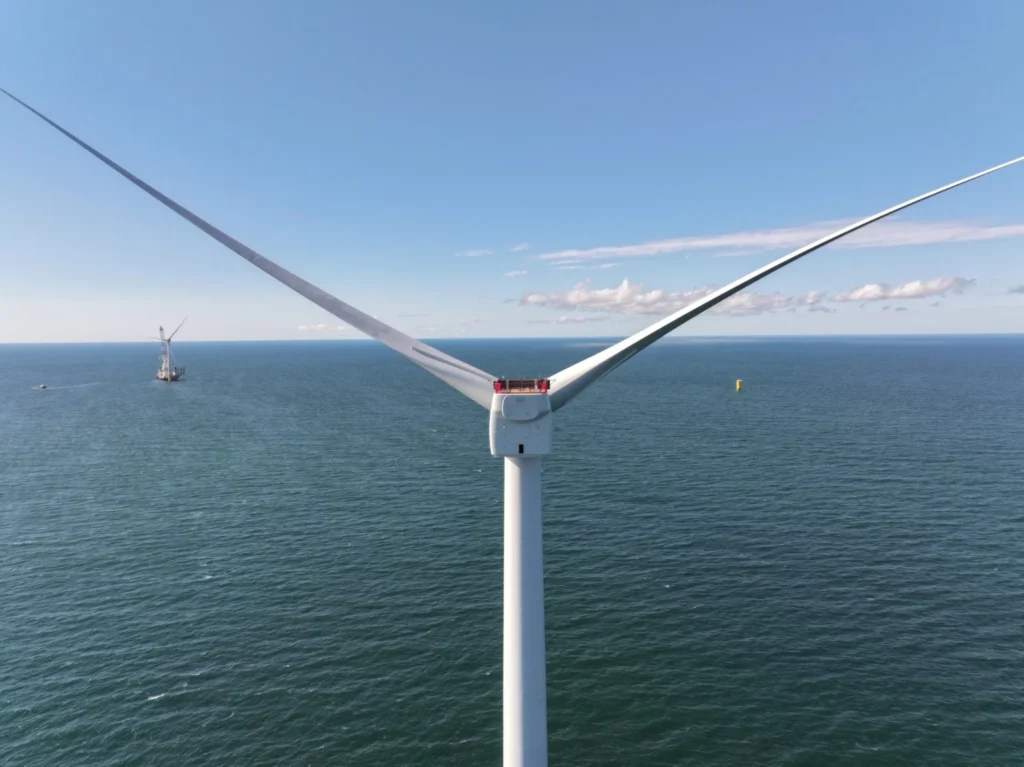
As the world grapples with the challenges of climate change, a crucial question emerges: is wind power a game-changer or a culprit in the fight against global warming? While some argue that wind energy is a vital component in reducing our reliance on fossil fuels, others claim it’s a cleverly crafted ploy to maintain the dominance of traditional energy sources. Let’s delve into the controversy surrounding wind power and explore the facts behind the debate.
The Premise: Why Wind Power Matters
Wind energy is undoubtedly one of the most cost-effective forms of renewable energy. With costs ranging from $5 to $7 per kilowatt-hour, it’s an attractive option for countries looking to reduce their carbon footprint. Take Scotland and Denmark, for instance, where wind power has become a cornerstone of their energy mix, meeting over 50% of their electricity demand.
But the benefits don’t stop there. In Sardinia, wind farms have led to significant reductions in property taxes for local residents, making it a win-win situation for both the environment and the community. So, why do some people still harbor doubts about wind power?
The Conspiracy Theory: Is Wind Power a Ploy by Fossil Fuel Interests?
A recent report by DeSmogBlog suggests that there’s a sinister plot at play, with powerful fossil fuel interests manipulating public opinion to keep wind energy in check. According to the research, this is part of a deliberate campaign to suppress investment in renewable energy and maintain the dominance of traditional energy sources.
However, it’s essential to examine the evidence behind these claims. While some critics argue that wind power is being used as a scapegoat for fossil fuel interests, others point out that the benefits of wind energy far outweigh any perceived drawbacks.
For instance, a study published by the National Renewable Energy Laboratory (NREL) found that the cost of wind energy has decreased by over 70% in the last decade, making it more competitive with traditional energy sources. This decrease in cost is largely due to advances in turbine technology and economies of scale.
The Landscape Debate: Wind Power’s Impact on the Environment
One of the most contentious issues surrounding wind power is its impact on the landscape. While it’s true that turbines can alter the natural aesthetic of a region, this criticism often overlooks the fact that wind farms can also restore habitats and promote biodiversity.
In fact, studies have shown that wind farms can actually improve local ecosystems by providing habitat for endangered species such as birds and bats. For example, a study published in the Journal of Wildlife Management found that wind turbines can provide suitable roosting sites for bats, which are an important component of many ecosystems.
Moreover, wind farms can also help to reduce the impact of human development on natural habitats. In some cases, wind farms have been built on former industrial sites or abandoned mines, providing a new use for these areas and reducing the risk of environmental degradation.
The Avifauna Debate: Wind Power’s Effect on Bird Populations
When it comes to bird populations, the debate is a bit more nuanced. While some research suggests that wind turbines can have a devastating impact on certain species, other studies argue that this effect is overstated.
In reality, the impact of wind power on birds is likely to be minimal, and many conservationists believe that the benefits of wind energy far outweigh any potential drawbacks. For example, a study published in the journal BioScience found that wind turbines are not a significant threat to bird populations, and that other human activities such as habitat destruction and pollution pose much greater risks.
Moreover, some researchers argue that wind farms can actually help to reduce bird collisions by creating more suitable habitats for birds. For instance, a study published in the Journal of Applied Ecology found that wind farms can provide corridors for migratory birds, allowing them to travel safely through agricultural landscapes.
The Global Warming Connection: Is Wind Power Contributing to Climate Change?
A recent study published by DeSmogBlog claims that wind turbines are somehow linked to global warming. The alleged culprit? Outdated turbine technology, which was developed in the 1970s and has since been replaced with more efficient models.
However, critics argue that this is a misrepresentation of the data. Instead of trying to “falsify” results, researchers are simply seeking to understand how modern wind turbines might be impacting global warming.
In reality, the impact of wind power on global warming is likely to be minimal. While some research suggests that older turbine technology could contribute to greenhouse gas emissions, this effect has been largely offset by advances in efficiency and the widespread adoption of wind energy.
Moreover, a study published in the Journal of Energy Policy found that wind power can actually help to reduce greenhouse gas emissions by providing a renewable source of energy. According to the research, if all fossil fuel-powered electricity generation were replaced with wind power, global carbon dioxide emissions could be reduced by up to 78%.
The Controversy Unravels: Separating Fact from Fiction
As we delve deeper into the debate surrounding wind power, it becomes clear that there’s a lot of misinformation floating around. While some claim that wind energy is part of a sinister plot to maintain fossil fuel dominance, others argue that this criticism is based on flawed assumptions.
The truth lies somewhere in between. Wind power is undoubtedly an important player in the transition to renewable energy, but its impact on the environment and global warming requires careful examination. By separating fact from fiction and examining the evidence, we can gain a better understanding of the complex issues at play.
Conclusion: The Great Windfall Uncovered
In conclusion, while wind power may not be without its controversies, it’s clear that the debate surrounding its impact on the environment and global warming is more nuanced than initially meets the eye. By examining the facts and separating fact from fiction, we can gain a deeper understanding of this critical component in our transition to renewable energy.
Frequently Asked Questions
- Is wind power really part of a sinister plot by fossil fuel interests?
While there may be some truth to concerns about public opinion manipulation, it’s essential to separate fact from fiction and examine the evidence before drawing conclusions. - Does wind power have a significant impact on bird populations?
The effect of wind turbines on birds is complex and multifaceted. While some species may be affected, the overall impact is likely to be minimal, and many conservationists believe that the benefits of wind energy far outweigh any potential drawbacks. - Can wind turbines really contribute to global warming?
Some research suggests that outdated turbine technology could be contributing to climate change. However, critics argue that this is a misrepresentation of the data, and more research is needed to fully understand the impact of modern wind turbines on global warming. - What’s the current state of wind power in terms of cost and efficiency?
Wind energy is one of the most cost-effective forms of renewable energy, with costs ranging from $5 to $7 per kilowatt-hour. Modern turbine technology has also improved significantly, leading to increased efficiency and reduced environmental impact. - How can we ensure that wind power is developed in an environmentally responsible manner?
To minimize the impact of wind power on the environment, developers must engage in thorough environmental impact assessments, consult with local communities, and adopt sustainable practices throughout the development process.
Recommendations for a Sustainable Future
As we move forward in our transition to renewable energy, it’s essential that we prioritize sustainability and environmental responsibility. Here are some recommendations for ensuring that wind power is developed in an environmentally responsible manner:
- Conduct thorough environmental impact assessments: Developers must conduct comprehensive environmental impact assessments to identify potential risks and mitigate them.
- Consult with local communities: Wind farm developers should engage with local communities to ensure that their concerns are addressed and that the benefits of wind energy are shared equitably.
- Adopt sustainable practices: Developers should adopt sustainable practices throughout the development process, including the use of renewable materials and minimizing waste.
- Invest in modern turbine technology: As turbine technology improves, developers should invest in the latest models to reduce environmental impact and increase efficiency.
- Promote public awareness and education: Educating the public about the benefits and risks of wind power can help to build support for this critical component of our transition to renewable energy.
By prioritizing sustainability and environmental responsibility, we can ensure that wind power is developed in a way that minimizes harm to the environment and maximizes its benefits.


