
Soil Pollution: A Growing Threat to Our Planet
The soil pollution is one of the most pressing issues facing our planet. Despite its severity, it often takes a backseat to air and water pollution in discussions about environmental degradation. However, as Maria Helena Semado, Vice Director General of the Food and Agriculture Organization (FAO), has aptly put it, “Soil pollution affects the food we eat, the water we drink, the air we breathe, and the health of our ecosystems.”
In this article, we will delve into the complexities of soil pollution, its causes, effects, and solutions. We will explore the various factors contributing to soil pollution, including the misuse of pesticides, industrial waste, and nuclear testing.
What is Soil Pollution?
Soil pollution is defined as the contamination of soil with chemicals, toxic materials, pathogens, radioactive substances, and other agents that can have detrimental effects on human health and plant life. In essence, a polluted soil is one that cannot support life. Soil pollution can compromise groundwater, surface water, and even cause catastrophic environmental disasters.
Causes of Soil Pollution
The causes of soil pollution are multifaceted and far-reaching:
- Infiltration of liquids from uncontrolled landfills: This is one of the most common causes of soil pollution.
- Interruption of hazardous waste: Improper disposal of hazardous waste can contaminate the soil.
- Industrial waste disposal: Industrial activities can generate large amounts of waste, including toxic chemicals that can pollute the soil.
- Percolation of contaminated water: Water containing pollutants can infiltrate the soil and cause further contamination.
- Subsidence from underground storage tanks: Leaks from these tanks can contaminate the soil with petroleum products and other hazardous substances.
- Excessive use of pesticides, herbicides, and fertilizers: Overuse of these chemicals can lead to soil pollution.
- Infiltration of solid waste: Solid waste can contain toxic materials that can contaminate the soil.
- Fracking (Hydraulic Fracturing): This process involves injecting high-pressure fluids into shale rock to release natural gas. The resulting wastewater often contains toxic chemicals that can pollute the soil.
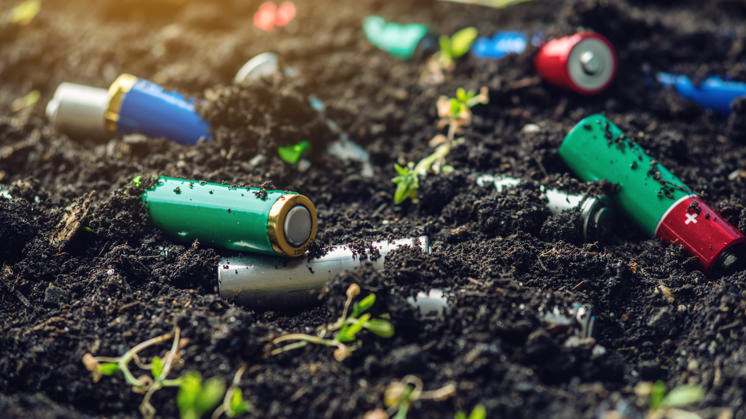
- Human activities (dispersion of plastic waste, electronic waste, batteries, and other hazardous materials): Human activities such as the disposal of electronic waste, plastic waste, and batteries can lead to soil pollution.
- Nuclear testing: Nuclear tests can contaminate the soil with radioactive substances.
Key Pollutants in Soil
The key pollutants in soil include:
- Idrocarburi del petrolio (petroleum hydrocarbons): These are toxic chemicals that can be released from underground storage tanks or spills.
- Metalli pesanti (heavy metals): These can come from industrial waste, mining activities, or the disposal of electronic waste.
- Pesticidi e solventi (pesticides and solvents): These chemicals can contaminate soil through improper disposal and overuse.
Effects of Soil Pollution
Soil pollution has far-reaching consequences for human health, agriculture, and ecosystems:
- Crops contamination: Polluted soil can affect crop growth and yield.
- Groundwater contamination: Soil pollution can lead to groundwater contamination, affecting drinking water quality.
- Human health impacts: Exposure to pollutants in soil can cause a range of health problems.
Solutions to Soil Pollution
While the causes of soil pollution are complex, there are steps that can be taken to mitigate its effects:
- Proper disposal of hazardous waste: Ensuring proper disposal of hazardous waste is essential.
- Regulations and enforcement: Strengthening regulations and enforcement mechanisms can help prevent soil pollution.
- Community awareness and education: Educating communities about the risks of soil pollution and promoting sustainable practices can help reduce its impact.
- Bioremediation: Using microorganisms to break down pollutants in soil is a promising approach.
Case Studies
Case Study: Soil Pollution in India
India has been grappling with soil pollution for decades. The country’s rapid industrialization and urbanization have led to an increase in the generation of hazardous waste, which has contaminated the soil. According to a study by the Central Institute of Toxicology (CIT), about 50% of Indian soils are contaminated with toxic substances.
Case Study: Soil Pollution in Brazil
Brazil has been facing a growing problem of soil pollution due to the expansion of agricultural activities and urbanization. The country’s fertile soils have been contaminated with pesticides, fertilizers, and other chemicals used in agriculture. According to a study by the Brazilian Federal Institute of Geosciences and Natural Resources (IG), about 30% of Brazil’s soils are contaminated with pollutants.
Conclusion
Soil pollution is a pressing issue that requires immediate attention. By understanding its causes, effects, and solutions, we can work towards mitigating its impact on our planet. We must prioritize proper waste disposal, regulations, community awareness, and bioremediation efforts to protect the health of both people and the environment.
Frequently Asked Questions (FAQs)
- What is soil pollution?
Soil pollution is the contamination of soil with chemicals, toxic materials, pathogens, radioactive substances, and other agents that can have detrimental effects on human health and plant life. - What are the main causes of soil pollution?
The main causes of soil pollution include infiltration of liquids from uncontrolled landfills, interruption of hazardous waste, industrial waste disposal, percolation of contaminated water, subsidence from underground storage tanks, excessive use of pesticides, herbicides, and fertilizers, infiltration of solid waste, fracking, human activities, and nuclear testing. - What are the key pollutants in soil?
The key pollutants in soil include idrocarburi del petrolio (petroleum hydrocarbons), metalli pesanti (heavy metals), pesticide e solventi (pesticides and solvents). - What are the effects of soil pollution?
Soil pollution can affect crop growth, groundwater contamination, and human health. - How can we mitigate soil pollution?
Proper disposal of hazardous waste, regulations and enforcement, community awareness and education, and bioremediation are some ways to mitigate soil pollution.
Soil pollution is a complex issue that requires a multi-faceted approach. By understanding its causes, effects, and solutions, we can work towards mitigating its impact on our planet.


