
As the world becomes increasingly aware of the importance of reducing energy consumption and mitigating climate change, it’s essential to understand how to improve insulation in buildings. Poor thermal insulation can lead to increased energy costs, which not only strain our wallets but also contribute to greenhouse gas emissions. In this article, we’ll explore various methods for improving insulation, from simple DIY solutions to more complex systems.
Understanding Thermal Insulation
Thermal insulation is the process of reducing heat transfer between two objects or environments. It works by minimizing convection, conduction, and radiation heat transfer, thereby reducing energy losses and gains. By improving insulation, we can significantly reduce our reliance on fossil fuels, lower our energy bills, and create a more comfortable living space.
The Science Behind Thermal Insulation
Thermal insulation relies on the principles of thermodynamics to minimize heat transfer. There are three primary methods of heat transfer:
- Conduction: Heat transfer through direct contact between objects.
- Convection: Heat transfer through the movement of fluids (gases or liquids).
- Radiation: Heat transfer through electromagnetic waves.
By reducing these forms of heat transfer, we can improve insulation and reduce energy losses.
The Power of Cappotto Termico
One popular method for improving insulation is through the use of cappotto termico (thermal blankets). This involves wrapping an external layer around a building’s structure to create a thermal barrier. By doing so, we can reduce heat transfer by up to 80%, resulting in significant energy savings.
The benefits of cappotto termico extend beyond just cost savings. It also improves the overall energy efficiency of a building, allowing it to meet stricter energy standards and increasing its value on the market. Moreover, government incentives such as ecobonus and tax deductions for energy-efficient upgrades can further boost the economic benefits of insulation.
Choosing the Right Materials
When selecting materials for insulation, it’s essential to consider both their thermal performance and environmental impact. Modern building materials offer a wide range of options, from synthetic foams like polystyrene (PS) to natural products like wool, rice hulls, and sugarcane bagasse.
Polistirene Espanso: A Sustainable Option
One popular choice for insulation is polistirene espanso (PSE), a type of foam board made from synthetic materials. PSE is known for its excellent thermal performance, durability, and affordability. However, it’s essential to note that traditional polystyrene products are derived from non-renewable resources.
Fortunately, eco-friendly alternatives like expanded polystyrene-based insulation (EPS) and recycled polyurethane foam offer more sustainable options. These materials can be produced using renewable energy sources, reducing their carbon footprint and promoting a more circular economy.
Real-World Applications
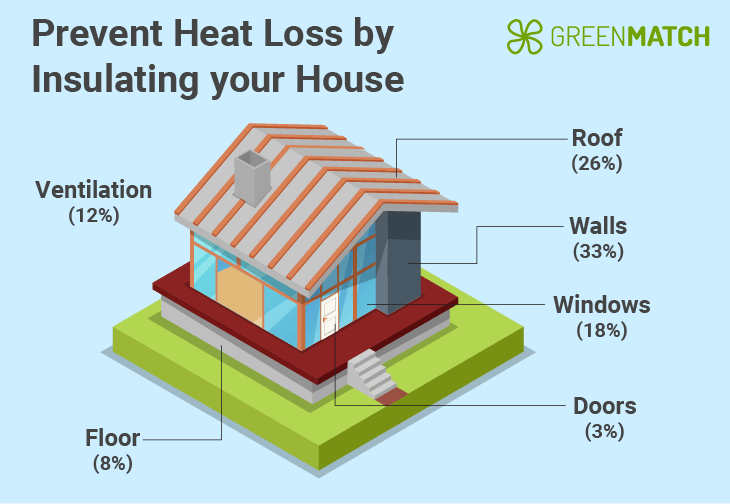
Insulation can be applied in various ways, from wall cavity filling to roofing and floor insulation. By incorporating these methods into your building design or retrofitting existing structures, you can significantly improve energy efficiency and reduce energy costs.
For instance, adding insulation to a single-family home can save homeowners between $300 and $1,000 per year on their utility bills. Similarly, retrofitted insulation in commercial buildings can result in substantial energy savings, reduced maintenance costs, and enhanced occupant comfort.
Benefits of Insulation
Improved insulation offers numerous benefits, including:
- Reduced energy consumption
- Lower energy bills
- Enhanced building value
- Improved indoor air quality
- Increased occupant comfort
Common Challenges in Insulation Installation
While improving insulation can be a straightforward process, it’s not without its challenges. Some common issues that may arise during installation include:
- Moisture damage and mold growth
- Difficulty accessing hard-to-reach areas
- Inadequate ventilation and air sealing
By being aware of these potential challenges, homeowners and building professionals can take steps to mitigate them and ensure a successful insulation installation.
Conclusion
Improving insulation is a simple yet effective way to reduce our reliance on fossil fuels, lower energy bills, and create more comfortable living spaces. By understanding the importance of thermal insulation, choosing sustainable materials, and applying real-world solutions, we can make a significant impact on our energy consumption and the environment.
Whether you’re building a new home or retrofitting an existing structure, incorporating insulation into your building design is essential for creating a more energy-efficient, comfortable, and sustainable living space.
Frequently Asked Questions (FAQs)
Q: What is cappotto termico?
A: Cappotto termico refers to a system of external wrapping or coating applied to buildings to improve thermal insulation.
Q: How effective is cappotto termico?
A: Cappotto termico can reduce heat transfer by up to 80%, resulting in significant energy savings and improved building efficiency.
Q: What are some sustainable materials for insulation?
A: Eco-friendly options like polystyrene-based insulation (EPS), recycled polyurethane foam, and natural products such as wool, rice hulls, and sugarcane bagasse offer more sustainable alternatives to traditional synthetic foams.
Q: Can insulation be retrofitted in existing buildings?
A: Yes, insulation can be applied in various ways, including wall cavity filling, roofing, and floor insulation. Retrofitting existing structures can significantly improve energy efficiency and reduce energy costs.
Q: How much can I expect to save on my utility bills by insulating my home?
A: Homeowners can save between $300 and $1,000 per year on their utility bills after adding insulation to a single-family home.
Q: Are there any government incentives for improving insulation in buildings?
A: Yes, many governments offer ecobonus and tax deductions for energy-efficient upgrades, making it more financially viable to invest in insulation.


