
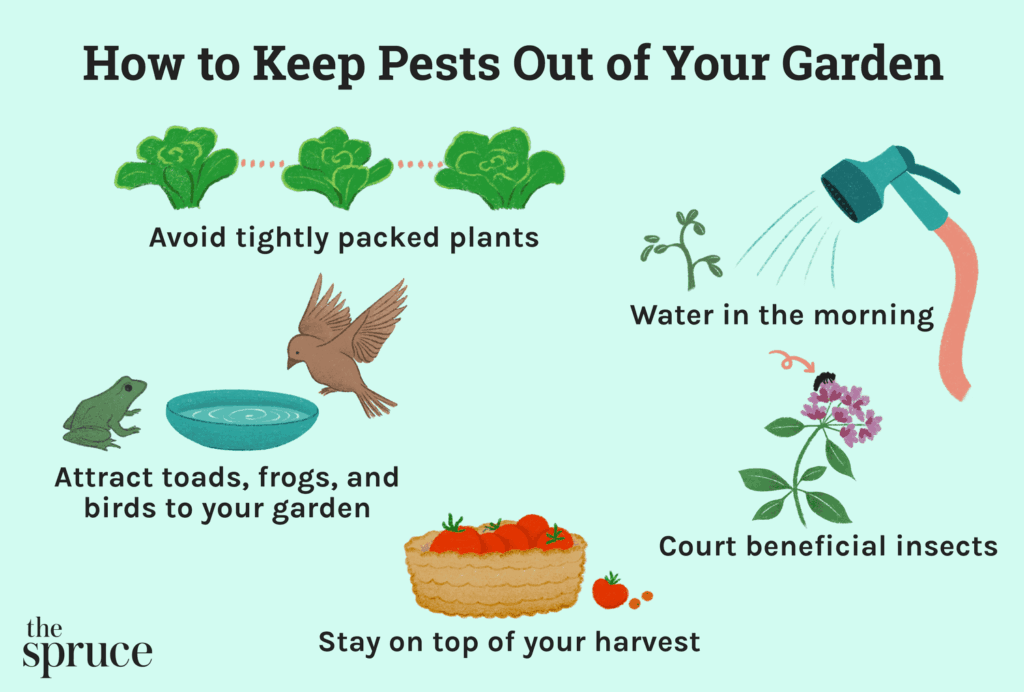
As a gardener, you know how much effort and care goes into cultivating your plants. However, pests can quickly turn the tables, causing damage to your crops and frustrating your gardening efforts. But don’t worry, there are effective natural ways to defend your garden against these unwanted visitors.
The Risks of Chemical Pesticides
While chemical pesticides may seem like an easy solution, they come with a cost. Not only do they harm the environment, but also the beneficial insects that pollinate and maintain the ecosystem. By using natural methods to control pests, you can ensure a healthier garden while protecting the delicate balance of nature.
Chemical pesticides have been shown to have negative impacts on:
- Beneficial Insects: Many chemical pesticides kill or repel beneficial insects like bees, butterflies, and ladybugs, which are essential for pollination.
- Soil Quality: Chemical pesticides can contaminate soil, affecting nutrient cycles and microbe populations that are crucial for plant growth.
- Water Pollution: Chemical pesticides can enter waterways through runoff, harming aquatic life and contaminating drinking water sources.
The Power of Companion Plants
One of the most effective ways to defend your garden against pests is by using companion plants. These special plants work together with your crops to repel or attract beneficial insects, reducing the need for pesticides. For example, planting marigolds alongside tomatoes can deter nematodes and other pests that target these plants.
Some popular companion plants include:
- Garlic: Repels aphids, mites, and other pests that can damage vegetables.
- Basil: Keeps whiteflies away from tomatoes and peppers.
- Radishes: Deter cucumber beetles, which can spread bacterial wilt.
- Nasturtiums: Attract beneficial insects like lacewings and hoverflies.
Understanding Pest Behavior
To effectively use companion plants and natural defense methods, it’s essential to understand pest behavior:
- Identify Pests: Research the pests that target your specific crops to determine the best companion plant strategies.
- Monitor for Signs of Infestation: Regularly inspect your garden for signs of pest activity to catch problems early.
- Adjust Companion Plantings: Based on pest populations, adjust companion plantings to optimize their effectiveness.
Natural Defense Methods
In addition to companion plants, there are several natural defense methods you can use to protect your garden:
- Water Blast: Use a strong jet of water to dislodge pests from plants.
- Soap Solution: Mix dish soap with water to create a solution that repels pests like aphids and mealybugs.
- Neem Oil: Apply neem oil to plants to prevent pest infestations.
Biological Controls
Biological controls, such as introducing natural predators or parasites of pests, can be an effective way to manage pest populations:
- Ladybugs: Ladybugs feed on aphids and other pests, helping to control their populations.
- Lacewings: Lacewings prey on aphids, whiteflies, and other pests that target vegetables.
- Predatory Nematodes: Predatory nematodes attack and kill pest larvae.
Physical Barriers
Physical barriers can prevent pests from reaching your crops:
- Row Covers: Row covers are lightweight fabrics that allow plants to receive light and water while keeping pests out.
- Fine-Mesh Screens: Fine-mesh screens can be used to cover individual plants or rows, preventing pests like whiteflies and aphids.
Cultural Controls
Cultural controls involve modifying gardening practices to reduce pest populations:
- Crop Rotation: Rotate crops to break the life cycle of pests that target specific plants.
- Sanitation: Remove weeds and debris, which can harbor pests, to maintain a clean garden environment.
By incorporating these natural defense methods into your gardening routine, you can protect your garden from pests while promoting a healthy ecosystem.
The Benefits of Natural Gardening
Natural gardening offers numerous benefits beyond just pest control:
- Improved Soil Health: Companion plants and natural soil amendments like compost and manure promote healthy soil biota.
- Increased Crop Yield: By reducing pest damage, you can increase your crop yield and enjoy a more bountiful harvest.
- Reduced Chemical Use: By relying on natural methods, you’ll reduce your reliance on chemical pesticides and fertilizers.
Conclusion
Protecting your garden from pests doesn’t have to mean using harsh chemicals. By incorporating companion plants, natural defense methods, and other organic gardening practices, you can create a healthy and thriving ecosystem that benefits both your crops and the environment.
By understanding pest behavior, adopting biological controls, using physical barriers, and practicing cultural controls, you can develop a comprehensive natural gardening approach that promotes a balanced garden ecosystem.


