
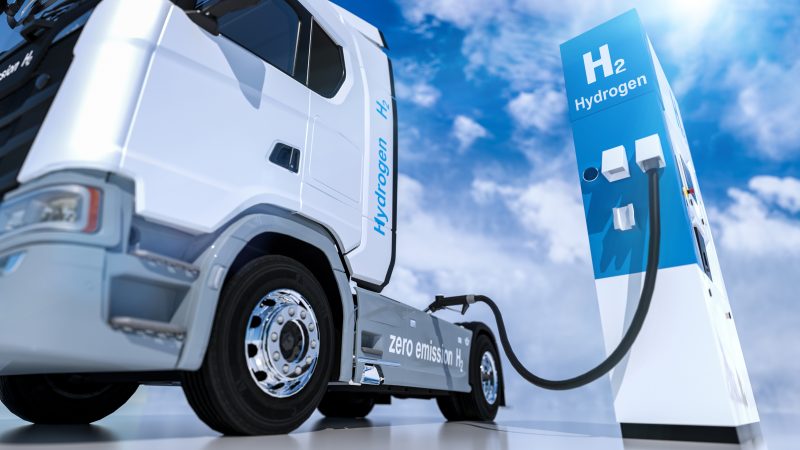
As the European Union prepares to implement its new directive on alternative fuels, the topic of hydrogen-powered cars is gaining attention. However, despite the directive’s recognition of hydrogen as one of the future’s three primary fuel sources (alongside electricity and methane or bio-methane), its implementation remains vague and largely optional.
The EU Directive: A Light Touch
In essence, the directive suggests that member states should install hydrogen refueling stations by 2025, but only for those who choose to invest in this emerging technology. In other words, it’s up to individual countries to decide whether to embrace hydrogen as a viable alternative fuel source.
The reasoning behind this light-touch approach is multifaceted. Firstly, the EU acknowledges that hydrogen production is not yet cost-competitive with traditional fossil fuels. Secondly, the infrastructure required for widespread adoption of hydrogen refueling stations is still in its infancy. Lastly, there are concerns about the environmental impact of large-scale hydrogen production, particularly if it relies on natural gas or coal.
A Closer Look at Hydrogen-Powered Cars
So what makes hydrogen-powered cars so attractive? Unlike traditional electric vehicles, which rely on batteries, hydrogen fuel cell cars can travel long distances without needing to recharge. The key lies in the storage technology used – either through fuel cells or internal combustion engines.
The latter approach, known as a hybrid system, combines an internal combustion engine with an electric motor and energy recovery system (ERS). This setup allows for improved efficiency, increased range, and reduced emissions.
Hydrogen-powered cars also offer another significant advantage: they can be used to power heavy-duty applications, such as trucks and buses. This is particularly important in the transportation sector, where emissions regulations are becoming increasingly stringent.
Cellular Batteries: A New Frontier
To understand the significance of cellular batteries in hydrogen-powered cars, let’s take a step back. Hydrogen can be used as a fuel source in two primary ways: traditional cycles or through cellular batteries, which essentially function like rechargeable batteries.
The latter approach has garnered significant attention in recent years, with researchers focusing on developing more efficient and cost-effective technologies. One promising area of research is the use of polymer electrolyte membranes (PEMs).
Polymer Electrolyte Membranes: A New Standard
So, what exactly are polymer electrolyte membranes? In simple terms, they’re devices that facilitate the conversion of chemical energy into electrical energy.
The PEM technology used in hydrogen-powered cars is particularly noteworthy, as it enables the efficient and cost-effective production of electricity from hydrogen. This innovation has far-reaching implications for the automotive industry, enabling vehicles to travel longer distances without needing to recharge.
One of the key benefits of PEMs is their flexibility. They can be designed to operate at various temperatures and pressures, making them suitable for a wide range of applications. Additionally, PEMs are highly efficient, with some estimates suggesting that they can achieve efficiency rates of up to 70%.
Overcoming Cost Barriers
While the potential benefits of hydrogen-powered cars are undeniable, there’s a major hurdle to overcome: cost. Current PEM technology is still relatively expensive, which limits its widespread adoption.
However, experts believe that economies of scale will eventually drive down production costs, making hydrogen fuel cell cars more competitive with traditional electric vehicles. In fact, some estimates suggest that the cost of PEMs could decrease by up to 50% in the coming years.
Government Support and Funding
To address the challenges associated with widespread adoption of hydrogen-powered cars, governments around the world are providing significant support and funding. For example, the European Union has committed €10 billion to developing the necessary infrastructure for hydrogen refueling stations.
Additionally, various countries have established their own programs to promote the development and deployment of hydrogen fuel cell cars. These initiatives often include funding for research and development, as well as incentives for businesses and individuals looking to invest in this emerging technology.
Private Sector Investment
While government support is crucial, private sector investment has also played a significant role in driving innovation and growth in the hydrogen industry. Companies such as Toyota, Honda, and Hyundai have all established dedicated hydrogen fuel cell divisions, which are working to develop more efficient and cost-effective technologies.
In addition, various startups and venture capital firms are emerging, focused specifically on developing new solutions for the hydrogen market. These companies often bring a fresh perspective and innovative approaches to the table, helping to accelerate progress in this rapidly evolving industry.
Challenges and Limitations
Despite the many benefits of hydrogen-powered cars, there are still several challenges and limitations that need to be addressed. One of the primary concerns is the environmental impact of large-scale hydrogen production, particularly if it relies on natural gas or coal.
Another challenge lies in the scalability of PEM technology, which needs to meet the demands of widespread adoption while maintaining efficiency and cost-effectiveness. Finally, there are issues related to infrastructure development, including the need for refueling stations and the challenges associated with storing and transporting hydrogen.
Conclusion
As the world shifts towards cleaner, more sustainable transportation options, hydrogen-powered cars are poised to play a significant role. With advancements in PEM technology and decreasing production costs, this innovative energy source is likely to gain traction in the coming years.
However, it’s essential that we address the challenges and limitations associated with widespread adoption of hydrogen-powered cars. This includes addressing environmental concerns, scaling up PEM technology, and developing infrastructure for refueling stations.
By working together to overcome these hurdles, we can unlock the full potential of hydrogen-powered cars and create a more sustainable transportation sector for generations to come.
Frequently Asked Questions (FAQs)
Q: What exactly is a hydrogen fuel cell car?
A: A hydrogen fuel cell car is an electric vehicle that uses hydrogen as its primary fuel source. The process involves the conversion of chemical energy into electrical energy, which powers the vehicle’s motors.
Q: How do hydrogen fuel cell cars compare to traditional electric vehicles in terms of performance?
A: Hydrogen fuel cell cars can offer comparable performance to traditional electric vehicles, with some models boasting similar ranges and speeds.
Q: What is the primary advantage of using a hybrid system in hydrogen-powered cars?
A: The primary benefit of using a hybrid system is improved efficiency, which enables vehicles to travel longer distances without needing to recharge.
Q: How does the production of PEMs impact the cost of hydrogen fuel cell cars?
A: Current PEM technology is still relatively expensive, but as production scales up, costs are expected to decrease, making these vehicles more competitive with traditional electric vehicles.
Q: Can hydrogen-powered cars be used for heavy-duty applications, such as trucks and buses?
A: Yes, hydrogen fuel cell cars can be used for heavy-duty applications. However, the challenges posed by large-scale storage and refueling infrastructure must still be addressed.
Q: What role will hydrogen play in the future of transportation?
A: Hydrogen is poised to become a significant player in the future of transportation, offering a cleaner-burning alternative fuel source that can support both passenger vehicles and heavy-duty applications.


