
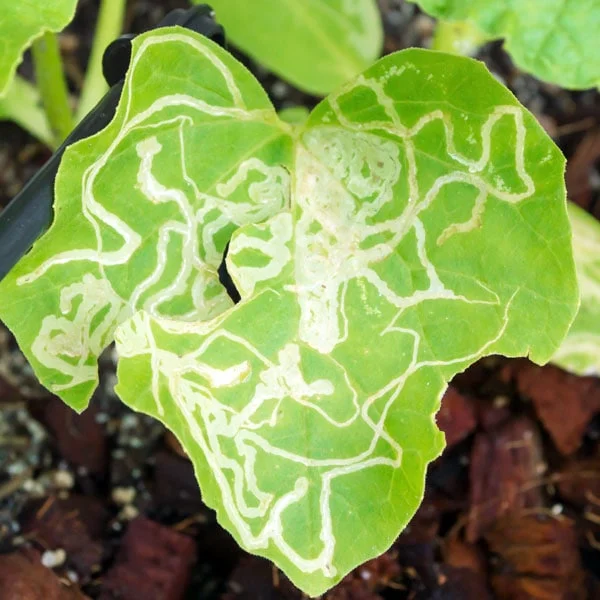
As a gardener, you’ve probably heard of the whitefly, but do you know what it is and how it affects your plants? In this article, we’ll delve into the world of these tiny insects and explore ways to prevent and treat their damage.
What are Whiteflies?
Whiteflies are small, winged insects that feed on plant sap. They belong to the family Aleyrodidae and are known for their piercing-sucking mouthparts, which allow them to extract nutrients from plants. The whitefly’s life cycle consists of three stages: egg, nymph, and adult.
The Damage Caused by Whiteflies
Whiteflies can cause significant damage to plants, particularly citrus trees. Their larvae feed on plant sap, causing holes in leaves and stems. This can lead to stunted growth, yellowing leaves, and reduced fruit production. In severe cases, whitefly infestations can kill plants.
What Plants are Affected by Whiteflies?
Whiteflies can attack a wide range of plants, including citrus trees, tomatoes, peppers, and cucumbers. They prefer plants with high sap content, such as those in the Citrus family. Other plants that may be affected include Oleaceae (oak, magnolia), Loranthaceae (mistletoe), Lauraceae (laurel), Leguminosae (legumes), Salicaceae (willow, poplar), and Tiliaceae (tilia).
Preventing Whitefly Infestations
Prevention is key when it comes to whitefly infestations. Here are some tips to help you prevent these pests:
- Avoid excessive fertilization: Whiteflies thrive in environments with high sap content. Avoid over-fertilizing your plants, as this can attract them.
- Maintain good hygiene: Regularly inspect your plants for signs of whiteflies and remove any affected leaves or stems.
- Use gentle watering techniques: Avoid using excessive water, which can create an environment conducive to whitefly infestations.
Treating Whitefly Infestations
If you do find yourself dealing with a whitefly infestation, there are several treatment options available:
- Biological control: Introduce natural predators or parasites of the whitefly, such as the Eulofide Cirrospilus pictus and Encirtide Ageniaspis.
- Chemical control: Use insecticides specifically labeled for whitefly control. However, be sure to follow all safety precautions and regulations.
Traps for Catching Whiteflies
One effective way to catch whiteflies is by using traps with feromones. These traps can be purchased online or made at home. They work by emitting a pheromone that attracts whiteflies, which are then trapped on the surface of the trap.
Natural Predators of Whiteflies
Several natural predators have been introduced to control whitefly populations, including:
- Eulofide Cirrospilus pictus: A wasp species that preys on whitefly eggs and nymphs.
- Encirtide Ageniaspis: A parasitic wasp that lays its eggs inside whitefly eggs or larvae, where they are unable to hatch.
Chemical Control Methods
Insecticides specifically labeled for whitefly control can be used to treat infestations. However, it’s essential to follow all safety precautions and regulations to avoid harming beneficial insects or the environment.
- Pyrethroid-based insecticides: Effective against adult whiteflies, but may not be effective against larvae.
- Neem oil-based insecticides: Can be used to control both adult and larval whitefly populations.
Organic Control Methods
Organic methods can also be used to control whitefly infestations. These include:
- Insecticidal soap: A gentle, non-toxic pesticide that can be used to control whiteflies.
- Horticultural oil: Can be used to suffocate adult whiteflies and prevent them from reproducing.
Conclusion
Whiteflies can be a significant threat to your plants, but with knowledge and proper prevention techniques, you can minimize their impact. By understanding what causes these pests to infest your plants and taking steps to prevent them, you can protect your crops and enjoy a healthy, thriving garden.
Frequently Asked Questions (FAQs)
- What is the most effective way to control whiteflies?
- Biological control methods, such as introducing natural predators or parasites, are often the most effective way to control whitefly populations.
- Can I use neem oil to control whiteflies?
- Yes, neem oil can be used to control whiteflies, but it should be used in combination with other methods and according to label instructions.
- How do I prevent whiteflies from infesting my citrus trees?
- Avoid excessive fertilization, maintain good hygiene, and use gentle watering techniques to prevent whitefly infestations on citrus trees.
- Can I grow whiteflies in captivity?
- Whiteflies are typically found outdoors, but they can be kept in a controlled environment with proper care and housing.
- Are there any natural predators of whiteflies?
- Yes, several natural predators of whiteflies have been introduced to control their populations, including the Eulofide Cirrospilus pictus and Encirtide Ageniaspis.
- Can I use insecticides to kill whiteflies?
- While some insecticides can be used to kill whiteflies, it’s essential to follow all safety precautions and regulations to avoid harming beneficial insects or the environment.
- How do I identify whitefly infestations on my plants?
- Whitefly infestations can cause yellowing leaves, stunted growth, and holes in leaves and stems. Regularly inspect your plants for signs of these symptoms.
By understanding the life cycle, damage caused by whiteflies, and prevention and treatment methods, you can take steps to protect your crops from this pesky pest.


