
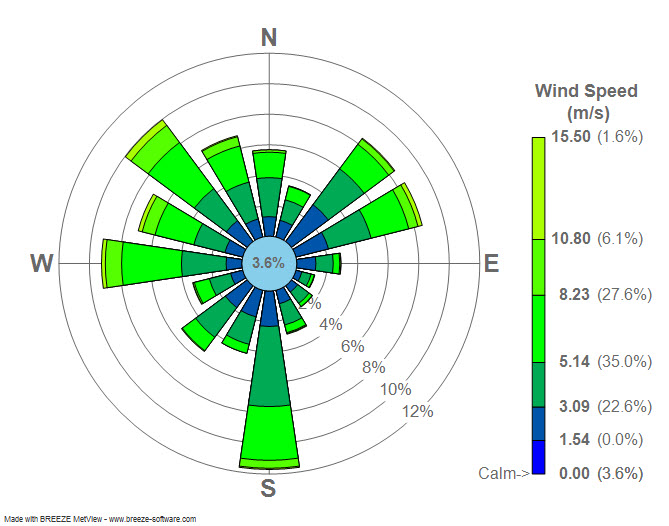
As we gaze out at the ocean, have you ever stopped to consider the mysterious patterns of wind that shape our weather and navigation? The wind rose, also known as the Rosa dei venti in Italian, is an ancient symbol used by sailors and meteorologists alike to understand and predict the direction and speed of winds. In this article, we’ll delve into the history, symbolism, and significance of the wind rose, exploring its evolution from a simple navigation tool to a complex instrument of meteorology.
What is the Wind Rose?
The wind rose is a diagram that displays the four cardinal directions (North, South, East, and West) with additional sectors representing the prevailing winds in each region. The number of points on the rose varies, typically ranging from four to 16, depending on the level of detail desired.
Origins: From Ancient Navigation to Modern Meteorology
The wind rose has its roots in ancient navigation, where sailors used simple symbols and diagrams to communicate weather patterns and predict wind direction. One of the earliest known examples is the “stella maris,” a stylized star symbol that represented the four cardinal directions. Over time, this symbol evolved into the modern wind rose.
In the Middle Ages, the wind rose became an essential tool for sailors and shipbuilders, providing a visual representation of wind patterns to inform their decisions about route planning and sail trim. As maritime trade expanded, so did the use of the wind rose, with different regions developing their own unique variations.
The Symbolism Behind the Wind Rose
The wind rose is more than just a simple diagram – it’s a powerful symbol that encapsulates our understanding of the world’s atmospheric circulation patterns. By studying the wind rose, we can gain insights into global weather patterns, climate trends, and even the movement of high and low-pressure systems.
In Ovid’s “Metamorphoses,” the Greek god Aeolus is described as having control over the winds. This mythological connection highlights the wind rose’s significance as a symbol of power and control over the forces of nature.
An Evolutionary Tool
The modern wind rose has undergone significant changes since its inception, adapting to advances in meteorology and technology. In the 18th century, the development of chronometers enabled sailors to accurately record weather observations, leading to more sophisticated wind rose designs.
Today, computer models and satellite imaging have further refined our understanding of atmospheric circulation patterns, allowing for even greater accuracy in predicting wind direction and speed. As a result, the wind rose remains an essential tool for meteorologists, naval architects, and sailing enthusiasts alike.
The Wind Rose’s Impact on Navigation and Meteorology
The wind rose has played a pivotal role in shaping the history of navigation and meteorology. By understanding wind patterns, sailors could chart safer courses, avoid treacherous weather conditions, and optimize their sail trim for optimal performance.
As a tool for predicting weather patterns, the wind rose is still widely used today. Meteorologists rely on wind data to forecast storms, track hurricanes, and monitor climate trends. The wind rose’s impact extends beyond the realm of meteorology, influencing fields such as aviation, shipping, and even urban planning.
Case Studies: Historical Examples
- The Viking Navigation Tools: The Vikings used simple navigation tools, including the wind rose, to navigate across vast distances. Their knowledge of atmospheric circulation patterns allowed them to reach distant lands with remarkable accuracy.
- The Age of Sail: During the 18th and 19th centuries, the wind rose played a crucial role in maritime trade. Ships relied on accurate predictions of wind direction and speed to optimize their sail trim and avoid treacherous weather conditions.
- Modern Meteorology: Today, computer models and satellite imaging have further refined our understanding of atmospheric circulation patterns. The wind rose remains an essential tool for meteorologists, providing valuable insights into global weather patterns and climate trends.
Using the Wind Rose in Modern Times
While technology has advanced significantly since the dawn of navigation, the wind rose remains a timeless symbol that offers insights into global weather patterns and climate trends. Here are some ways to use the wind rose in modern times:
- Sailing Enthusiasts: Sailors can use the wind rose to optimize their sail trim and navigate safely.
- Meteorologists: Meteorologists rely on wind data to forecast storms, track hurricanes, and monitor climate trends.
- Aviation: Wind patterns are essential for aviation, influencing flight planning and safety.
Conclusion
The wind rose is a timeless symbol that has evolved over centuries, adapting to advances in technology and our understanding of atmospheric circulation patterns. From ancient navigation tools to modern meteorological instruments, the wind rose remains an essential component of weather forecasting and navigation. By embracing this rich history and symbolism, we can gain a deeper appreciation for the complex forces that shape our world.
Frequently Asked Questions
- What is the purpose of the wind rose?
The wind rose serves as a tool for understanding and predicting wind direction and speed, providing essential information for navigation, meteorology, and climate research. - How does the wind rose work?
The wind rose displays the four cardinal directions with additional sectors representing prevailing winds in each region, allowing users to identify wind patterns and make informed decisions about route planning and sail trim. - What is the history of the wind rose?
The wind rose has its roots in ancient navigation, evolving over centuries through various design changes and technological advancements. - Is the wind rose still relevant today?
Yes, the wind rose remains an essential tool for meteorologists, naval architects, and sailing enthusiasts alike, providing valuable insights into global weather patterns and climate trends. - Can I create my own wind rose?
While the traditional wind rose design has been refined over centuries, you can create your own custom wind rose using a combination of software tools and geographic information systems (GIS). - How accurate is the modern wind rose?
The accuracy of the modern wind rose depends on various factors, including the quality of input data, computational models, and satellite imaging. - What are the benefits of studying the wind rose?
Studying the wind rose offers insights into global weather patterns, climate trends, and atmospheric circulation patterns, as well as the movement of high and low-pressure systems. - Can I use the wind rose for personal navigation or sailing?
Yes, the wind rose is still an essential tool for sailors, offering valuable information about wind direction and speed to optimize sail trim and navigate safely.
Additional Resources
- The National Weather Service (NWS) provides detailed information on wind patterns and climate trends.
- The World Meteorological Organization (WMO) offers resources on wind forecasting and atmospheric circulation patterns.
- The International Hydrographic Organization (IHO) provides guidelines for wind rose design and navigation.


