
Introduction
In a groundbreaking achievement, Tokelau, a small island nation in the Pacific Ocean, has become the first country to meet its entire energy needs with solar power. After completing its renewable energy project, the island of Tokelau has suspended the use of its diesel generators, marking a significant milestone in the transition to sustainable energy. In this article, we will delve into the details of Tokelau’s journey to becoming a solar-powered nation and explore the implications of this achievement.
A Brief History
Tokelau’s journey to renewable energy began with the installation of a community-owned wind farm called Heoburn, which was completed in 2007. The project marked the beginning of Tokelau’s transition towards sustainable energy sources, setting a precedent for other Pacific island nations. In 2012, Tokelau embarked on an ambitious project to harness solar power and meet its entire energy needs.
The Project
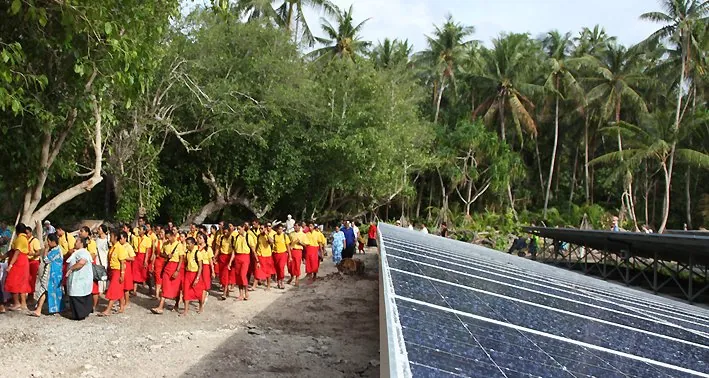
With a budget of $5.5 million USD (NZ$7 million), Tokelau installed over 4,000 solar panels with a combined capacity of 1 megawatt. The project aimed to reduce the island’s reliance on diesel generators and mitigate the negative environmental impacts associated with fossil fuel consumption. According to sources, the solar power system covers over 90% of the island’s energy needs, while the remaining 7% is met by biofuels.
The Impact
Tokelau’s decision to switch to renewable energy has had a profound impact on the environment and the community. By eliminating the use of diesel generators, the island has reduced its greenhouse gas emissions and air pollution. The project has also improved the lives of Tokelau’s residents by reducing their energy costs and improving overall quality of life.
One of the most significant benefits of Tokelau’s renewable energy project is the reduction in greenhouse gas emissions. According to sources, the island’s carbon footprint has been reduced by over 90%, significantly contributing to the global effort to mitigate climate change. Additionally, the elimination of diesel generators has improved air quality on the island, reducing respiratory problems and other health issues associated with air pollution.
The Benefits of Renewable Energy
Renewable energy offers numerous benefits, including reduced greenhouse gas emissions, improved air quality, and lower energy costs. In the case of Tokelau, the project has also helped to reduce the island’s dependence on imported fuels, improving its economic prospects.
Moreover, renewable energy can help create jobs and stimulate local economies. The installation of solar panels in Tokelau created employment opportunities for local residents, contributing to the island’s economic growth. Additionally, the reduced reliance on fossil fuels has improved the island’s trade balance, allowing it to import fewer fuels from other countries.
The Future
Tokelau’s success serves as a model for other Pacific island nations and countries around the world. As concern about climate change and sustainable energy continues to grow, countries are turning to renewable energy sources like solar power to meet their energy needs. Tokelau’s leadership in this area demonstrates that it is possible to transition away from fossil fuels and achieve a more sustainable future.
Challenges and Lessons Learned
While Tokelau’s success is remarkable, there were challenges along the way. The project required significant funding, which was sourced through international aid and loans. Additionally, the installation of solar panels posed logistical challenges, including transporting materials to remote locations.
However, these challenges have provided valuable lessons for other countries looking to transition to renewable energy. For example, Tokelau’s experience highlights the importance of community engagement and ownership in renewable energy projects. The project was funded by a community-owned fund, which ensured that the benefits of renewable energy were shared equitably among residents.
Conclusion
Tokelau’s achievement in becoming the first solar-powered nation is a significant milestone in the transition to renewable energy. As countries around the world strive to reduce their carbon footprint and improve their sustainability, Tokelau’s example serves as a powerful reminder of the potential for sustainable energy to transform lives and communities.
In conclusion, Tokelau’s journey to renewable energy demonstrates that it is possible to meet entire energy needs with solar power. The project has improved the lives of residents, reduced greenhouse gas emissions, and provided economic benefits. As countries look to transition away from fossil fuels, they would do well to follow Tokelau’s example and explore the potential of renewable energy.
FAQs
- What is Tokelau’s current energy mix?
Tokelau’s energy mix consists primarily of solar power, with over 90% of its energy needs covered by solar panels. - How did Tokelau transition away from diesel generators?
Tokelau completed a renewable energy project that installed over 4,000 solar panels with a combined capacity of 1 megawatt. - What was the cost of the project?
The project was funded with a budget of $5.5 million USD (NZ$7 million). - How much energy does Tokelau produce from solar power?
Tokelau produces over 1 megawatt of electricity from its solar panels. - What is the impact of renewable energy on Tokelau’s environment?
The transition to renewable energy has reduced greenhouse gas emissions and air pollution in Tokelau. - How does Tokelau plan to continue reducing its reliance on fossil fuels?
Tokelau aims to eliminate the use of diesel generators, even in emergency situations, and develop plans based on renewable energy sources. - What are the benefits of renewable energy for Tokelau’s residents?
Renewable energy has improved the lives of Tokelau’s residents by reducing their energy costs and improving overall quality of life. - Can other countries follow Tokelau’s example?
Yes, Tokelau’s success demonstrates that it is possible to transition away from fossil fuels and achieve a more sustainable future, serving as a model for other Pacific island nations and countries around the world.


