
Are you looking for alternative uses for oxygenated water? From hair decolorant to dental whitening paste, and from domestic cleaning to wound care, the possibilities are endless.
In this article, we’ll explore some of the most effective natural remedies that can be made using oxygenated water. We’ve already discussed how to use it as a teeth whitening agent and a gentle exfoliant for sensitive skin. Here, we’ll dive deeper into other uses for oxygenated water.
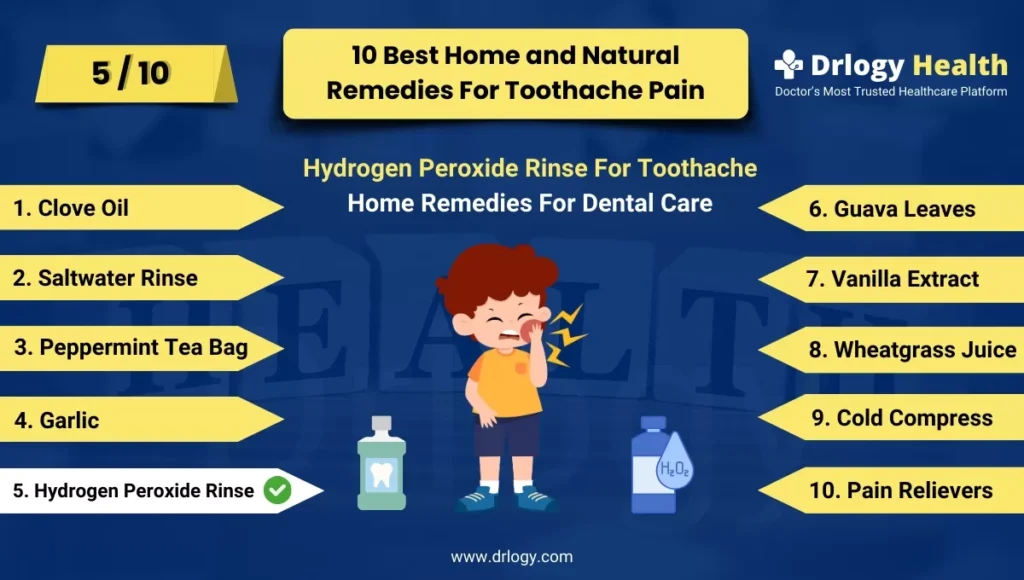
Using Oxygenated Water as a Collutorio
At a concentration of 3%, oxygenated water is safe for the mouth and can be used as a collutorio with a mild bleaching effect. This makes it an excellent alternative to commercial toothpastes, which often contain harsh chemicals that can damage teeth over time.
When using oxygenated water as a collutorio, simply swish the liquid around in your mouth for 30 seconds before spitting it out. Repeat this process several times a day to maintain good oral health and prevent stains.
Disinfecting Fabrics with Oxygenated Water
White clothes don’t have to be washed in hot water to get rid of stains. Simply soak them in a solution of oxygenated water and water, and let the magic happen!
To use oxygenated water for fabric disinfection, follow these steps:
- Mix 1 part oxygenated water with 2 parts regular water.
- Add the mixture to the stained fabric and let it sit for at least an hour.
- Rinse the fabric thoroughly with cold water.
The antibacterial properties of oxygenated water make it an effective natural disinfectant for fabrics, eliminating bacteria and odors without leaving harsh chemical residues.
Whitening Your Nails
If your nails are looking dull, try soaking them in a solution of oxygenated water and warm water for a few minutes. The oxidizing properties of oxygenated water can help break down dead skin cells and promote healthy nail growth.
To use oxygenated water for nail whitening:
- Mix 1 part oxygenated water with 2 parts warm water.
- Soak your nails in the solution for 10-15 minutes, twice a week.
- Rinse your nails thoroughly with cold water.
DIY Foot Bath with Oxygenated Water
For a natural pediluvio, soak your feet in a solution of oxygenated water and warm water. Perfect for people who frequent public pools or gyms!
To use oxygenated water for foot baths:
- Mix 1 part oxygenated water with 2 parts warm water.
- Soak your feet in the solution for 15-20 minutes, twice a week.
- Rinse your feet thoroughly with cold water.
The antifungal properties of oxygenated water can help prevent fungal infections and promote healthy foot skin.
Using Oxygenated Water as a Hair Decolorant
At a concentration of up to 10%, oxygenated water can be used as a hair decolorant or to lighten your locks. This makes it an excellent alternative to harsh chemical-based hair lighteners, which can damage hair over time.
To use oxygenated water for hair decoloration:
- Mix 1 part oxygenated water with 2 parts shampoo.
- Apply the mixture to your hair and leave it on for 10-15 minutes.
- Rinse your hair thoroughly with cold water.
Oxygenated Water and Wound Care
The power of oxygenated water lies in its ability to disinfect wounds. When applied correctly, it can help prevent infection and promote healing.
But how does it work? Let’s dive into the science behind oxygenated water’s wound-healing properties.
How Oxygenated Water Works on Wounds
When oxygenated water comes into contact with a wound, it forms bubbles due to the catalytic action of the enzyme catalase. This process helps to break down dead tissue and promote healing.
The disinfectant properties of oxygenated water are also attributed to its ability to denature proteins and release oxygen. This two-pronged approach effectively purifies the wound, eliminating bacteria and other microorganisms that can cause infection.
While oxygenated water is generally safe for use on minor cuts and scrapes, it’s essential to note that its application should be limited to the initial stages of wound care. During the healing process, it’s recommended to avoid using oxygenated water, as it may interfere with the body’s natural healing process.
Benefits of Using Oxygenated Water for Wound Care
Using oxygenated water for wound care offers several benefits:
- Reduced risk of infection: Oxygenated water’s antibacterial properties help prevent bacterial growth and reduce the risk of infection.
- Promotes healing: The oxidizing properties of oxygenated water can help break down dead tissue and promote healthy cell growth.
- Minimizes scarring: By promoting healing and reducing inflammation, oxygenated water can help minimize scarring.
Conclusion
Oxygenated water is an incredible resource that offers a range of natural remedies for various health issues. Whether you’re looking to whiten your teeth, lighten your hair, or disinfect wounds, this versatile liquid has got you covered.
But before we dive into more uses for oxygenated water, let’s address some common concerns:
Frequently Asked Questions
Q: Is oxygenated water safe to use on all skin types?
A: While generally safe, it’s essential to note that people with sensitive skin may experience irritation or allergic reactions. Always perform a patch test before using oxygenated water.
Q: Can I use oxygenated water as a substitute for other disinfectants?
A: No, oxygenated water should not be used as a replacement for established medical treatments. Consult a healthcare professional before using it on wounds.
Q: Is there a recommended concentration of oxygenated water for wound care?
A: Yes, a concentration of 3-6% is generally considered safe and effective for wound care.
Q: Can I use oxygenated water to whiten my nails at home?
A: While possible, the results may vary. Always perform a patch test before applying oxygenated water to your nails.
Q: Is oxygenated water suitable for use on sensitive teeth or gums?
A: For sensitive teeth and gums, it’s recommended to use oxygenated water in moderation and under the guidance of a healthcare professional.
Q: Can I use oxygenated water as a substitute for other hair care products?
A: While oxygenated water can be used as a hair decolorant, it may not be suitable as a substitute for other hair care products. Always perform a patch test before using it on your hair.
Q: Is there a recommended frequency for applying oxygenated water to wounds?
A: The frequency of application will depend on the severity and size of the wound. Consult with a healthcare professional for personalized guidance.
Q: Can I use oxygenated water to disinfect other surfaces besides fabrics and skin?
A: Yes, oxygenated water can be used as a natural alternative to chemical-based disinfectants for various surfaces, but always follow proper safety protocols and guidelines.
By understanding the benefits and uses of oxygenated water, you can harness its power to promote healthy living and improve your overall well-being.


