
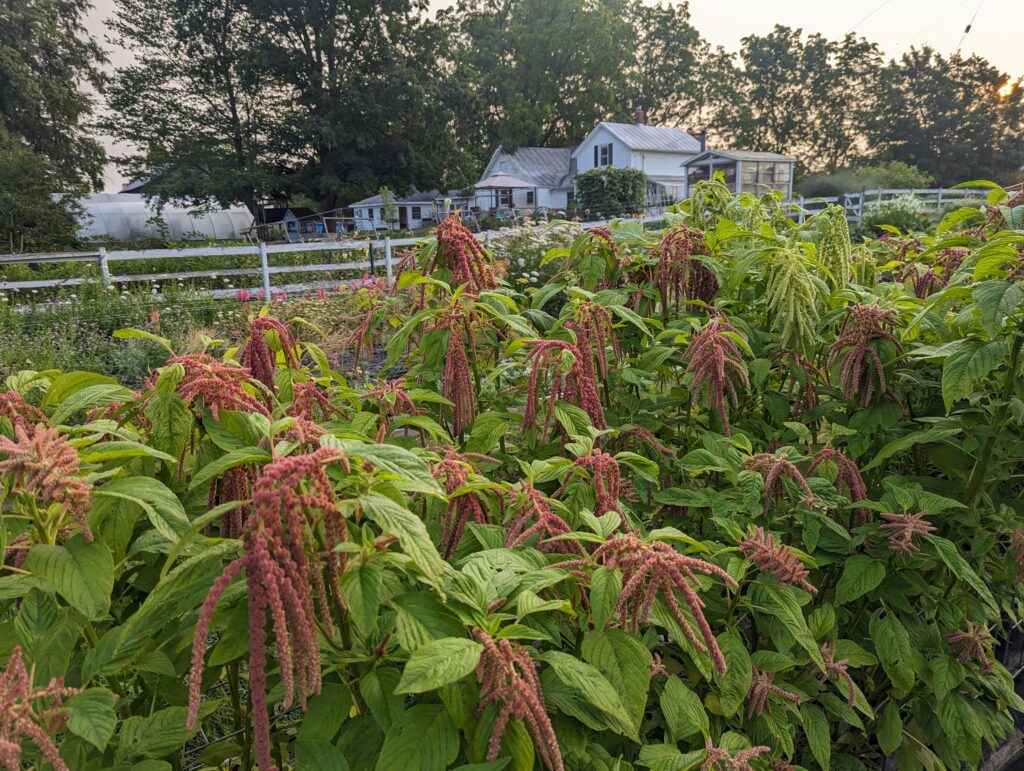
Introduction
Amaranth is a versatile plant that has been used for both ornamental and culinary purposes, prized for its nutritional benefits and delicious flavor. As a beginner, growing amaranth can be a rewarding experience, especially when done correctly.
In this article, we will guide you through the process of cultivating amaranth, from sowing seeds to harvesting the fruit. Whether you’re interested in growing amaranth in your backyard or indoor space, we’ll cover everything you need to know.
Origin and Climate
Amaranth is native to Central and Southern America, but it can thrive in temperate climates with mild temperatures. If you live in the Northern or Central regions of Italy, it’s recommended to grow amaranth indoors or in a protected environment.
The ideal climate for growing amaranth is characterized by warm summers and cool winters. Amaranth is highly susceptible to frost damage, so if you plan to grow it outdoors, choose a location that provides protection from extreme weather conditions.
When to Sow
The ideal time to sow amaranth seeds is in spring, after about 6-8 weeks following the last frost. This allows the plants to mature before the heat sets in.
In regions with a long growing season, you can also grow amaranth in the fall, as soon as the weather cools down. However, this method may require more care and attention to ensure optimal growth.
Choosing the Right Soil
To promote healthy growth, choose a soil rich in nitrogen and phosphorus. These nutrients will enable the plant to grow tall and strong.
Amaranth prefers well-draining soil that is slightly acidic, with a pH range of 6.0-7.0. If your soil is heavy clay or sandy, you can mix it with organic matter like compost or manure to improve its structure.
Full Sun Exposure
Amaranth requires full sun exposure to thrive. If you’re growing it indoors, a south-facing veranda with large windows is ideal.
In regions with limited sunlight, amaranth can still be grown using grow lights. However, this method may require more energy and attention to ensure optimal growth.
Watering and Irrigation
Amaranth dislikes standing water and infrequent irrigation. Water the soil only when necessary, as overwatering can be detrimental to the plant’s health.
To prevent waterlogged soil, make sure to check the moisture level before watering your amaranth plants. If the top inch of soil feels dry, it’s time to water.
Sowing Seeds
To start growing amaranth from seeds, follow our comprehensive guide on sowing seeds. Since amaranth seeds are small, it’s essential to sow them at the correct depth and spacing.
Here’s a step-by-step guide on how to sow amaranth seeds:
- Prepare your pot or garden bed by loosening the soil to a depth of about 8-10 inches.
- Sow the seeds evenly spaced, about 1/8 inch deep and 1-2 inches apart.
- Cover the seeds with a thin layer of soil and water gently but thoroughly.
- Keep the soil consistently moist during the germination period (about 7-10 days).
- Once the seedlings emerge, provide them with full sun exposure and well-draining soil.
Growing Amaranth: A Step-by-Step Guide
- Germination: The first sign of germination is the emergence of tiny green shoots.
- Foliage: As the plant grows, it develops large, flat leaves that provide shade and protection from harsh weather conditions.
- Flowering: In the summer months, amaranth produces small white or pink flowers that will eventually turn into seed pods.
- Maturation: The seeds mature in autumn, which is the perfect time for harvesting.
Drying Amaranth Seeds
Before using amaranth in cooking, it’s essential to dry the seeds thoroughly. To do this, place the seeds in a paper bag or cloth and store them in a cool, dark area. Once dry, the seeds can be stored in an airtight container to preserve their nutritional value.
Where to Buy Amaranth Seeds
If you’re having trouble finding amaranth seeds in your local nursery, consider purchasing them online from reputable suppliers like Amazon. A 50g packet of amaranth seeds is available for just €5 on Amazon.
Conclusion
Growing amaranth can be a rewarding experience, especially when done correctly. By following these simple steps and understanding the plant’s needs, you’ll be enjoying homegrown amaranth in no time.
Frequently Asked Questions
Q: How long does it take for amaranth to grow?
A: Amaranth seeds typically germinate within 7-10 days after sowing. It takes around 60-90 days for the plant to mature.
Q: What is the best way to store dried amaranth seeds?
A: Store dried amaranth seeds in an airtight container in a cool, dark area to preserve their nutritional value.
Q: Can I grow amaranth indoors?
A: Yes, you can grow amaranth indoors using pots and sufficient light. A south-facing veranda with large windows is ideal for indoor growing.
Q: How do I care for my amaranth plant?
A: Provide your amaranth plant with full sun exposure, well-draining soil, and moderate watering to ensure optimal growth.
Q: What are the health benefits of eating amaranth?
A: Amaranth is rich in protein, fiber, and minerals like calcium and iron. It’s also high in antioxidants and has been linked to several potential health benefits.
Q: Can I use amaranth as a natural dye?
A: Yes, amaranth can be used as a natural dye for fabrics and other materials. The leaves and flowers of the plant contain anthocyanins, which give off a range of colors from pink to purple.
Q: How do I harvest my amaranth crop?
A: Harvest your amaranth crop when the seeds are dry and rattle inside the pods. Cut the stalks near the base, leaving about 1 inch attached to the plant. Dry the harvested amaranth further by tying it in small bunches and hanging it upside down.
Q: Can I grow amaranth from seed directly into a pot?
A: Yes, you can sow amaranth seeds directly into a pot using a good quality potting mix. Plant the seeds about 1/8 inch deep and water gently but thoroughly.
Q: What is the best variety of amaranth to grow?
A: There are several varieties of amaranth to choose from, including ‘Green’, ‘Red’, and ‘Purple’. Each variety has its unique characteristics, so select the one that suits your needs and preferences.


