
Introduction
As the world grapples with the challenges of climate change, Italy is facing a unique threat to its rich culinary heritage. The changing climate is having a profound impact on the country’s agriculture, threatening the very existence of iconic products that define the nation’s gastronomic identity. From the sun-kissed hills of Tuscany to the picturesque vineyards of Piedmont, Italy’s agricultural landscape is under siege.
The Italian food industry has long been synonymous with quality and tradition, and the impact of climate change on its production is a cause for concern. The consequences of inaction could be devastating, not only for the economy but also for the nation’s cultural identity. In this article, we will explore the effects of climate change on Italian agriculture, focusing on the olive tree, wine production, traditional practices such as salumi stagionatura and cheese aging, and the impact of tropicalization.
The Climate Crisis and Italian Agriculture
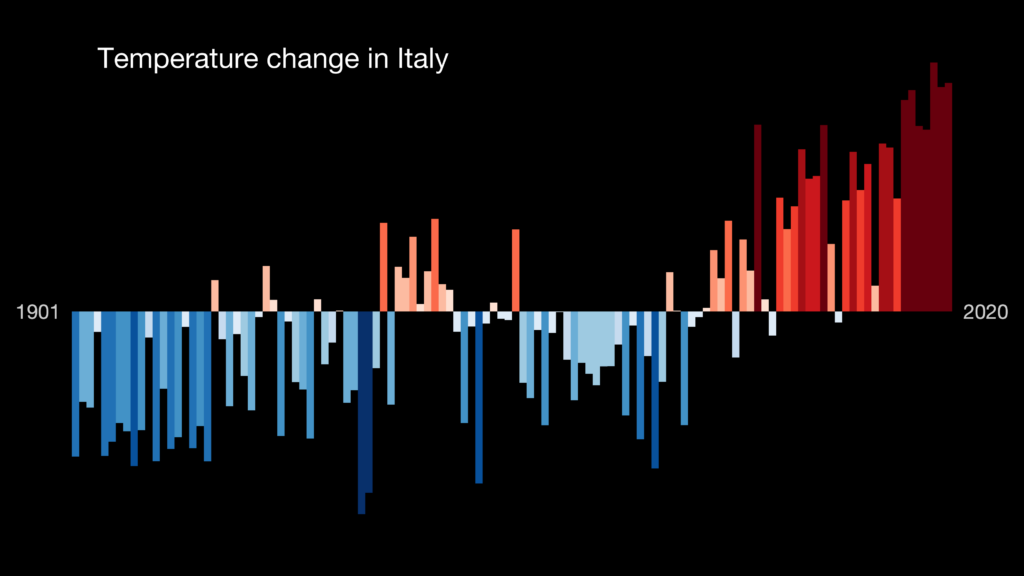
Recent studies have revealed that 98% of the planet is under attack from global warming, with Italy not immune to its effects. The country has experienced a significant trend towards climate change, with the past few years being the warmest on record. This shift in temperature is affecting the distribution of crops and their characteristics.
In particular, the Mediterranean region, which accounts for much of Italy’s agricultural production, is experiencing extreme weather events such as droughts, heatwaves, and heavy rainfall. These conditions are taking a toll on the country’s staple crops, including olives, grapes, and citrus fruits.
The Impact on Olive Trees
One of the most notable examples of this impact can be seen in the olive tree. Traditionally a Mediterranean crop, the olive has been forced to adapt to the changing climate by relocating to areas near the Alps. In Sicily and Calabria, exotic plants such as bananas, avocados, and other fruits have also begun to flourish.
The relocation of olive trees is a significant concern for Italian farmers, who are struggling to adapt to the changing conditions. The loss of traditional varieties, which are often irreplaceable by new cultivars, is a major risk to the country’s agricultural heritage.
The Effects on Wine Production
Wine production is also feeling the strain of climate change. The warmer temperatures have resulted in an increase of one degree over the past 30 years. This has led to an earlier harvest, with some winemakers reporting a month’s difference between their expected and actual harvest dates.
The impact of climate change on wine production is not limited to the timing of the harvest. Warmer temperatures are also altering the chemical composition of grapes, which can affect the quality and flavor of the final product. Winemakers are struggling to adapt to these changes, with some reporting losses in sales and reputation.
Threats to Traditional Practices
The changing climate is also altering traditional practices such as salumi stagionatura, cheese aging, and wine invecchiamento. These changes are putting the very existence of Italy’s iconic products at risk. According to Coldiretti, the preservation of these products relies solely on their geographical environment.
Salumi stagionatura, for example, is a traditional process that involves drying cured meats in a specific region. The changing climate is altering the local microclimate, which can affect the quality and flavor of the final product. Cheese aging and wine invecchiamento are also vulnerable to changes in temperature and humidity, which can impact their texture and flavor.
Tropicalization: A Growing Concern
In addition to climate change, the country is also facing a growing concern over tropicalization. This phenomenon has led to an increase in extreme weather events such as bombogenesis and heatwaves, which are devastating agricultural production.
Tropicalization refers to the spread of non-native crops and plants, leading to changes in local ecosystems and microclimates. The introduction of exotic species can alter the chemical composition of soil, air, and water, making it more difficult for traditional crops to thrive.
The Case of Honey
A notable example of this impact can be seen in the honey industry. The 2019 season was marked by a significant decline in production, with losses ranging from 40% to over 70% in certain regions. This led to an increase in imports, with more than half of the miele on sale containing foreign produce.
The decline in honey production is not just a matter of economic concern; it also has implications for food security and public health. Honey is a rich source of antioxidants and other nutrients, which are essential for maintaining good health.
The Importance of Origin Labeling
Coldiretti advises consumers to verify the origin of their purchases carefully or contact producers directly. By doing so, they can ensure that they are consuming high-quality products made in Italy.
Origin labeling is crucial in this context, as it allows consumers to make informed choices about the products they buy. It also helps to protect Italian farmers and producers from unfair competition and exploitation by larger agribusinesses.
The Impact of Climate Change on Italy’s Economy
Climate change is having a profound impact on Italy’s economy, threatening the very existence of iconic products that define the nation’s gastronomic identity. The losses suffered by farmers, winemakers, and other agricultural producers are significant, with some reports suggesting that up to 30% of Italian agricultural production may be lost due to climate change.
The economic consequences of climate change extend beyond agriculture, affecting industries such as tourism, hospitality, and food processing. The loss of traditional products and practices can also have a negative impact on the country’s cultural identity, leading to a decline in heritage and diversity.
Conclusion
The climate crisis is having a profound impact on Italian agriculture, threatening the very existence of iconic products that define the nation’s gastronomic identity. It is time for action before it’s too late.
Italian farmers, winemakers, and other agricultural producers must adapt to the changing conditions, investing in new technologies, practices, and infrastructure to mitigate the effects of climate change. Consumers must also take responsibility for their purchasing decisions, choosing high-quality products made in Italy that are produced using sustainable and environmentally friendly methods.
The preservation of Italian culinary heritage is a collective responsibility, requiring the cooperation and commitment of all stakeholders involved in agriculture and food production. By working together, we can ensure that the “Made in Italy” label remains synonymous with quality, tradition, and excellence for generations to come.


