
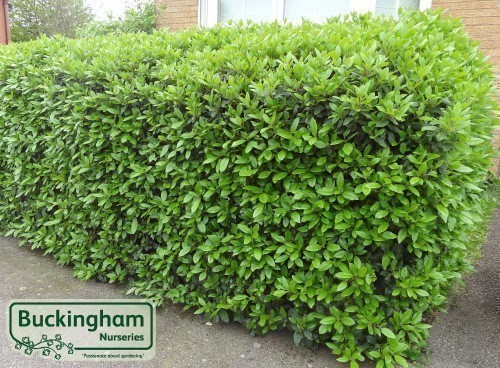
Are you looking for a low-maintenance, yet stunning hedge plant that will add beauty and character to your garden? Look no further than Viburno! This versatile and adaptable plant is perfect for beginners and experienced gardeners alike.
What is Viburno?
Viburno is a type of shrub or small tree that belongs to the genus Viburnum. There are over 200 species of Viburno, ranging from deciduous to evergreen, and varying in size, shape, and color. This plant is native to Asia and Europe, but has become widely popular in gardens around the world.
Why Choose Viburno?
Viburno is an ideal choice for a hedge plant due to its:
- Easy care: Viburno requires minimal maintenance, making it perfect for busy gardeners.
- Attractive foliage: The leaves of Viburno are oval-shaped and have a beautiful dark green color, adding texture and depth to your garden.
- Fragrant flowers: In the spring, Viburno produces small white or purple flowers that fill the air with their sweet scent.
- Berries: After the flowers have faded, Viburno produces clusters of blue-black berries that attract birds and other wildlife.
Popular Varieties of Viburno
There are several popular varieties of Viburno to choose from, each with its own unique characteristics:
- Viburnum tinus (Tino): A compact evergreen shrub with glossy leaves and white flowers in spring.
- Viburnum lucidum: An evergreen shrub with shiny leaves and white flowers in spring. It is also known for its fast growth rate, reaching up to 5 meters in height.
- Viburnum opulus (Opulus): A deciduous shrub with dark green leaves and white flowers in spring. It is a popular choice for hedges due to its compact growth habit.
How to Care for Your Viburno Hedge
To keep your Viburno hedge looking its best, follow these care tips:
- Watering: Viburno prefers well-drained soil and should be watered regularly during hot weather.
- Pruning: Prune your Viburno hedge in the late winter or early spring to maintain its shape and encourage new growth.
- Pest control: Keep an eye out for pests like aphids, whiteflies, and spider mites, which can damage your Viburno hedge.
Common Problems with Viburno
While Viburno is generally a hardy plant, it may be susceptible to certain problems:
- Maculatura fogliare (Leaf Spot): A fungal disease that causes small spots on the leaves.
- Mal bianco: A bacterial disease that causes yellowing or whiteening of the leaves.
- Marciume basale: Root rot caused by overwatering or poor drainage.
Tips for Preventing Problems
To minimize the risk of problems, follow these tips:
- Use a balanced fertilizer to promote healthy growth and prevent nutrient deficiencies.
- Water your Viburno hedge regularly, but avoid overwatering which can lead to root rot.
- Prune your Viburno hedge in the late winter or early spring to maintain its shape and encourage new growth.
Conclusion
Viburno is a versatile and attractive hedge plant that is perfect for adding beauty and character to your garden. With its easy care, attractive foliage, fragrant flowers, and berries, it’s no wonder why Viburno has become a popular choice among gardeners. By following the care tips and being aware of potential problems, you can keep your Viburno hedge looking its best all year round.
Frequently Asked Questions (FAQs)
- Q: What is the best time to prune my Viburno hedge?
A: The best time to prune your Viburno hedge is in late winter or early spring, before new growth begins. - Q: How often should I water my Viburno hedge?
A: Water your Viburno hedge regularly during hot weather, but avoid overwatering which can lead to root rot. -
Q: Can I grow Viburno in containers?
A: Yes, Viburno can be grown in containers, but make sure the pot is large enough and has good drainage holes. -
Q: How do I treat maculatura fogliare (Leaf Spot) on my Viburno hedge?
A: To treat leaf spot, remove any infected leaves, improve air circulation around the plant, and apply a fungicide as needed. -
Q: Can Viburno be grown in shade?
A: While Viburno can tolerate some shade, it prefers full sun to partial shade. -
Q: How often should I fertilize my Viburno hedge?
A: Fertilize your Viburno hedge once a year with a balanced fertilizer during the growing season. -
Q: Can I propagate Viburno from cuttings?
A: Yes, you can propagate Viburno from stem cuttings taken in spring or summer.
Propagation Methods
Viburno can be propagated using various methods:
- Stem cuttings: Take 5-10 cm stem cuttings with at least two nodes and root them in a pot filled with moistened peat moss.
- Division: Divide the roots of an established Viburno hedge into smaller sections and replant in well-draining soil.
- Layering: Bend a long stem down to the ground, secure it with a U-shaped wire, and cover it with soil. Roots should develop within 6-12 months.
Pest and Disease Control
To keep your Viburno hedge healthy, follow these pest and disease control tips:
- Inspect regularly: Check your Viburno hedge for signs of pests or diseases, such as aphids, whiteflies, spider mites, leaf spot, mal bianco, or root rot.
- Apply organic or chemical pesticides or fungicides as needed to control pests and diseases.
Maintenance Schedule
To keep your Viburno hedge looking its best, follow this maintenance schedule:
- Monthly: Inspect your Viburno hedge for signs of pests or diseases and apply any necessary treatments.
- Quarterly: Prune your Viburno hedge to maintain its shape and encourage new growth.
- Annually: Fertilize your Viburno hedge with a balanced fertilizer during the growing season.
Conclusion
Viburno is a versatile and attractive hedge plant that is perfect for adding beauty and character to your garden. With its easy care, attractive foliage, fragrant flowers, and berries, it’s no wonder why Viburno has become a popular choice among gardeners. By following the care tips and being aware of potential problems, you can keep your Viburno hedge looking its best all year round.
Additional Tips
- Mulching: Mulch around the base of your Viburno hedge to retain moisture and suppress weeds.
- Support: Provide support for tall or top-heavy Viburno hedges using stakes or trellises.
- Winter protection: Protect your Viburno hedge from harsh winter weather by applying a layer of mulch or burlap around the base.


