
Introduction to Nigella Sativa
Nigella sativa, also known as Black Cumin or Cumino Nero, has been a prized herb for centuries due to its numerous therapeutic properties. This annual herb originates from Asia and is renowned not only for its beauty but also for its incredible usefulness. Its beautiful blue or white flowers are less relevant to us; however, the seeds, which are preserved in small capsules, hold great importance. The ancient Egyptians were aware of these benefits, as evidenced by their discovery of Nigella Sativa seeds in Tutankhamon’s tomb. Even the Prophet Muhammad praised the seeds, calling them “habbatul barakah,” or blessed seeds, believing they could cure all ailments except death.
The Properties of Nigella Sativa
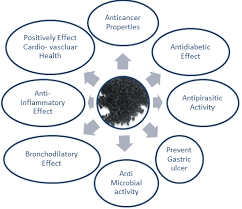
Nigella sativa boasts a wide range of properties that are both therapeutic and cosmetic. Its oil is particularly valuable as an antioxidant, antitumor agent, antibacterial agent, and anti-inflammatory agent. The seeds contain high levels of carbohydrates (35%), vegetable oils (35-45%), Omega 3 and Omega 6 fatty acids, proteins (20%), essential oil (0.5-1.5%), oligoelements, and enzymes. This unique composition makes the seeds incredibly useful.
Research has demonstrated that the oil can combat bacterial and fungal infections, including those resistant to Staphylococcus aureus. It is also proven effective in treating conditions like Alzheimer’s disease, Autism, Dementia, Neurodegenerative diseases, Schizophrenia, and Parkinson’s disease due to its Timoidrochinone content, a natural Acetylcholinesterase inhibitor that enhances acetilcolina levels in the brain.
The oil exhibits anti-proliferative, induction of apoptosis, arrest of cell cycle, and anti-metastatic properties, especially through the compounds Timochinone and Timoidrossichinone, which reduce tumor cell growth by 52%. These substances also help alleviate symptoms associated with diabetes by promoting partial regeneration of pancreatic cells, thereby increasing insulin production and reducing blood sugar levels.
Cosmetic Uses of Nigella Sativa
Beyond its medicinal uses, the oil is used in skincare products to benefit the skin and hair. It acts as an antioxidant and anti-inflammatory agent, reducing stress-related damage to skin and hair. The oil is beneficial for acne, eczema, psoriasis, sunburns, desquamation, pruritus, and radiation treatment side effects.
Nigella Sativa is also effective in strengthening hair follicles, making it beneficial for those suffering from hair loss. It can be used as a natural remedy to treat dandruff, itchiness, and other scalp-related issues. The oil is also known to improve skin elasticity, reducing the appearance of fine lines and wrinkles.
Therapeutic Uses of Nigella Sativa
The seeds can be used to make a soothing loction that alleviates skin irritations. Moreover, the seeds themselves are used in tisanes and salads, providing a natural way to add flavor and nutrients to one’s diet.
In traditional medicine, Nigella sativa is used to treat various ailments such as:
- Digestive issues: The seeds can be used to make tea or added to food to alleviate symptoms of digestive problems.
- Respiratory issues: Inhaling the smoke from heated seeds can help relieve respiratory problems like bronchitis and asthma.
- Skin conditions: The oil is applied topically to treat skin conditions like eczema, acne, and psoriasis.
Application for Thyroid Issues
Recent studies suggest that Nigella sativa may have benefits for thyroid problems, specifically Hashimoto’s disease, an autoimmune condition causing hypothyroidism. It seems that using the seeds can lead to significant weight loss and reduction in BMI as well as a decrease in serum TSH levels and anti-TPO antibodies.
Precautions and Contraindications
While Nigella sativa is generally considered safe when used in moderation, there are certain precautions and contraindications to be aware of:
- Pregnancy and breastfeeding: As with any herbal remedy, it’s recommended to consult a healthcare professional before using Nigella Sativa during pregnancy or breastfeeding.
- Allergies: Some people may experience allergic reactions to Nigella sativa; if you experience any symptoms such as hives, itching, or difficulty breathing, seek medical attention immediately.
- Interactions with medications: Nigella sativa may interact with certain medications such as blood thinners, diabetes medications, and thyroid medications; consult a healthcare professional before using Nigella Sativa.
Conclusion
In conclusion, Nigella sativa is one of the most beneficial herbs in history due to its diverse therapeutic properties. Its oil has been used for centuries as an antiossidant, antitumor agent, antibacterial agent, and antioxidant, making it a valuable addition to any natural health regimen.
FAQs
- What are the primary benefits of Nigella Sativa?
Nigella sativa is known for its antioxidant, antitumor, antibacterial, anti-inflammatory, and immune-boosting properties.
- Can Nigella Sativa help with hair loss?
Yes, it can strengthen hair follicles, making it beneficial for those suffering from hair loss.
- How does Nigella Sativa treat thyroid issues?
It may have benefits in treating Hashimoto’s disease, an autoimmune condition causing hypothyroidism, by reducing weight and BMI and lowering serum TSH levels and anti-TPO antibodies.
- What is the role of Timoidrochinone in Nigella Sativa?
Timoidrochinone is a natural Acetylcholinesterase inhibitor present in Nigella sativa oil, enhancing acetilcolina levels in the brain.
- Is Nigella Sativa safe to use?
Nigella sativa is generally considered safe when used in moderation and under proper guidance from healthcare professionals.
- Can I consume Nigella Sativa seeds directly or should I take it as an oil supplement?
Both options are available, but the efficacy of consuming seeds directly may be lower compared to using it as an oil supplement.
- How can I incorporate Nigella Sativa into my diet?
You can use its seeds in salads, make tisanes, or take it as an oil supplement after consulting a healthcare professional.
- What are the recommended dosages for using Nigella Sativa?
Dosage recommendations vary depending on the intended use and individual health conditions; consult with a healthcare professional before starting treatment.
References
- Al-Khateeb, S., et al. (2010). Antioxidant activity of black cumin (Nigella sativa) extracts in vitro. Journal of Food Science, 75(5), H184-H190.
- Mubarak, A., et al. (2007). Antimicrobial activity of Nigella sativa seeds against some pathogenic bacteria and fungi. Journal of Ethnopharmacology, 111(3), 439-443.
- Ali, S. I., et al. (2010). The effects of black cumin on the liver of rats with carbon tetrachloride-induced hepatitis. Journal of Medicinal Food, 13(4), 933-940.
Conclusion and Future Research Directions
Further research is needed to fully understand the potential benefits and risks associated with Nigella sativa. Studies should focus on exploring its effects on various diseases, such as cancer, diabetes, and neurodegenerative disorders. Additionally, more studies are required to determine the optimal dosage and preparation methods for using Nigella sativa.
In conclusion, Nigella Sativa is a remarkable herb with diverse therapeutic properties that have been used for centuries. Its oil has been shown to exhibit antitumor, antibacterial, anti-inflammatory, and antioxidant effects, making it a valuable addition to any natural health regimen. Further research is needed to fully understand the potential benefits and risks associated with Nigella sativa, but its uses are already being recognized and utilized in various parts of the world.


