
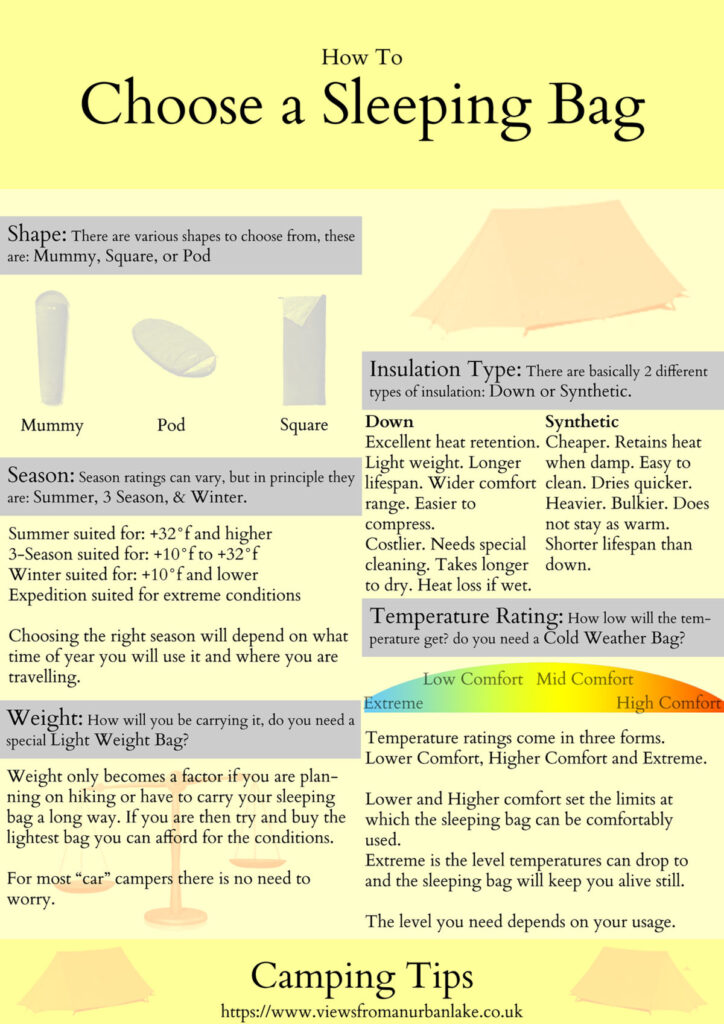
As we plan our next adventure, whether it’s a mountain hike, a beach camping trip, or an expedition in the high mountains, choosing the right sleeping bag is crucial. It’s not just about picking any old bag; we need to consider various factors and characteristics that will ensure a comfortable night’s sleep.
The Basics: Temperature, Comfort, and Portability
When selecting a sleeping bag, we should focus on three key aspects:
- Temperature: The temperature range the bag can withstand, which is influenced by the type of insulation used.
- Comfort: How well the bag conforms to our body, considering factors like material, weight, and size.
- Portability: The ease with which we can carry the bag, especially when traveling long distances or hiking.
Understanding Temperature Zones
When evaluating temperature zones, consider the following three categories:
- Warm temperatures: Above 20°C (68°F), where a sleeping bag with high insulation capacity is essential.
- Mild temperatures: Between 10°C (50°F) and 20°C (68°F), where a medium-insulation sleeping bag can handle the heat.
- Cold temperatures: Below 10°C (50°F), where a sleeping bag with low insulation capacity or synthetic insulation is necessary.
Choosing the Right Insulation
Insulation type plays a significant role in determining the overall performance of our sleeping bag. We have two primary options:
- Down insulation: Provides excellent warmth and loft, but can be heavy, expensive, and maintenance-intensive.
- Synthetic insulation: Offers better durability and resistance to moisture, but may not provide the same level of warmth as down.
When deciding between down and synthetic insulation, consider factors like environmental impact, weight, and cost. Down-filled sleeping bags are often preferred by backpackers and ultralight enthusiasts, while synthetic insulated sacks are popular among long-distance hikers and cold-weather adventurers.
Sack Shape: Mummy or Rectangular?
The shape of our sleeping bag can significantly impact comfort and temperature regulation. A mummy-shaped sac provides better body heat retention but may cause constriction on the hips and legs. A rectangular sack offers more freedom of movement but may allow cold air to penetrate.
For those who prefer a more relaxed fit, look for bags with a jacket-style design or a sleeping bag liner that can be used in conjunction with a rectangular sack. This setup allows for greater mobility and comfort during the night.
Temperature Testing: What You Need to Know
When purchasing a sleeping bag, look for temperature ratings that meet international standards, such as EN 13537. These ratings provide an indication of the maximum temperature at which the bag can maintain a safe internal environment (T Max), as well as the minimum temperature required for a comfortable sleep (T conf and T lim).
The Importance of Fill Power
Fill power is a measure of the loft and warmth of down insulation. It’s essential to understand that fill power can vary between manufacturers, affecting the overall performance of our sleeping bag.
In general, higher fill powers correspond to greater warmth and loft. However, they also tend to be more expensive and heavier. For those on a budget or seeking lightweight options, lower fill power bags may be suitable alternatives.
What’s Your Budget?
When selecting a sleeping bag, it’s essential to set a realistic budget. Prices can range from under $50 for basic, synthetic-filled sacks to over $500 for high-end, down-filled models.
For most backpackers and hikers, spending between $100 to $300 on a high-quality sleeping bag is an excellent investment. This price range offers a balance of warmth, comfort, and portability, making it ideal for most outdoor enthusiasts.
Where to Buy a Sleeping Bag at a Good Price
For affordable prices on high-quality sleeping bags, consider online marketplaces like REI or Moosejaw. Both retailers offer a wide selection of bags from top manufacturers, along with expert advice and customer reviews.
When shopping online, look for discounts, sales, and bundle deals that can help reduce the overall cost of your purchase. Additionally, be sure to check the return and exchange policies of each retailer in case you need to make any adjustments or returns.
Frequently Asked Questions
Here are some common questions that may arise when choosing the right sleeping bag:
Q: What is the best insulation for cold weather?
A: Synthetic insulation is a good option for cold weather, as it retains heat well and is less prone to moisture damage than down. However, if you prioritize warmth and loft, high-quality down insulation may still be the better choice.
Q: How do I choose the right temperature zone for my trip?
A: Consider your expected lowest temperature at night and select a sleeping bag with an equivalent or higher rating. Keep in mind that temperature ratings are not always exact and can vary between manufacturers.
Q: What is the difference between mummy-shaped and rectangular sacks?
A: Mummy-shaped sacks provide better body heat retention but may cause constriction on the hips and legs, while rectangular sacks offer more freedom of movement but allow cold air to penetrate. Ultimately, the choice depends on your personal preference and specific needs.
Q: How do I care for my down-filled sleeping bag?
A: Regularly clean your sleeping bag with a soft brush and avoid exposing it to direct sunlight or high temperatures. This will help maintain its loft and extend its lifespan.
Q: Can I use a sleeping bag in very hot weather?
A: Yes, but consider using a lightweight, synthetic-insulated sack that allows for good airflow and breathability. Avoid using bags with heavy down filling or thick insulation in warm conditions, as this can lead to overheating and discomfort.
Q: How do I pack my sleeping bag for transport?
A: Store your sleeping bag in a compact, protective bag to prevent damage during travel. Consider using compression sacks or roll-ups to save space and reduce weight when transporting your gear.
Additional Tips for Choosing the Right Sleeping Bag
In addition to understanding temperature zones, choosing the right insulation, and considering sack shape, there are several other factors to keep in mind:
- Material: Look for bags made from durable, water-resistant materials that can withstand exposure to elements.
- Weight: Consider the weight of your sleeping bag, especially if you plan to hike long distances or carry heavy gear.
- Size: Ensure the sleeping bag fits comfortably and provides sufficient room for movement.
- Draft protection: Consider bags with a draft collar or zipper closure to prevent cold air from entering.
- Pockets and organization: Look for bags with convenient pockets, compartments, and organizational features to keep your gear tidy.
By considering these factors and characteristics, you can find the perfect sleeping bag to suit your needs and preferences. Remember to always prioritize warmth, comfort, and portability when selecting a sleeping bag, as this will ensure a restful night’s sleep during even the most challenging adventures.


