
As a responsible rabbit owner, you may find yourself in the situation of caring for baby rabbits from an early age. Whether you live in the countryside or are an urban dweller, taking care of these adorable creatures can be a rewarding experience. In this article, we will provide you with practical advice on how to care for baby rabbits, from preparing for their arrival to providing them with a nurturing environment.
Nutrition and Diet
Before the babies arrive, it’s essential to prepare your rabbit’s diet to ensure they are healthy and strong enough to handle pregnancy and childbirth. A balanced diet rich in nutrients is crucial for the mother rabbit’s health and the development of her young. Look for high-quality food that contains at least 16% protein, 18% fiber, and no more than 3% fat.
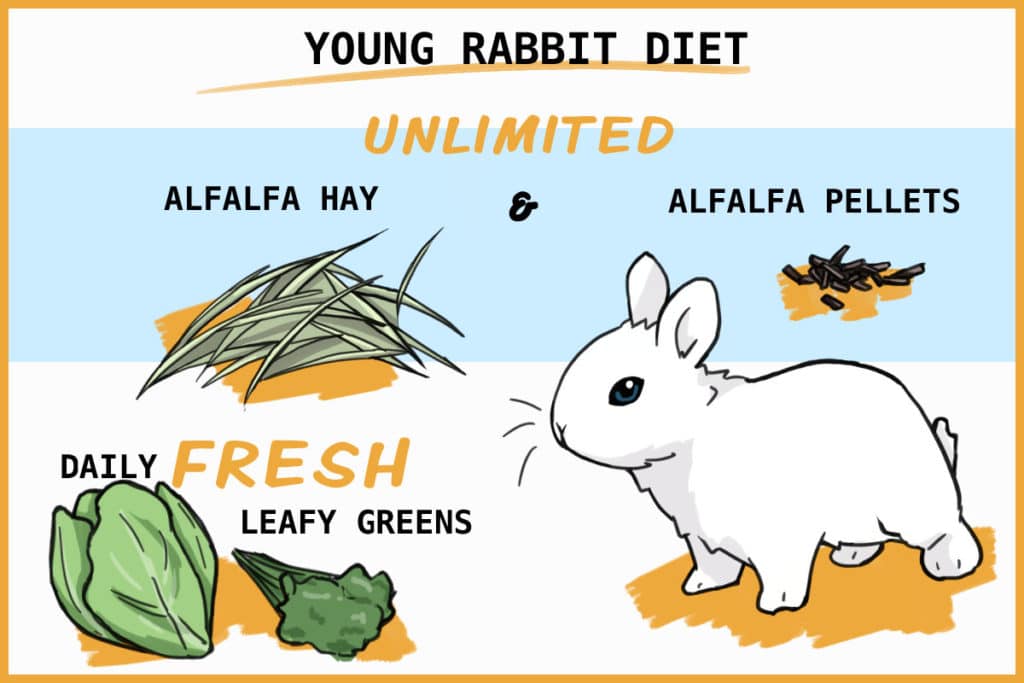
In addition to their mother’s milk, baby rabbits may benefit from supplements such as Timothy hay, alfalfa hay, or grass. However, it’s essential to introduce these foods gradually to prevent digestive issues. Fresh water should always be available, and the litter box should be cleaned regularly.
Preparing for Birth
Rabbits can become pregnant at any time of the year, and preparing for birth is crucial. Make sure you have a safe and comfortable place for your rabbit to give birth and care for her babies.
Create a cozy nesting box or blanket-lined area in your rabbit’s cage. Add fresh bedding like straw or hay to absorb waste and prevent overheating. Keep the mother rabbit warm by using a heat source like a hot water bottle or a heating pad set on low.
Separating the Mother Rabbit from the Male
After the babies are born, it’s crucial to separate the mother rabbit from the male to prevent unwanted breeding. This is especially important during the early stages of lactation, as a pregnant female can become re-pregnant in a short period if she mates with a male.
To ensure the mother and her babies receive proper care, provide two separate cages or enclosures, one for each pair. This will help reduce stress on both animals and prevent health issues.
Birth and Lactation
The birth process typically occurs after about a month of gestation. Rabbits are capable of giving birth independently, but it’s essential to prepare a safe and warm environment for the newborns.
Create a cozy nesting box or blanket-lined area in the mother’s cage to keep her babies warm. Provide fresh bedding, such as straw or hay, to absorb waste and prevent overheating.
Monitor the mother rabbit’s lactation process, which can last several weeks. If you notice any changes in behavior, appetite, or health, consult with a veterinarian for professional advice.
Introducing Solid Foods
After about two weeks of nursing, it’s time to introduce solid foods into the baby rabbits’ diet. A high-quality commercial pellet specifically formulated for rabbits is an excellent starting point. Gradually transition them to Timothy hay and other fresh vegetables, such as leafy greens and carrots.
However, do not rush this process! Rabbits have sensitive digestive systems, so it’s essential to introduce new foods gradually to prevent digestive issues.
Tips and Precautions
When caring for baby rabbits, there are several precautions you should take:
- Handle the babies gently but carefully, as they can be fragile.
- Keep the cage or enclosure clean and well-ventilated to prevent respiratory problems.
- Monitor the mother rabbit’s health closely, as she may exhibit signs of stress or illness.
- Avoid handling the mothers too frequently, as this can cause them undue stress.
Creating a Safe Environment
A safe environment is crucial for baby rabbits. Make sure their cage or enclosure is free from hazards such as sharp edges, loose wires, and toxic substances.
Provide plenty of hiding places and toys to keep your rabbit entertained and stimulated. Keep the room at a comfortable temperature, around 65-75 degrees Fahrenheit (18-24 degrees Celsius), and ensure good ventilation.
Handling and Socialization
Baby rabbits are curious and social creatures, but they can also be delicate. Handle them gently but carefully, making sure not to disturb their nests or disturb the mother rabbit.
Socialize your rabbit with people, other animals, and new environments from an early age to help them become confident and friendly adults.
Conclusion
Caring for baby rabbits requires patience, attention to detail, and a commitment to providing them with a nurturing environment. By following these guidelines, you’ll be well on your way to raising healthy and happy rabbits that will thrive in their new home.
Frequently Asked Questions (FAQs)
- How often should I feed my baby rabbit?
- Feed the babies according to their age and needs.
- What foods can I give my baby rabbit?
- A high-quality commercial pellet, Timothy hay, and fresh vegetables like leafy greens and carrots.
- Can I separate my mother from her babies too early?
- Yes; it’s recommended to wait until at least two weeks after birth before separating the mother from her babies.
- How do I prevent digestive issues in baby rabbits?
- Introduce new foods gradually, and ensure a balanced diet that includes high-quality hay and vegetables.
- What are some signs of stress or illness in baby rabbits?
- Consult with a veterinarian if you notice any unusual behavior, such as lethargy, loss of appetite, or changes in stool quality.
By following these guidelines and being mindful of the needs of your baby rabbits, you’ll be able to provide them with the best possible care and help them thrive in their new environment.


