
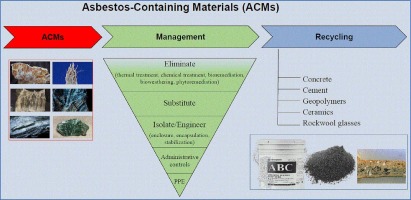
As the importance of asbestos removal grows, so does the need for a thorough understanding of the process. In this article, we will delve into the world of bonification, exploring the different methods of removing eternity from buildings and homes. From incapsulation to confinement, we’ll examine each technique, its benefits, and drawbacks, to help you make an informed decision.
Understanding Bonification
Before we dive into the specifics, let’s define what bonification is. Simply put, it’s the process of safely removing eternity from a building or home, ensuring that the air remains clean and free from toxic fibers. There are three primary methods: removal, incapsulation, and confinement.
Removal Eternit: The Most Invasive Method
Removal involves physically removing the eternity material, eliminating any risks associated with it. However, this method comes with significant drawbacks:
- High Costs: Removing eternity can be expensive, especially for large-scale projects.
- Environmental Impact: The process generates contaminants and toxic waste that are difficult to dispose of.
- Risk to Workers: Employees handling the material are exposed to high risks of inhalation and injury.
Removal is typically reserved for situations where other methods may not be feasible or effective. It’s essential to weigh the pros and cons before deciding on this approach, as it can have a significant impact on the project timeline and budget.
Incapsulamento Eternit: A More Contained Approach
Incapsulation involves applying a protective coating or film to the eternity material, encapsulating it and preventing further release. While this method has its advantages:
- Lower Costs: Incapsulation is generally less expensive than removal.
- Reduced Environmental Impact: The process generates fewer contaminants and waste.
However, there are also some limitations to consider:
- Stability Issues: The incapsulation material may degrade or become damaged over time, requiring periodic maintenance.
Incapsulation can be an effective solution for smaller-scale projects or areas where removal is not feasible. It’s essential to choose the right type of coating and ensure proper application to prevent any issues down the line.
Confinamento Eternit: A Barrier Approach
Confinement involves installing a physical barrier to separate the eternity-containing area from the rest of the building. This method is less invasive than removal but still carries some risks:
- Higher Costs: Confined areas can be more challenging and expensive to install.
- Risk of Contamination: If the barrier is compromised, the eternity material could escape.
Confinement is often used in conjunction with other methods or for larger-scale projects where removal or incapsulation may not be practical. It’s essential to choose the right type of barrier and ensure proper installation to prevent any issues.
Before Proceeding with Bonification
Before embarking on any bonification project, it’s essential to conduct a thorough assessment of the situation. This will help you:
- Identify Risks: Understand the potential hazards associated with the eternity material.
- Develop a Plan: Create a comprehensive plan for removal, incapsulation, or confinement.
This step is crucial in ensuring the success and safety of the project. It’s also essential to consult with professionals and follow local regulations and guidelines.
Smaltire L’Eternit: What to Expect
Once you’ve decided on a bonification method, it’s crucial to understand what to expect. In some cases, bonus amianto may still be available until 2016; however, this is subject to change and may not be applicable in all situations.
Frequently Asked Questions
Q: Is it safe to handle eternity material?
A: No, handling eternity material can pose significant health risks. It’s recommended to hire a professional contractor for removal and other bonification methods.
Q: Can I remove eternity from my home without professional help?
A: While possible, removing eternity from your home should only be done by trained professionals due to the risks involved.
Q: What are the costs associated with bonification?
A: The cost of bonification varies depending on the method used and the extent of the contamination. Removal is typically the most expensive approach.
Q: Is incapsulation a reliable long-term solution for eternity material?
A: While incapsulation can be an effective short-term solution, its reliability depends on various factors, including material quality and maintenance.
Q: What should I do with contaminated materials after bonification?
A: Contaminated materials must be disposed of through licensed waste management facilities to ensure safe handling and disposal.
Common Bonification Challenges
- Identifying Contamination: Accurately identifying the presence of eternity material can be challenging, requiring specialized testing equipment and expertise.
- Ensuring Safety: Proper safety protocols are essential when handling eternity material or during bonification projects.
- Managing Regulatory Compliance: Understanding local regulations and guidelines is crucial to ensure compliance and avoid potential fines or penalties.
- Coordinating with Contractors: Effective communication and project management are vital when working with contractors or professionals to undertake a bonification project.
Best Practices for Bonification
- Conduct Thorough Assessments: Accurately identify the presence of eternity material, assess the extent of contamination, and develop a comprehensive plan.
- Choose the Right Method: Select the most appropriate method based on factors such as cost, environmental impact, and risk to workers.
- Consult Experts: Collaborate with professionals to ensure proper execution of bonification methods and compliance with regulations.
- Ensure Safety Protocols: Implement robust safety measures when handling eternity material or during bonification projects.
Conclusion
Removing eternity from buildings and homes requires careful planning, specialized expertise, and attention to detail. By understanding the different methods of bonification, their benefits and drawbacks, and following best practices, you can ensure a successful and safe project.


