
Introduction
In today’s world, sustainability is no longer a buzzword, but a necessity. The clock is ticking, and it’s time for businesses, non-profit organizations, and governments to come together to address the pressing issues of our time. But what does sustainability mean, and why is it so urgent?
As we navigate the complexities of the 21st century, it’s essential to understand the significance of sustainability. It’s not just about being green; it’s about creating a better future for all of us. Sustainability encompasses three dimensions: environmental, social, and economic. By addressing these interconnected aspects, we can create a more resilient and sustainable world.
What is Sustainability?
Sustainability refers to the ability of our systems and resources to meet the needs of the present without compromising the ability of future generations to meet their own needs. This concept has evolved over time, and its meaning has become increasingly nuanced. As Rossella Sobrero, a leading expert on corporate social responsibility, puts it: “The issue is at the forefront of the agenda at Rio + 20, the United Nations Conference on Sustainable Development – and the urgency is to arrive quickly at a deep change that involves both businesses and consumers in a new and more constructive relationship.”
In essence, sustainability means creating a balance between economic growth, social equity, and environmental protection. It’s about making conscious choices that minimize harm to the environment, society, and our economy.
The Business Case for Sustainability
Businesses have a critical role to play in driving sustainability forward. By incorporating sustainable practices into their operations, companies can not only reduce costs but also improve their bottom line. As Michele Ciceri notes: “The company can suggest to the consumer a more conscious use of products and services, thereby playing an educational role.”
Sustainable businesses are becoming increasingly popular, as consumers demand eco-friendly products and services. Companies that prioritize sustainability can:
- Reduce costs associated with resource depletion
- Improve brand reputation and customer loyalty
- Attract top talent and investors who share their values
However, businesses must also be willing to listen to feedback from consumers who are increasingly demanding sustainability.
The Non-Profit Sector: Doing Good with Limited Resources
Non-profit organizations face unique challenges in achieving their goals. They must not only manage donations effectively but also maximize impact for beneficiaries. As the world’s population reaches 9 billion by 2050, non-profits will need to be even more efficient and effective.
To address these challenges, non-profits can:
- Develop robust business plans that prioritize sustainability
- Invest in data-driven decision-making to optimize operations
- Foster partnerships with businesses and governments to amplify impact
Government Accountability: Transparency and Efficiency
Governments are also under pressure to deliver. The public expects transparency and accountability in the management of public resources. With global warming and climate change on the rise, governments must take immediate action to reduce emissions and transition to renewable energy sources.
To achieve this goal, governments can:
- Establish clear policies and regulations that promote sustainability
- Invest in renewable energy infrastructure and green technologies
- Develop smart grids and energy storage systems to optimize energy efficiency
The Climate Crisis: A Growing Global Concern
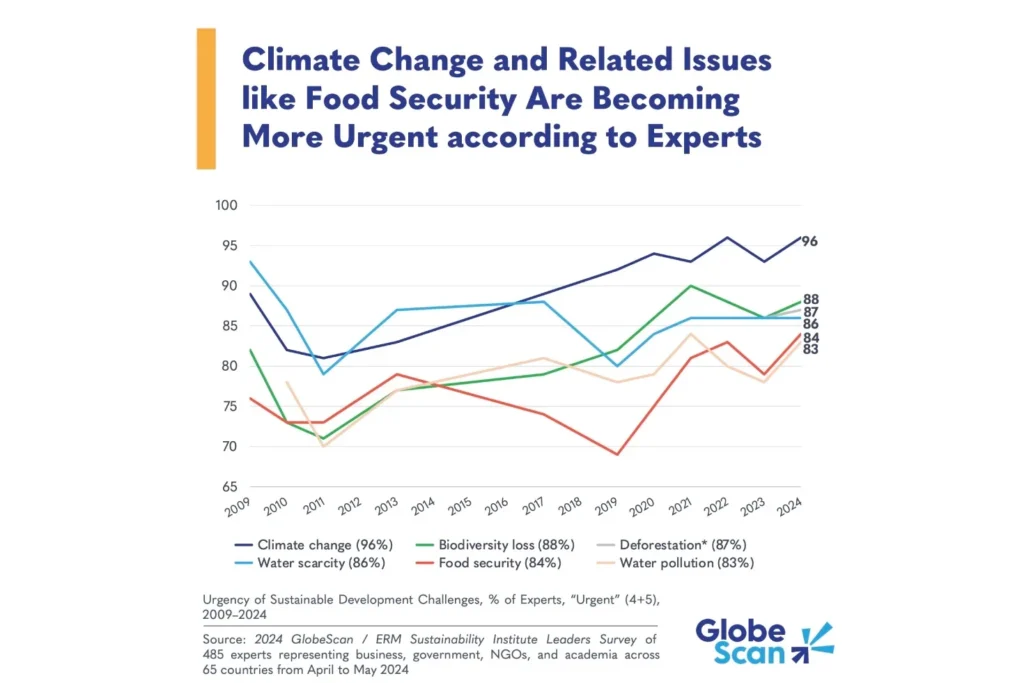
Global warming and climate change are no longer just concerns; they’re a reality. The Global Footprint Network’s WBCSD Vision 2050 warns that by 2030, we’ll need the resources of two and a half planets to survive.
This is not a drill – it’s time for urgent action. To address this crisis, governments, businesses, and individuals must work together to reduce greenhouse gas emissions and transition to sustainable practices.
The Role of Consumers: Making Sustainable Choices
Consumers have the power to drive change. By making conscious choices about the products they buy and services they use, they can create demand for sustainable practices.
As Rossella Sobrero notes, “The issue is at the forefront of the agenda at Rio + 20… and the urgency is to arrive quickly at a deep change that involves both businesses and consumers in a new and more constructive relationship.”
Consumers can make a difference by:
- Choosing eco-friendly products and services
- Supporting companies that prioritize sustainability
- Educating themselves about environmental issues and their impact on business decisions
Conclusion
Sustainability is no longer just a trend; it’s a necessity. Businesses, non-profits, and governments must work together to create a better future for all of us. As Michele Ciceri so aptly puts it: “The business can suggest to the consumer a more conscious use of products and services, thereby playing an educational role.”
The time for change is now – let’s get started! By working together, we can build a more sustainable world that benefits both people and the planet.
Recommendations
- Establish clear policies and regulations that promote sustainability
- Invest in renewable energy infrastructure and green technologies
- Develop smart grids and energy storage systems to optimize energy efficiency
- Foster partnerships between businesses, governments, and non-profits to amplify impact
- Educate consumers about environmental issues and their impact on business decisions
Frequently Asked Questions
- What does sustainability mean?
Sustainability refers to creating a better future for all of us by minimizing harm to the environment, society, and our economy. - Why is sustainability urgent?
The clock is ticking; we need immediate action to address global warming, climate change, and other pressing issues. - What role do businesses play in sustainability?
Businesses have a critical role to play in driving sustainability forward by incorporating sustainable practices into their operations. - How can consumers drive change?
Consumers can make conscious choices about the products they buy and services they use to create demand for sustainable practices. - What is the Global Footprint Network’s WBCSD Vision 2050?
The WBCSD Vision 2050 warns that by 2030, we’ll need the resources of two and a half planets to survive due to global warming and climate change. - How can governments address sustainability challenges?
Governments must prioritize transparency, accountability, and efficiency in managing public resources while reducing emissions and transitioning to renewable energy sources. - What is the importance of corporate social responsibility?
Corporate social responsibility (CSR) refers to a company’s responsibility to society and the environment; it’s essential for driving positive change. - Can non-profit organizations make a difference?
Yes, non-profits face unique challenges but can still achieve significant impact by being efficient and effective in their operations.
Glossary
- Sustainability: Creating a better future for all of us by minimizing harm to the environment, society, and our economy.
- Corporate Social Responsibility (CSR): A company’s responsibility to society and the environment; essential for driving positive change.
- Global Footprint Network: An organization that monitors global ecological footprints and sustainability challenges.
- Renewable Energy: Energy generated from natural resources such as sunlight, wind, and water.
- Sustainable Practices: Business practices that minimize harm to the environment, society, and our economy.
Resources
- United Nations Conference on Sustainable Development (Rio + 20): A global conference focused on sustainability and climate change.
- Global Footprint Network’s WBCSD Vision 2050: A report warning of the urgent need for sustainable practices to meet growing demands.
- World Business Council for Sustainable Development (WBCSD): An organization promoting business leadership in sustainable development.
Index
- Introduction
- What is Sustainability?
- The Business Case for Sustainability
- The Non-Profit Sector: Doing Good with Limited Resources
- Government Accountability: Transparency and Efficiency
- The Climate Crisis: A Growing Global Concern
- The Role of Consumers: Making Sustainable Choices
- Conclusion
- Recommendations
- Frequently Asked Questions


