
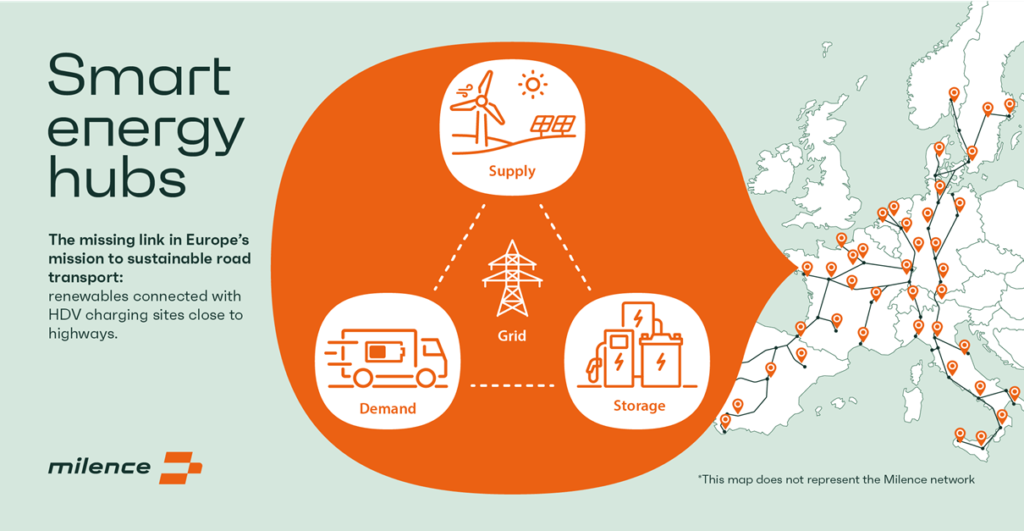
The European Union urgently needs a more efficient smart grid energy system. This requires infrastructure such as gas pipelines and electrical grids that can make the market more competitive, the network more flexible, and above all, an integrated system for energy supply. The situation is particularly critical in Italy, where a highly efficient electrical grid has resulted in very little competition within the energy sector.
In 2013, the European Parliament’s Energy Commission was tasked with reviewing the Ten-E regulation, trans-European energy networks. The goal was to favor competition among operators, reduce CO2 emissions, and bring down electricity bills for consumers while increasing the share of clean energy.
Currently, a “priority” project is awaiting approval after a lengthy process that typically lasts around 10 years. With the Ten-E regulation, the waiting time is expected to decrease to just three years and six months, ensuring faster approvals for projects designated as priority.
The regulation identifies twelve corridors of priority for energy transport. Italy is present in five of these corridors. A fundamental step for the boot is the elimination of so-called “Colli di bottiglia” that cause “congestions energetiques,” and thus, it’s anticipated to build more comprehensive and interconnected lines capable of distributing energy produced by alternative sources, primarily wind and solar power.
Three other corridors involving Italy feature gas supplies. In the southern corridor of Italy, there should be a transportation of Caspian methane in Europe. This is where Gazprom Russian and our Eni, along with other partners, have initiated construction on the South Stream pipeline. The problem with South Stream is that it doesn’t bring any novelty for Italy. It’s an alternative to traditional supplies from Moscow that avoids passing through Ukraine by using a submarine gas pipeline in the Black Sea.
A breath of fresh air will be brought by the corridor featuring a maxi-rete del Mare del Nord, which links offshore wind farms to land, with both electrical and gas networks aimed at ending the isolation of the Baltic area within the energy market. Especially in the gas sector, there is a single dominant player: Russia. Due to this “leadership,” monopolistic practices aren’t excluded.
Finally, we’re talking about Smart Grids, which the regulation mentions along with autostrade elettriche for speeding up the diffusion of clean energies. CCS technologies for carbon capture and storage are also included in this vision.
Key Elements of a Smart Grid Energy System
To create an efficient smart grid energy system, several key elements need to be considered:
- Integration: A comprehensive and interconnected network that enables seamless energy transfer between different sources.
- Efficiency: Implementing technologies like smart meters and automation systems to optimize energy distribution and reduce losses.
- Renewable Energy Integration: Encouraging the use of renewable energy sources like solar, wind, and hydroelectric power to decrease dependence on fossil fuels.
Importance of Gas Pipelines in Europe
Gas pipelines play a crucial role in Europe’s energy landscape. They enable the transportation of natural gas from various countries to different parts of the continent. The South Stream pipeline, for instance, is part of this network. While it brings some benefits, such as reducing reliance on Russian supplies, its impact on Italy and other European countries has been debated.
The Need for a Single, Unified Energy Market
A single, unified energy market would facilitate competition among operators, drive innovation, and reduce costs for consumers. The current system is fragmented, with different countries and regions operating under distinct regulatory frameworks. This hinders the efficient use of resources and limits the adoption of new technologies.
Challenges and Opportunities
The transition to a smart grid energy system presents numerous challenges, including:
- High Upfront Costs: Implementing new infrastructure requires significant investment.
- Technical Complexity: Integrating different energy sources and transmission systems demands advanced technical expertise.
- Policy Frameworks: Regulatory environments must be conducive to innovation and competition.
However, these challenges also offer opportunities for growth and development. A well-designed smart grid system can:
- Increase Energy Efficiency: By optimizing energy distribution and reducing losses.
- Promote Renewable Energy: By encouraging the use of clean energy sources and enabling greater integration with existing infrastructure.
- Enhance Security: By reducing dependence on a single supplier and increasing resilience to disruptions.
A European Smart Grid System: A Future Worth Exploring
The creation of an efficient smart grid energy system is no easy task. However, the benefits of such a system are undeniable. With the Ten-E regulation providing a clear roadmap for the future, we can envision a Europe where energy is harnessed efficiently and sustainably.
A Single, Unified Energy Market: The Key to Unlocking Europe’s Full Potential
The transition to a smart grid energy system requires more than just technological advancements. It demands a fundamental shift in how we think about energy production, distribution, and consumption. A single, unified energy market is the key to unlocking this potential.
Conclusion
The European Union’s energy landscape is undergoing a significant transformation. The rise of smart grids and autostrade dell’energia holds promise for creating a more efficient, sustainable, and competitive energy system. As we move forward, it’s essential to address the challenges and seize the opportunities presented by this transition.
Q: How does the Ten-E regulation aim to improve Europe’s energy landscape?
A: The Ten-E regulation aims to favor competition among operators, reduce CO2 emissions, and bring down electricity bills for consumers while increasing the share of clean energy.
Q: What is the significance of the South Stream pipeline in Italy’s energy landscape?
A: The South Stream pipeline brings some benefits, such as reducing reliance on Russian supplies, but its impact on Italy and other European countries has been debated.
Q: Why is a single, unified energy market essential for Europe’s energy future?
A: A single, unified energy market would facilitate competition among operators, drive innovation, and reduce costs for consumers, ultimately creating a more efficient and sustainable energy system.


