
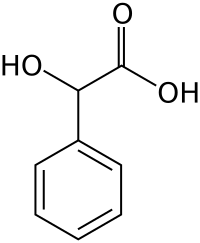
Mandelic acid is one of the true allies in the fight against premature aging and skin care. Alongside other acids like malic, glycolic, and lactic acid, it belongs to the alpha-hydroxy acid category and is widely used in cosmetics. But when did this powerful ingredient come into play, and what makes it so effective for exfoliating and brightening the skin?
What is Mandelic Acid?
The molecular formula of mandelic acid is C6H5CH(OH)CO2H. For those familiar with chemistry, it’s a solid crystalline substance that dissolves in water, ether, and isopropyl alcohol. In nature, this acid can be found as large transparent crystals or polynomials.
The Discovery of Mandelic Acid
Mandelic acid was discovered accidentally during the process of heating an extract of bitter almonds diluted in hydrochloric acid. The resulting product contained amigdaline, which explains why it’s also known as “amigdalic acid.” Its name comes from the German word for almond, “mandel.”
History of Mandelic Acid
The history of mandelic acid dates back to the 18th century, when it was first isolated and named by French chemist Charles Louis Alphonse Lavoisier. Initially, it was thought to be a compound found in almonds, but further research revealed its unique properties.
In the early 20th century, mandelic acid began to gain popularity as an ingredient in various pharmaceutical applications. However, it wasn’t until the 1970s that it started to be used extensively in the cosmetic industry for its exfoliating and brightening properties.
Applications and Uses
While often associated with cosmetics and dermatology, mandelic acid has been used beyond these fields. In the past, it was even employed to treat urinary tract infections due to its antibacterial properties. Additionally, it has been attributed with antibiotic properties, which is why some countries have used it to treat specific conditions.
Mandelic acid entered the world of cosmetics in the 1970s, primarily as an ingredient in creams and products designed to lighten and exfoliate the skin. Today, it remains a highly sought-after ingredient in the cosmetic industry, used in the creation of creams, gels, and masks that target various skin concerns.
Derivatives of Mandelic Acid
Further research has uncovered that mandelic acid can be converted into drugs like omatropine and ciclandelate, both of which are derived from this alpha-hydroxy acid. Omatropine is an anticolinergic used to treat uveitis, while ciclandelate is a spasmolytic used to treat peripheral vascular diseases.
Mandelic Acid in Cosmetics
In the realm of cosmetics and dermatology, mandelic acid is widely recognized as an effective exfoliant. It’s particularly useful during laser treatments or pre- and post-treatment skin care routines, as it helps soothe irritated skin.
This alpha-hydroxy acid has also been proven to be beneficial in treating acne vulgaris, reducing the proliferation of Propionibacterium acnes bacteria, and exhibiting antibacterial properties that make it effective against comedones. It’s used to treat other skin issues such as discromia cutanea (e.g., patches on the skin related to photo-aging) and melasma.
Furthermore, mandelic acid has been found to have a detoxifying effect on the skin and can be an alternative treatment for rosacea. Its ability to help improve signs and symptoms associated with acne pustulosa/papulosa makes it a valuable ingredient in cosmetics designed to address these issues.
Benefits of Mandelic Acid
Mandelic acid is known for its exfoliating properties, and one of its most significant advantages is that it doesn’t have any adverse effects on the skin. Unlike other alpha-hydroxy acids, such as glycolic acid, mandelic acid does not cause irritation or redness.
Unlike glycolic acid, which can make the skin more sensitive to sunlight, mandelic acid has no known photosensitizing effects. This means that users can safely use products containing mandelic acid before going out into the sun.
One should note, however, that it’s still a good idea to follow up with a nourishing and soothing product after using a chemical peel or exfoliant like mandelic acid. A gentle moisturizer or cream infused with natural ingredients such as calendula can be beneficial for maintaining skin hydration.
Conclusion
Mandelic acid is an impressive ingredient in the fight against premature aging and skin issues, offering benefits that far surpass its fellow alpha-hydroxy acids. Its effectiveness as an exfoliant, combined with its safety profile and lack of adverse reactions, make it a staple in the cosmetic industry.
As we continue to explore this powerful ingredient, remember to consult with experts or professionals before using any new products containing mandelic acid. Always prioritize your skin’s health and well-being!
Frequently Asked Questions:
-
What are the benefits of using mandelic acid?
Mandelic acid is known for its exfoliating properties and has been proven to treat various skin concerns such as acne, discromia cutanea, melasma, and rosacea. -
Is mandelic acid safe to use on all skin types?
Yes, it’s generally considered safe for most skin types. However, consult a dermatologist or healthcare professional if you have specific questions about your individual skin concerns. -
Can I use products containing mandelic acid while still protecting my skin from the sun?
While there is no known photosensitizing effect of mandelic acid, it’s always recommended to follow up with a broad-spectrum sunscreen after using exfoliating or chemical peels. -
What are some potential side effects of using mandelic acid products?
Typically, there are no adverse reactions associated with the use of mandelic acid-based cosmetics. However, individuals with sensitive skin may experience minor irritation during initial application. -
How often can I safely apply products containing mandelic acid to my skin?
The frequency of usage depends on individual skin concerns and needs. Always consult a dermatologist or healthcare professional for personalized advice on incorporating mandelic acid into your skincare routine.
-
Can I get results from using mandelic acid alone, or should I combine it with other treatments?
While mandelic acid can be effective when used as part of a comprehensive skincare plan, combining it with other products (such as retinoids or vitamin C) may enhance its benefits for specific skin concerns. -
Are there any specific precautions I need to take while using mandelic acid?
It’s recommended that you consult with an expert before starting any new skincare treatments, especially if you have sensitive skin. Always follow product instructions carefully and start with low concentrations before gradually increasing as needed.
- Can I purchase products containing mandelic acid at most retail stores?
While not universally available in all stores, many online retailers offer a wide range of cosmetics that contain mandelic acid.


