
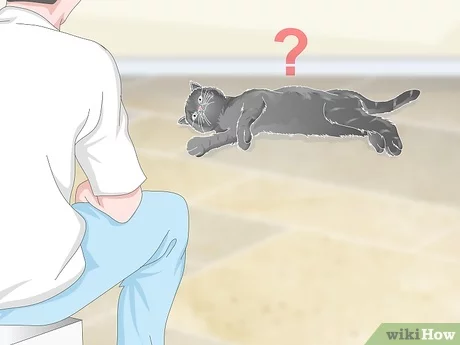
Cats vomiting is a common issue that can be caused by various factors, such as ingesting fur, spoiled or toxic food, gastrointestinal diseases, or parasites. If your cat is vomiting, it’s essential to understand the cause and seek a solution to alleviate their suffering.
Understanding the Signs of Nausea in Cats
There are several signs that may indicate your cat needs to vomit. These behaviors can be premonitory and should be taken seriously by attentive cat owners. Some common symptoms include:
- Behavioral Changes: Your cat may become restless, irritable, or agitated.
- Hiding or Isolation: Cats may seek solitude or hide in a quiet spot.
- Licking Lips or Chewing: Excessive licking of the lips or repetitive swallowing can be indicative of nausea.
- Rapid Breathing: A cat experiencing nausea may exhibit rapid, shallow breathing.
Frequent and Urgent Vomiting
The frequency and urgency of vomiting in cats can vary depending on the underlying cause. Some cats may vomit only occasionally, while others may experience frequent episodes. If your cat is vomiting frequently or showing signs of dehydration (excessive thirst, decreased urine output, sunken eyes), it’s crucial to consult a veterinarian as soon as possible.
Safe Methods for Inducing Vomiting
In some cases, inducing vomiting might be necessary to prevent complications or remove toxic substances from the system. However, it’s essential to use only safe and recommended methods. Here are two safe methods:
- Using Malto and Olive Oil: Malto is a sugar-based product that helps dissolve accumulated fur in the stomach, while olive oil lubricates the intestines and facilitates expulsion of stomach contents.
- Dosage: Mix 1 teaspoon of malto with 1 tablespoon of olive oil. Administer this mixture on the cat’s tongue or mixed into their food.
- Massaging the Abdomen: This method helps stimulate the vomiting reflex by gently massaging the abdomen in a circular motion.
When to Consult a Veterinarian
Consulting a veterinarian is vital when dealing with your cat’s vomiting. Here are some situations that require immediate veterinary attention:
- Frequent or Severe Vomiting: If your cat vomits frequently, is showing signs of dehydration, or has blood in their stool.
- Toxic Ingestion: If you suspect your cat ingested something toxic, such as a household cleaning product or medication.
- Other Symptoms: If your cat also exhibits diarrhea, loss of appetite, lethargy, or abdominal pain.
Professional Treatment
A veterinarian can provide professional treatment for your cat’s vomiting. Some possible treatments include:
- Medications: Emetic medications to induce vomiting safely and effectively.
- Dietary Changes: A bland diet or a specific type of food that’s easier for your cat to digest.
- Probiotics: To maintain a healthy gut microbiome and prevent future episodes.
Prevention is Key
To keep your cat healthy and prevent vomiting, focus on:
- Balanced Diet: Ensure your cat eats a well-balanced diet that meets their nutritional needs.
- Reducing Stress: Provide a calm environment, plenty of playtime, and a regular routine to minimize stress.
Other Factors to Consider
Here are some other factors to consider when dealing with your cat’s vomiting:
- Age and Health Status: Senior cats or those with pre-existing health conditions may require more cautious treatment.
- Previous Medical History: Any previous medical issues or allergies should be taken into account when determining the best course of action.
Managing Your Cat’s Vomiting
Managing your cat’s vomiting can be challenging, but there are steps you can take to make it easier:
- Keep a Food Diary: Tracking what and when your cat eats can help identify potential triggers.
- Monitor Their Behavior: Keep an eye on your cat’s behavior and report any changes or concerns to your veterinarian.
- Maintain a Clean Environment: Regularly clean your home to prevent the spread of bacteria and other pathogens.
When to Seek Emergency Veterinary Care
Seek emergency veterinary care if you notice any of the following:
- Vomiting Blood or Black Tarry Substance: If your cat vomits blood or black tarry substance, seek immediate attention.
- Severe Abdominal Pain: If your cat shows signs of severe abdominal pain, such as panting, pacing, or restlessness.
- Difficulty Breathing: If your cat experiences difficulty breathing or rapid breathing.
Conclusion
Vomiting in cats can be caused by a variety of factors, and it’s essential to understand the signs and symptoms to provide the best care for your feline friend. By consulting with a veterinarian, using safe methods for inducing vomiting, and taking preventative measures, you can help alleviate your cat’s suffering and maintain their overall health.


