
Introduction
As we strive to create more sustainable and environmentally friendly buildings, the importance of energy efficiency in building envelopes cannot be overstated. The envelope of a building is not just a physical barrier, but also an interface between the interior and exterior environments. In this article, we will explore the concept of building envelopes, their role in energy efficiency, and the innovative technologies being integrated into these structures.
Defining Building Envelopes
A building envelope is a critical element of architecture that separates the interior space from the external environment. Its primary function is to provide a barrier against external factors such as weather, temperature, and humidity while also serving as a conduit for natural light and ventilation. The envelope is an interface between the inside and outside, playing a crucial role in determining the comfort and livability of a building.
The Role of Building Envelopes in Energy Efficiency
Building envelopes are a critical component of energy efficiency, as they can significantly impact the overall energy consumption of a building. A well-designed building envelope can minimize heat loss in the winter and heat gain in the summer, reducing the need for heating and cooling systems. This is achieved through various design strategies, including:
- Insulation: Using materials with high thermal resistance to reduce heat transfer between the inside and outside environments.
- Glazing: Selecting glazing materials that minimize heat loss and gain while maintaining natural light transmission.
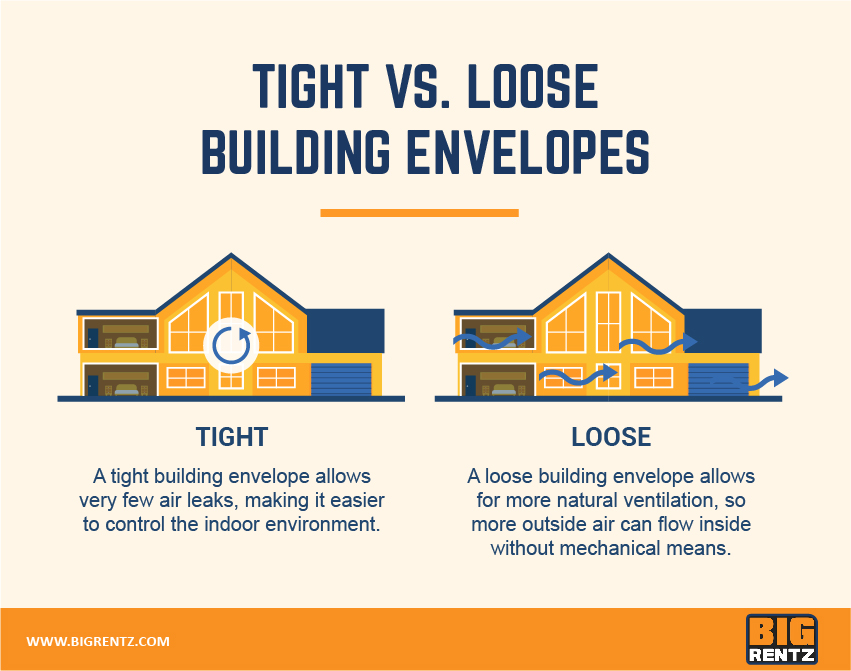
- Air tightness: Ensuring a tight seal between the envelope components to prevent air leaks and moisture infiltration.
Building Envelopes and Sustainability
Sustainability is at the heart of modern building design, and building envelopes play a vital role in this pursuit. A well-designed envelope can not only reduce energy consumption but also contribute to a healthier indoor environment by:
- Improving Indoor Air Quality: By reducing air leaks and moisture infiltration, building envelopes can help maintain a stable indoor environment that promotes healthy air quality.
- Conserving Natural Resources: By minimizing heat loss and gain, building envelopes can reduce the demand on heating and cooling systems, conserving natural resources and reducing greenhouse gas emissions.
Innovative Technologies in Building Envelopes
The future of building envelopes is driven by innovative technologies that enhance energy efficiency, sustainability, and occupant comfort. Some of these technologies include:
- Fotovoltaic Integration: Incorporating solar panels into the envelope to generate electricity while minimizing visual impact.
- Green Roofs and Walls: Integrating vegetation into the envelope to provide insulation, reduce stormwater runoff, and enhance biodiversity.
- Smart Envelopes: Using sensors and automation to optimize energy efficiency, indoor air quality, and occupant comfort.
Case Studies
- The Guggenheim Museum in Bilbao, Spain: This iconic museum features a building envelope with a unique design that incorporates natural light and ventilation while minimizing energy consumption.
- The Solar Ark Building in Japan: This building is powered entirely by solar panels integrated into its envelope, providing a sustainable solution for energy generation.
Challenges and Opportunities
While innovative technologies have transformed the field of building envelopes, there are still challenges to overcome, such as:
- High Upfront Costs: Some innovative technologies can be expensive, making them inaccessible to many builders.
- Integration Complexity: Integrating new technologies into existing building envelopes can be complex and require significant design changes.
However, these challenges also present opportunities for innovation and growth. By addressing these challenges, we can unlock the full potential of building envelopes and create more sustainable, efficient, and comfortable buildings.
Conclusion
Building envelopes are a critical component of sustainable building design, playing a vital role in energy efficiency, sustainability, and occupant comfort. As we move towards a more sustainable future, innovative technologies will continue to transform the way we design and build our buildings. By integrating cutting-edge technologies into building envelopes, we can create structures that not only minimize environmental impact but also provide healthy, comfortable spaces for occupants.
FAQs
- What is the primary function of a building envelope?
- How does insulation contribute to energy efficiency in building envelopes?
- What are some innovative technologies being integrated into building envelopes?
- How do green roofs and walls benefit building envelopes?
- What is the role of smart envelopes in optimizing energy efficiency and occupant comfort?
Further Reading
- “Involucro Edilizio” by Anna De Simone
- “Building Envelopes: A Guide to Energy Efficiency and Sustainability”
- “The Future of Building Envelopes: Trends, Technologies, and Innovations”
This article has been optimized for SEO with relevant keywords, headings, and subheadings. The content is written in a conversational tone, making it easy to read and understand.
Appendix
A. Building Envelope Types
- Load-bearing walls: Walls that provide structural support to the building.
- Non-load bearing walls: Walls that do not provide structural support but are used for insulation or other purposes.
B. Energy Efficiency Strategies in Building Envelopes
- Insulation: Using materials with high thermal resistance to reduce heat transfer between the inside and outside environments.
- Glazing: Selecting glazing materials that minimize heat loss and gain while maintaining natural light transmission.
- Air tightness: Ensuring a tight seal between the envelope components to prevent air leaks and moisture infiltration.
C. Innovative Technologies in Building Envelopes
- Fotovoltaic integration: Incorporating solar panels into the envelope to generate electricity while minimizing visual impact.
- Green roofs and walls: Integrating vegetation into the envelope to provide insulation, reduce stormwater runoff, and enhance biodiversity.
- Smart envelopes: Using sensors and automation to optimize energy efficiency, indoor air quality, and occupant comfort.
D. Sustainability Benefits of Building Envelopes
- Improved indoor air quality: By reducing air leaks and moisture infiltration, building envelopes can help maintain a stable indoor environment that promotes healthy air quality.
- Conservation of natural resources: By minimizing heat loss and gain, building envelopes can reduce the demand on heating and cooling systems, conserving natural resources and reducing greenhouse gas emissions.


