
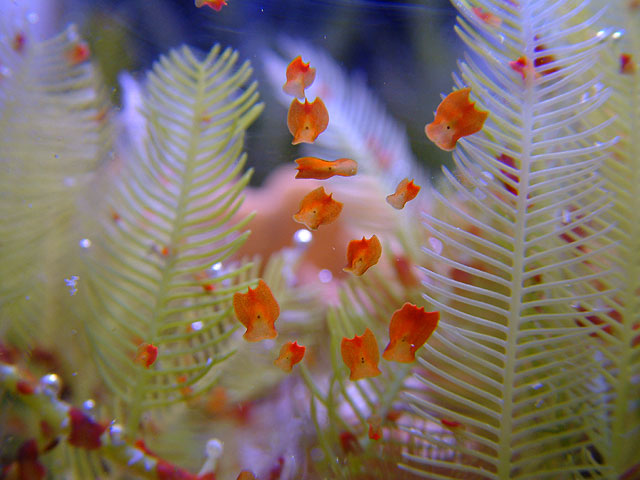
Are you tired of dealing with pesky planarians in your aquarium? These unwanted guests can cause more harm than good, and it’s time to take action. In this article, we’ll explore various methods for getting rid of planarians, from natural remedies to commercial products.
Understanding Planarians
Planarians are a type of flatworm that can infest aquariums. They’re notorious for their ability to multiply quickly, outcompeting native species for food and resources. Planarians can also cause damage to corals and other marine life by feeding on their tissues.
Prevention is Key
While it’s impossible to completely prevent planarian infestations, there are steps you can take to reduce the risk:
- Regularly clean your aquarium and remove any debris that may be providing a food source for planarians.
- Use a high-quality filter that can capture small organisms like planarians.
- Avoid introducing new fish or invertebrates to your aquarium without proper quarantine and treatment.
Natural Remedies
If you’re looking for a more natural approach, here are some methods that have been known to work:
1. Replace Substrate
If the infestation is severe, it may be necessary to replace the substrate in your aquarium. This will ensure that any planarians present are removed along with their food source.
- Choose a new substrate that is specifically designed for marine aquariums and is free of contaminants.
- Rinse the new substrate thoroughly before adding it to your aquarium.
- Replace all decorations, rocks, or other inanimate objects that may be harboring planarians.
2. Complete Water Change
A complete water change can help reduce the number of planarians in your aquarium. Make sure to use dechlorinated water and a proper filter system to prevent further contamination.
- Perform a partial water change of at least 20-30% of the aquarium’s volume.
- Use a gravel vacuum or siphon hose to remove any debris from the substrate.
- Replace the old water with fresh, dechlorinated water that is specifically designed for marine aquariums.
3. Osmotic Bathing**
Osmotic bathing involves immersing corals or other marine animals in a solution of fresh water to remove any remaining planarians. Be sure to monitor the coral’s health after this process, as it may require additional care.
- Mix a solution of freshwater with a small amount of saltwater (1:10 ratio).
- Soak the coral or animal for 30 minutes to an hour in the osmotic bath.
- Rinse the coral or animal thoroughly before returning it to its aquarium.
4. Cleaning Equipment and Tubing
Regularly cleaning your equipment and tubing can help prevent planarian infestations. Use a soft-bristled brush or scrubber to gently clean any debris from the surfaces of your equipment.
- Clean all equipment, including pumps, filters, and heaters.
- Scrub all tubes and hoses with a gentle scrubber or toothbrush.
- Rinse all equipment thoroughly before returning it to use.
5. Using Predators
Some fish species are natural predators of planarians, such as the Pseudocheilinus hexataenia. Introducing these species into your aquarium may help control the population of planarians.
- Research different species that are known to prey on planarians.
- Choose a species that is compatible with your existing aquarium inhabitants.
- Acclimate the new fish slowly before introducing it to the main tank.
Commercial Products
If you’re looking for a more effective solution, there are several commercial products available that can help get rid of planarians:
1. Flatworm Exit by Salifert
Flatworm Exit is a popular product specifically designed to eliminate flatworms from aquariums. It’s available online and works by releasing chemicals that kill the worms.
- Follow the manufacturer’s instructions for use.
- Mix the solution according to the instructions.
- Apply the solution to areas of the aquarium where planarians are present.
- Monitor the aquarium closely after treatment, as some planarians may not be killed immediately.
2. Levamisol
Levamisol is an anti-elmintic medication that can be used to treat planarian infestations. It’s available at most pharmacies and can be diluted in water for use in your aquarium.
- Consult with a veterinarian or aquarium expert before using Levamisol.
- Follow the manufacturer’s instructions for dosing and application.
- Use the medication in conjunction with other methods, such as changing the substrate or performing regular cleanings.
Important Notes
- Always follow the manufacturer’s instructions when using any commercial products.
- Planarians may not be completely eliminated by these methods, so patience is key.
- Regular monitoring of your aquarium’s health is necessary to ensure that planarian infestations are under control.
- In some cases, a combination of natural remedies and commercial products may be more effective than using one method alone.
Additional Tips
- Avoid overfeeding your aquarium inhabitants, as this can lead to increased waste production and create an environment conducive to planarian growth.
- Regularly test the water quality in your aquarium to ensure that it is safe for your aquatic life.
- Consider using a planarian trap or net to capture and remove any unwanted flatworms.
By understanding the methods for getting rid of planarians and taking steps to prevent future infestations, you can enjoy a healthier and more balanced aquarium ecosystem.


