
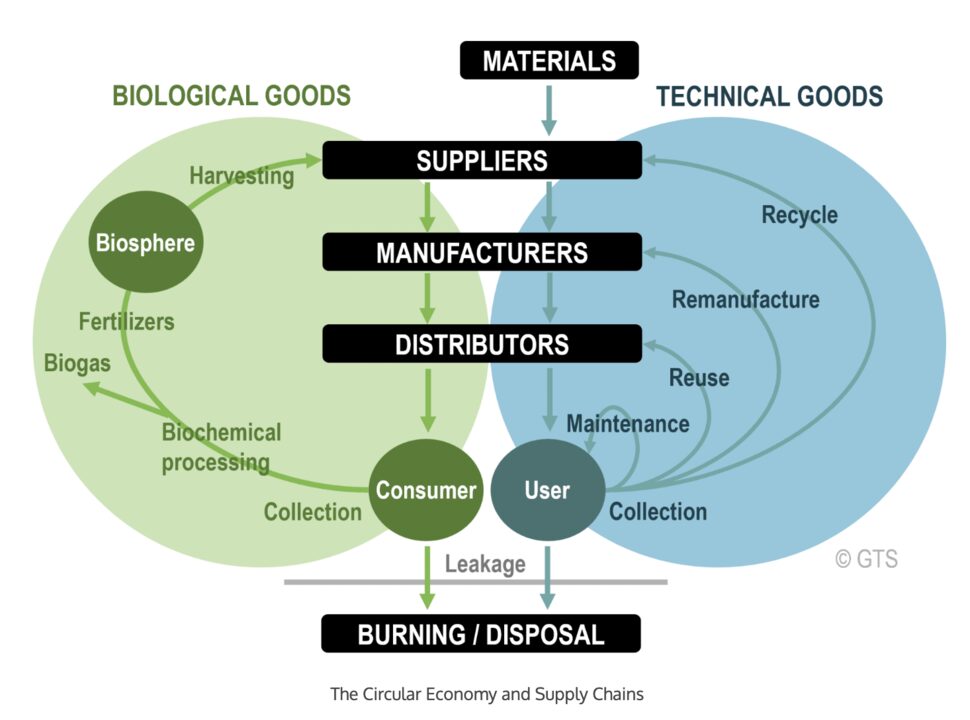
As the world grapples with the challenges of climate change, sustainability has become an increasingly important topic in various industries. One area that is often overlooked is the supply chain, which plays a crucial role in the movement of goods from manufacturing to consumers. In this article, we will explore the importance of a sustainable supply chain and what it means for businesses, the environment, and society as a whole.
What is a Supply Chain?
A supply chain refers to the entire process of moving goods from the point of origin to the end consumer. It encompasses not only transportation but also storage, inventory management, and production. In essence, it’s the “chain” that links the various stages of the product lifecycle, from raw material sourcing to delivery to the customer.
Why is a Sustainable Supply Chain Important?
There are two primary reasons why a sustainable supply chain is crucial:
- Environmental Impact: The transportation sector is one of the largest contributors to greenhouse gas emissions. By reducing carbon footprint, we can mitigate climate change and its devastating consequences. The European Union has set ambitious targets to reduce CO2 emissions by 30% by 2020, and the transportation sector must play a significant role in achieving this goal.
- Social Responsibility: Sustainability is not just about environmental protection; it’s also about respecting human rights and fair labor practices. A sustainable supply chain ensures that the entire value chain is aligned with these principles, promoting ethical business practices and responsible production.
The Challenge of Sustainable Supply Chain Management
Achieving sustainability in a supply chain is no easy task. As Paolo Bisogni, President of AILOG, emphasized during a recent event, “Sustainable supply chain management requires a different approach to traditional logistics and procurement.” Alfonz Antoni, Vice-President of ELA, added that the European Union’s environmental programs rely on reducing CO2 emissions by 30%, with transportation accounting for 15% of this goal. How can businesses achieve this?
Alliance between Marketing and Supply Chain
One potential solution is to align marketing and supply chain functions. Traditional logistics often prioritizes speed over sustainability, neglecting the long-term consequences of its actions. In contrast, sustainable supply chains require a more patient approach, focusing on responsible production practices and fair labor standards.
Renzo Zarantonello, President of ADACI, emphasized the importance of synchronizing marketing strategies with supply chain management to ensure that businesses prioritize both short-term gains and long-term sustainability goals. “We need to rethink our approach to supply chain management,” he said. “It’s not just about efficiency; it’s about doing what’s right for people and the planet.”
Green Logistics: The Unsung Hero of Sustainable Supply Chains
Green logistics is a critical component of sustainable supply chains, as it enables businesses to reduce their environmental footprint while maintaining high levels of service quality. Green logistics solutions include:
- Electric and hybrid vehicles: These vehicles offer significant reductions in greenhouse gas emissions compared to traditional diesel-powered vehicles.
- Alternative fuels: Companies are exploring the use of alternative fuels such as biofuels, hydrogen fuel cells, and compressed natural gas (CNG) to power their fleets.
- Optimized routes: By analyzing traffic patterns, weather conditions, and other factors, logistics companies can optimize routes to reduce fuel consumption and lower emissions.
- Load optimization: Load optimization strategies aim to minimize empty miles, improve load distribution, and reduce the need for excess capacity.
Waste Reduction: A Key Aspect of Sustainable Supply Chains
Waste reduction is an essential aspect of sustainable supply chains, as it helps businesses minimize their environmental impact while also reducing costs. Some effective waste reduction strategies include:
- Supply chain consolidation: By consolidating suppliers, logistics companies can reduce the number of transactions and lower the associated emissions.
- Sustainable packaging: Companies are exploring alternative packaging materials that are biodegradable, recyclable, or reusable, reducing waste and promoting a circular economy.
- Recycling and upcycling: Logistics companies are investing in recycling and upcycling programs to recover valuable resources from materials that would otherwise end up in landfills.
Employee Engagement: The Key to Success
Sustainable supply chains rely heavily on employee engagement and participation. Companies must foster an organizational culture that prioritizes sustainability, encourages employees to take ownership of environmental initiatives, and provides them with the necessary training and resources to make a positive impact.
Some effective strategies for engaging employees include:
- Employee volunteer programs: Encourage employees to participate in community service projects or volunteer opportunities related to sustainability.
- Sustainability training: Provide employees with training on sustainable practices, such as reducing energy consumption, conserving water, and promoting waste reduction.
- Recognition programs: Recognize and reward employees who demonstrate a commitment to sustainability and make positive contributions to the organization’s environmental initiatives.
Conclusion
The sustainable supply chain is a critical component of a greener and more responsible future. By understanding its importance, businesses can make informed decisions that prioritize both environmental sustainability and social responsibility. As we move forward, it’s essential to recognize the interconnectedness of our actions and their impact on the world around us.
Frequently Asked Questions (FAQs)
- What is a sustainable supply chain?
A sustainable supply chain refers to an entire process that prioritizes environmental sustainability and social responsibility throughout its various stages, from production to delivery to the end consumer.
- Why is it important to reduce carbon footprint in transportation?
Reducing carbon footprint in transportation is crucial for mitigating climate change and meeting global targets to limit warming to 2°C by 2020.
- What are some strategies for aligning marketing and supply chain functions?
Some strategies include adopting a more patient approach, prioritizing responsible production practices, and focusing on fair labor standards to ensure that businesses prioritize both short-term gains and long-term sustainability goals.
- How can businesses measure the effectiveness of their sustainable supply chain management?
Businesses can use various metrics, such as carbon footprint reduction, waste management efficiency, and employee satisfaction surveys, to evaluate the success of their sustainable supply chain strategies.
- What role does social responsibility play in a sustainable supply chain?
Social responsibility is essential for ensuring that businesses prioritize fair labor practices, human rights, and community engagement throughout their entire value chain.
- Can a sustainable supply chain impact a company’s bottom line?
Yes, adopting sustainable practices can lead to cost savings, improved brand reputation, and increased customer loyalty, ultimately benefiting a business’s bottom line.
- How can governments support the development of sustainable supply chains?
Governments can implement policies such as carbon pricing, tax incentives for green transportation, and regulations that promote responsible production practices to encourage businesses to adopt more sustainable supply chain strategies.
- What are some best practices for implementing a sustainable supply chain management system?
Some best practices include conducting thorough risk assessments, setting clear sustainability goals, engaging stakeholders, and investing in technology solutions to support data-driven decision-making.


