
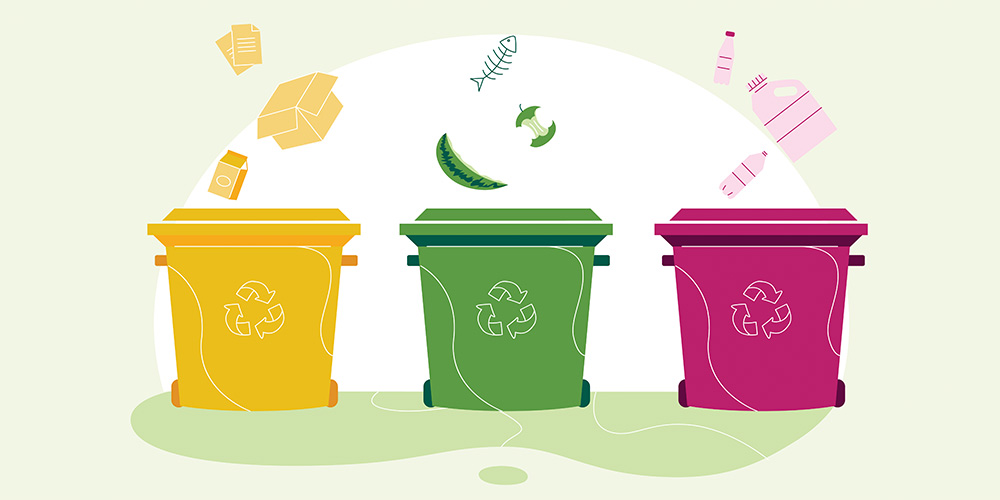
As the world grapples with the rapid depletion of natural resources, it’s becoming increasingly clear that our reliance on waste management is unsustainable. The weight of waste is suffocating our planet, and it’s time to take action. One way to make a difference is by recycling at home.
The European Union’s Green Agenda
In 2016, the European Union set a goal to reduce organic waste in landfills to 35%. This ambitious target highlights the need for individual actions to contribute to a more sustainable future. By increasing recycling rates and reducing waste, we can make a significant impact on our environment.
The Benefits of Home Recycling
By adopting a recycling habit at home, you’ll not only reduce your environmental footprint but also contribute to a more sustainable future. Some additional benefits include:
- Reduced waste sent to landfills
- Conserved natural resources
- Energy savings from reduced production processes
- Increased recycling rates in your community
Getting Started with Home Recycling
So, where do you begin? The good news is that it’s easier than ever to start recycling at home. Here are some simple steps to get you started:
Cardboard and Paper
- Newspapers, magazines, catalogs, and cardboard boxes can be recycled.
- Avoid recycling paper products with wax or glue coatings.
- Set aside cardboard tubes from toilet paper and paper towel rolls for reuse.
Plastic Bottles and Containers
- Clean and dry plastic containers, bottles, and cans can be recycled.
- Remove lids and labels before recycling.
- Check with your local recycling program to see if they accept specific types of plastics (e.g., PET, PVC, PE).
Metal Cans
- Aluminum and steel cans are highly recyclable.
- Rinse and sort cans by material type (aluminum, steel).
- Avoid recycling aluminum foil or pie plates.
Other Materials
- Batteries (alkaline, nickel-cadmium, lithium-ion) can be recycled at participating retailers or through local collection programs.
- Used oil and filters can be taken to designated centers for proper disposal.
- Prescription medication and household hazardous waste should be disposed of through specific programs.
Tips and Tricks for Successful Home Recycling
- Use separate recycling bins: Designate a specific area for recycling to keep materials organized and easily accessible.
- Label and sort recyclables: Clearly label each bin with the type of material it contains, and sort items by category (paper, plastic, glass).
- Participate in curbside programs: Many communities offer curbside recycling services; check your local guidelines for specific requirements.
The Impact on Our Community
By participating in home recycling efforts, you’ll be contributing to a more sustainable future for our community. Your actions can have a ripple effect, inspiring others to do the same. Some potential outcomes include:
- Increased recycling rates and reduced waste sent to landfills
- Improved air and water quality due to reduced pollution from waste disposal methods
- Economic benefits through reduced energy consumption and increased use of recycled materials
Overcoming Common Obstacles
However, there may be obstacles that stand in the way of adopting a home recycling habit. Some common challenges include:
- Lack of knowledge about what can be recycled
- Limited access to recycling facilities or programs
- Difficulty sorting recyclables from non-recyclables
- Concerns about contamination or incorrect handling
Overcoming These Challenges
To overcome these obstacles, consider the following strategies:
- Research local recycling guidelines and facilities
- Educate yourself on what materials are accepted for recycling
- Invest in clear labeling and sorting systems
- Participate in community events and workshops to learn more about sustainable waste management practices
The Role of Education and Awareness
Education and awareness play a crucial role in promoting home recycling efforts. By sharing knowledge and experiences, we can inspire others to join the movement towards sustainability.
Some ways to educate yourself and others include:
- Attending environmental workshops or seminars
- Participating in online forums and social media groups focused on sustainable living
- Sharing your own experiences and tips with friends and family
- Supporting organizations that promote waste reduction and recycling practices
The Future of Home Recycling
As we continue to navigate the challenges of sustainability, it’s essential to stay informed about emerging trends and technologies. Some innovative approaches to home recycling include:
- Zero-waste living and minimalism
- Community-led initiatives for waste reduction and recycling
- Circular economy principles for designing products and services that minimize waste
Conclusion: Every Small Action Counts
Home recycling may seem like a small step, but it’s a crucial part of the larger movement towards sustainability. By making a few simple changes at home, you’ll be helping to reduce waste and promote environmental stewardship. So why not start today? Gather some supplies, sort your materials, and join the thousands of individuals working together to create a more circular economy.
Frequently Asked Questions
- What can I recycle in my community?
Check with your local government or waste management provider for specific guidelines on accepted materials. - How do I prepare recyclables for collection?
Rinse, sort, and clean materials as needed to ensure they are ready for recycling. - Can I recycle plastics with labels or inserts?
In most cases, no; remove any adhesive or insert before recycling plastic items. -
What happens to recycled materials after collection?
Materials are typically sent to processing facilities where they’re sorted, cleaned, and transformed into new products. -
How can I reduce waste in my home?
Implement simple habits like using reusable bags, containers, and water bottles; plan meals around seasonal produce; and choose products with minimal packaging. - What is the difference between recyclable materials and compostable materials?
Recyclable materials are transformed into new products through processing and manufacturing, while compostable materials break down naturally in landfills or composting facilities. -
Can I recycle electronics at home?
Check with local retailers or waste management providers for specific guidelines on electronic waste recycling; many communities offer collection events or drop-off locations. -
How can I get involved in community recycling efforts?
Participate in local clean-up initiatives, attend environmental workshops, and advocate for policies supporting sustainable waste management practices.


