
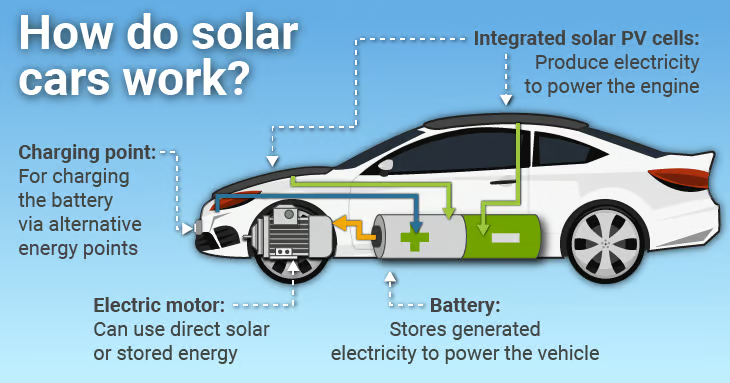
As part of a research group led by Professor Gianfranco Rizzo at the University of Salerno, a groundbreaking idea and tool has emerged to transform a conventional car into a solar-hybrid vehicle. This innovative kit is designed to convert an existing auto into a eco-friendly vehicle that combines the benefits of hybrid technology with the power of renewable energy from the sun.
What Does it Mean to Convert a Conventional Car into a Solar-Hybrid Vehicle?
The HysolarKit system allows for the conversion of a conventional car into a solar-hybrid vehicle at a fraction of the cost of purchasing a new eco-friendly hybrid or electric vehicle. By integrating solar panels, batteries, and electric motors, this kit enables cars to run on renewable energy, reducing emissions and saving money.
How Does the HysolarKit System Work?
The system works by installing solar panels on the roof and hood of the car, which charge a lithium-ion battery. The battery powers an electric motor that assists the conventional engine, allowing for improved fuel efficiency and reduced emissions. Additionally, regenerative braking captures energy from deceleration and converts it into electricity to recharge the battery.
The Benefits of Solar-Hybrid Vehicles
Solar-hybrid vehicles like those enabled by HySolarKit offer numerous benefits, including:
- Improved fuel efficiency: Solar-hybrid vehicles can achieve up to 30% better fuel economy than conventional cars.
- Reduced emissions: By running on renewable energy, solar-hybrid vehicles produce zero tailpipe emissions, reducing air pollution and greenhouse gas emissions.
- Increased energy independence: Solar-hybrid vehicles allow drivers to generate their own electricity, reducing reliance on fossil fuels.
- Lower operating costs: Solar-hybrid vehicles can save drivers money on fuel costs, as well as reduce maintenance costs associated with conventional engines.
Case Study: Converting a Fiat Punto into a Solar-Hybrid Vehicle
The first prototype of the HysolarKit system was successfully tested on a Fiat Punto. With no reported issues, the project progressed to the next phase, and the system was even nominated for the European Union’s Horizon 2020 (Sme Instrument) program.
Partnering with Industry Leaders
HySolarKit has partnered with several industry leaders to further develop the system:
- Landi Renzo: A leading manufacturer of fuel cell systems for vehicles.
- Gpl: A company specializing in solar panel technology and energy storage solutions.
- Mecaprom (mechanical and electronics company): Providing expertise in mechanical engineering and electronic components.
- Solbian (specializing in flexible solar panels): Designing and manufacturing flexible solar panels for integration into the HysolarKit system.
The Future of Solar-Hybrid Vehicles
As technology continues to advance, solar-hybrid vehicles are becoming increasingly viable options for environmentally conscious consumers. With HySolarKit at the forefront, the future of sustainable transportation is looking brighter than ever.
Frequently Asked Questions
Q: How much does it cost to convert a conventional car into a solar-hybrid vehicle?
A: The estimated cost of the HysolarKit system is around €3,000, which includes installation costs and any necessary upgrades to the vehicle’s electrical system.
Q: Is HySolarKit suitable for all types of vehicles?
A: Yes, HySolarKit can be installed on most cars with two rear wheels and front-wheel drive, including compact cars, sedans, and SUVs.
Q: What are the potential environmental benefits of solar-hybrid vehicles?
A: Solar-hybrid vehicles like those enabled by HySolarKit can reduce emissions by up to 20-25%, making them an attractive option for environmentally conscious drivers.
Q: Can I use a solar-hybrid vehicle in urban areas?
A: Yes, many cities have designated low-emission zones (LEZs) where solar-hybrid vehicles are allowed. In addition, the reduced emissions and improved fuel efficiency of solar-hybrid vehicles make them well-suited for urban driving.
Q: How long does it take to recharge the battery in a solar-hybrid vehicle?
A: The time required to recharge the battery depends on various factors, including sunlight availability, driving habits, and the size of the solar panel array. In general, a solar-hybrid vehicle can achieve full charge in about 2-4 hours of direct sunlight.
Q: Can I customize my solar-hybrid vehicle with additional components?
A: Yes, customers can choose from various options to enhance their vehicle’s performance, including larger solar panels, upgraded batteries, and advanced energy management systems.
Conclusion
HySolarKit has revolutionized the way we think about sustainable transportation. By converting conventional cars into solar-hybrid vehicles, this technology offers a viable solution for reducing emissions and promoting energy independence. As research and development continue, we can expect to see even more innovative solutions emerge in the field of renewable energy.
FAQs
Q: What is HySolarKit?
A: HySolarKit is a system that converts conventional cars into solar-hybrid vehicles.
Q: Where was HySolarKit developed?
A: HySolarKit was developed at the University of Salerno, under the leadership of Professor Gianfranco Rizzo and his research team.
Q: Is HySolarKit certified by any reputable organizations?
A: Yes, HySolarKit has been nominated for the European Union’s Horizon 2020 (Sme Instrument) program and is being researched by several universities and industry partners.


